


 Azərbaycanca
  По-русски
  English
 About us
Germany-Azerbaijan: Humanitarian Ties and Historical Traditions - LONGREAD
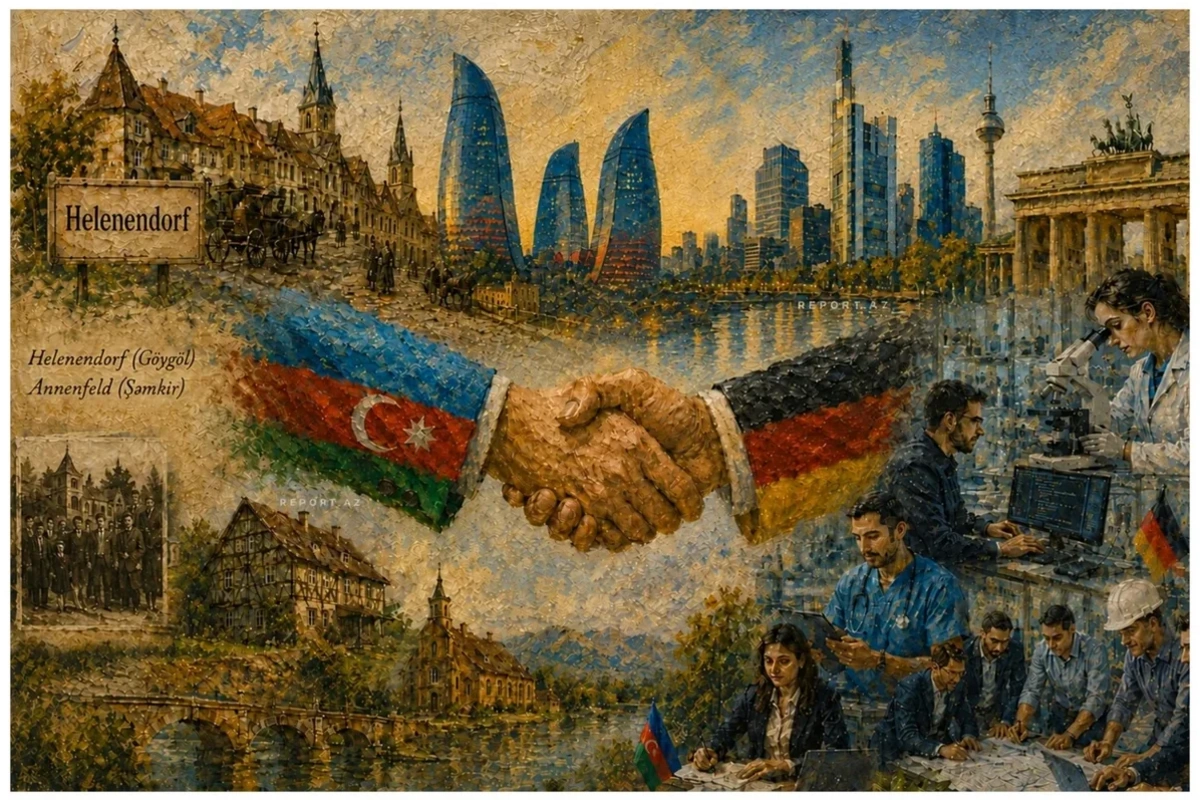
Relations between Azerbaijan and Germany have been developing in various directions in recent years, acquiring new substance and broader strategic dimensions.
At the same time, relations between the countries were not formed just in the last few years but have a centuries-old foundation. The historical and humanitarian ties formed since the 19th century, and the German heritage carefully preserved in Azerbaijan, have become the foundation for the formation of special bonds between the two peoples. Today, cooperation between Azerbaijan and Germany attracts attention as a model of long-term partnership based on political and economic interests and shared historical memory.
Following the traces of shared history
German families who resettled in the South Caucasus in the early 19th century played a very important role in the socio-economic life of Azerbaijan. As a result of the resettlement policy of the Russian Empire, these families settled mainly in the territories of present-day Goygol, Shamkir, Tovuz, and Agstafa districts, founding new settlements.
The creation of the first German settlement – Helenendorf (now the city of Goygol), founded 7-8 kilometers from Ganja in the village of Khanarkhllar, gave impetus to the rapid development of viticulture, winemaking, and various branches of agriculture in the region. The Germans who resettled here brought with them European economic traditions, new technologies, and work culture, making an enormous contribution to the revitalization of the local economy. In subsequent years, the emergence of new settlements such as Annenfeld in the territory of the present-day Shamkir district (35 km northwest of Ganja), Georgsfeld in the settlement of Chinarli, Eigenfeld in the village of Irmashli, Traubenfeld in the Tovuz district, Elizavetinka in the city of Agstafa, Grünfeld in the settlement of Vurgun, and Alekseyevka in the village of Hasansu, contributed to even greater revitalization in the region.
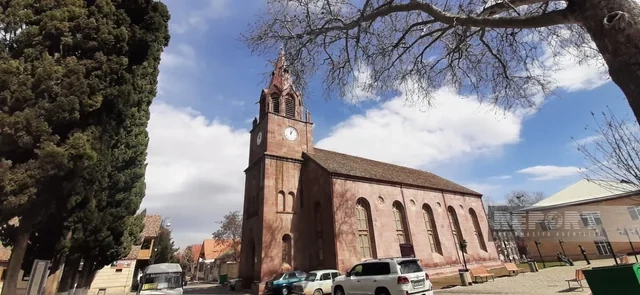
St. John's Church – the first Lutheran church in Azerbaijan
Germans living in Azerbaijan spoke the Swabian and Alemannic dialects of the German language. Swabians are one of the German ethnic groups who settled in the historical regions of Germany – Württemberg and Swabia. Over their 123 years of living in Azerbaijan, a significant number of words from Russian and Azerbaijani languages entered their vocabulary.
During this period, Germans built factories, plants, schools, pharmacies, medical stations, theaters, hotels, libraries, and churches in the region, and also laid telephone lines. The German company Siemens & Halske built a hydroelectric power station, laid railways, and constructed an oil pipeline.
According
Similar News

Ilham Aliyev sent a letter to Charles III
President of the Republic of Azerbaijan Ilham Aliyev sent a congratulatory letter to the King of the United Kingdom of Great Britain and Northern Ireland Charle...