

 Azərbaycanca
  По-русски
  English
 About us
The environmental consequences of the declining Caspian Sea level discussed in Bonn with the participation of Leyla Aliyeva
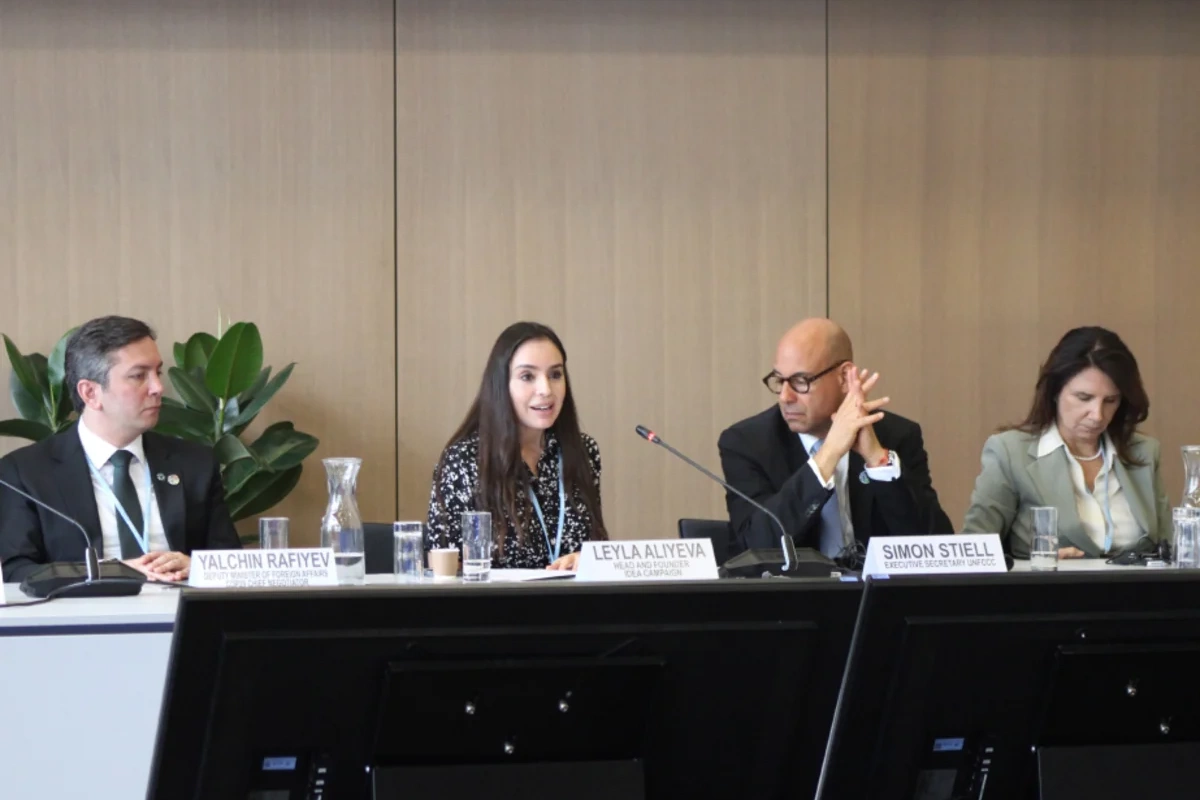
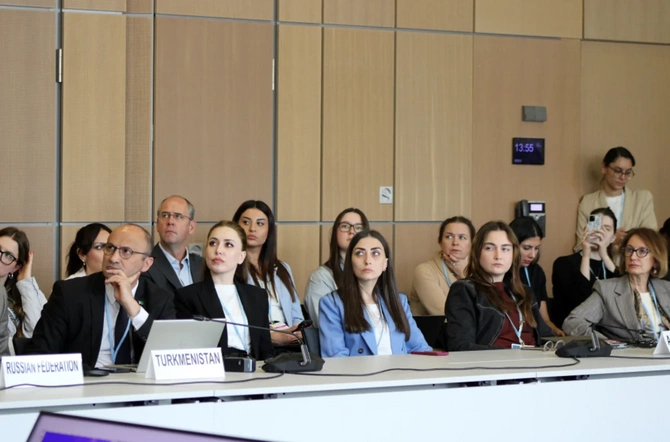
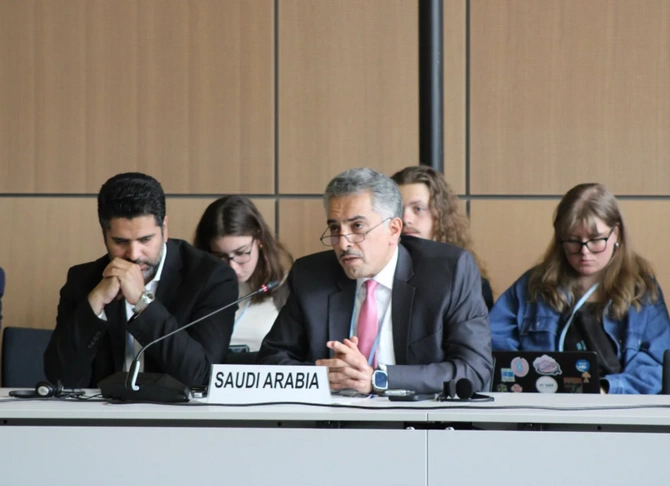
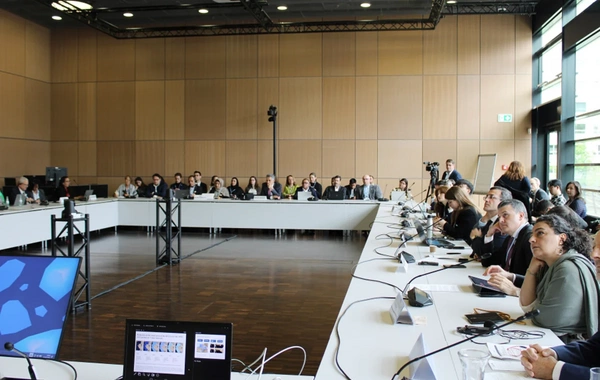
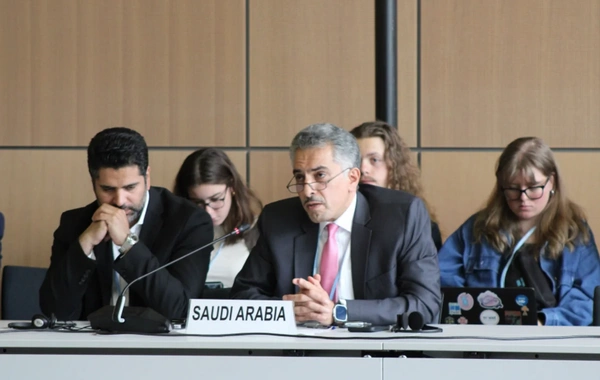
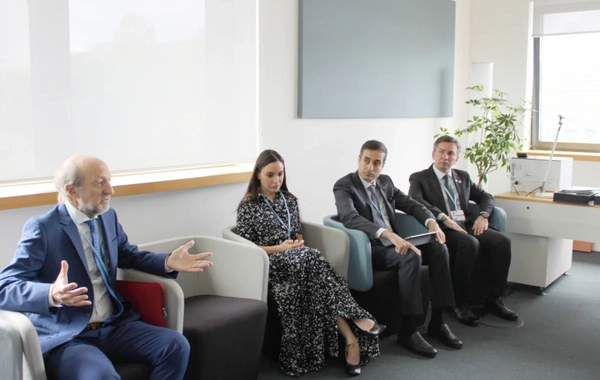
At the initiative of Leyla Aliyeva, high-level panel discussions on the topic "Declining Sea Levels, Retreating Coastlines, Resilience and the Future of Enclosed Water Bodies: The Case of the Caspian Sea" were organized in the German city of Bonn.
As reported by BAKU.WS, the event took place from June 8 to 16 within the framework of the UN June Climate Meetings (SB64).
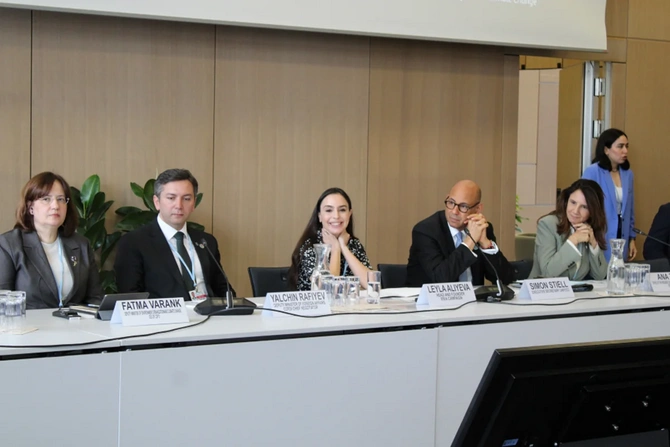
Speaking at the opening of the event, organized in partnership with the IDEA Public Association, the United Nations Environment Programme (UNEP), the COP29 Presidency of Azerbaijan, and the United Nations Framework Convention on Climate Change (UNFCCC), L. Aliyeva noted that seas, rivers, and lakes are currently among the most vulnerable ecosystems on our planet. Leyla Aliyeva addressed such issues as the observed decline in the Caspian Sea level, the decreasing population of Caspian seals and other living creatures, and emphasized the importance of applying an approach based on knowledge, experience, and sustainable responsibility when addressing such challenges. Initiatives implemented by the IDEA Public Association were mentioned, such as water body cleanup campaigns, fish fry releases, and the Bir Damcı ("One Drop") project, and it was stated that such steps serve to foster a responsible attitude toward water as a source of life and sustainability.
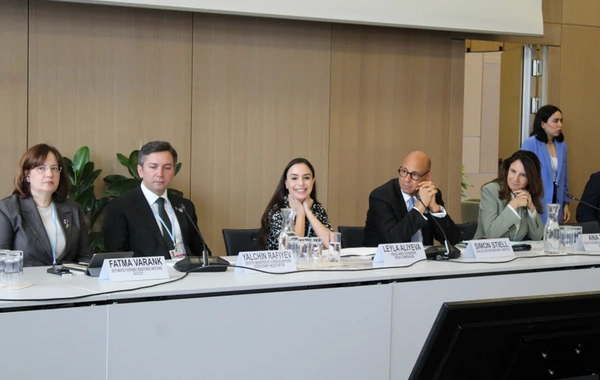
Executive Secretary of the United Nations Framework Convention on Climate Change (UNFCCC) Simon Stiell, Chief Executive Officer of COP31, Deputy Minister of Environment, Urbanization and Climate Change of Turkey Fatma Varank, and Chief Executive Officer of COP30 Ana Toni, speaking at the official part of the event, emphasized the importance of keeping the challenges related to the declining Caspian Sea level and ecological sustainability of enclosed water bodies at the center of the global climate agenda.
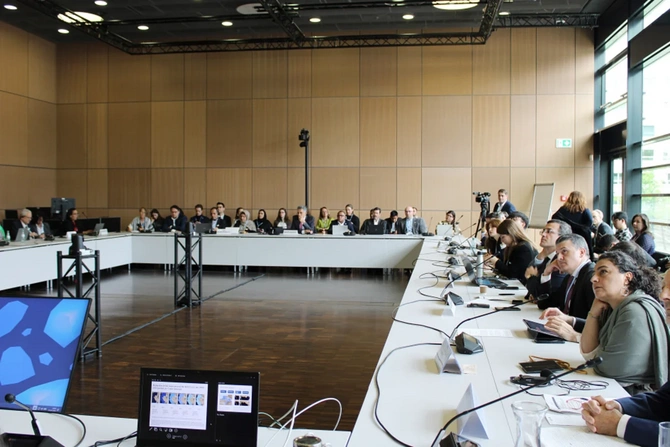
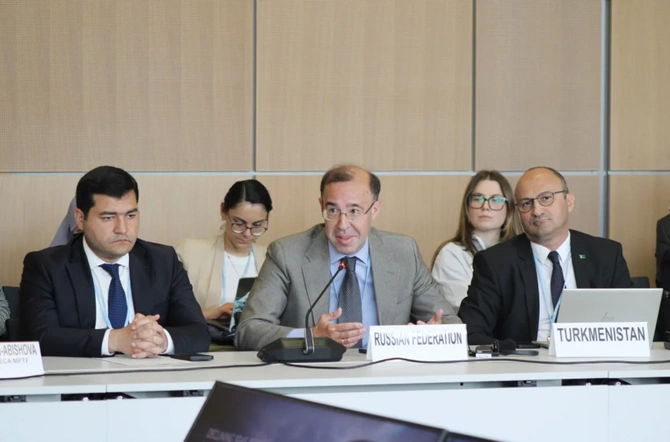
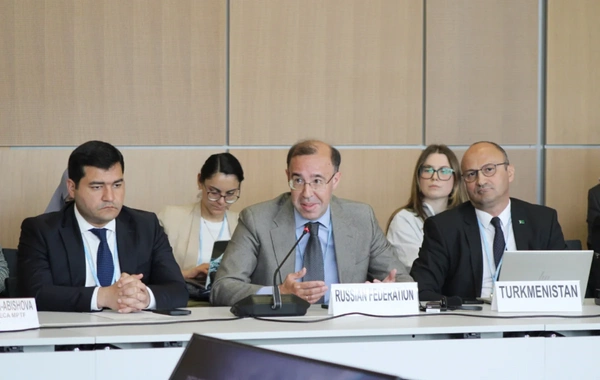
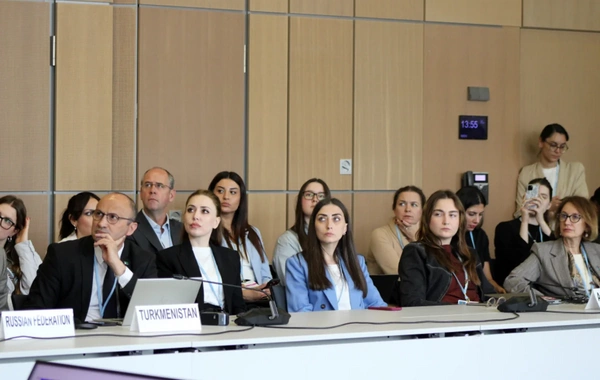
The discussions then continued in a panel session format. Deputy Minister of Foreign Affairs of the Republic of Azerbaijan Yalchin Rafiyev, Director of the Climate Change Division of UNEP Martin Krause, founder and Executive Director of the Great Whale Conservancy Michael Fishbach, expert of the IDEA Public Association Elnur Safarov, researcher at the Caspian Sea Research Institute (Kazakhstan) and the University of Oulu (Finland) Aziza Baubekova, and Head of the SPECA MPTF Fund of the United Nations Economic Commission for Europe (UNECE) Kamala Huseynli exchanged views on the environmental, scientific, and socio-economic consequences of the declining water level in the Caspian Sea. Panel discussion participants noted that such events serve as an important platform in terms of sharing scientific knowledge and experience, as well as creating new partnership opportunities.
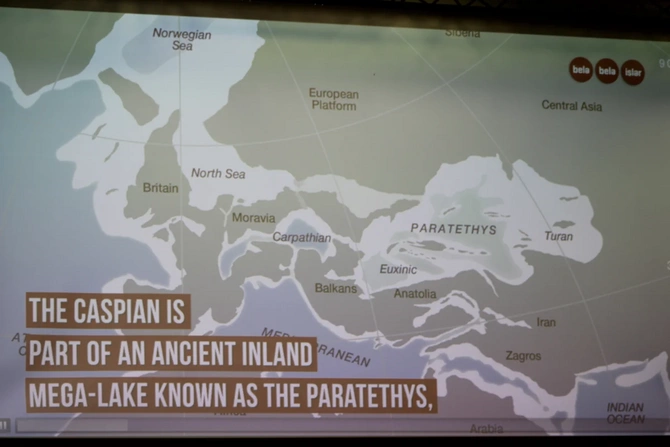
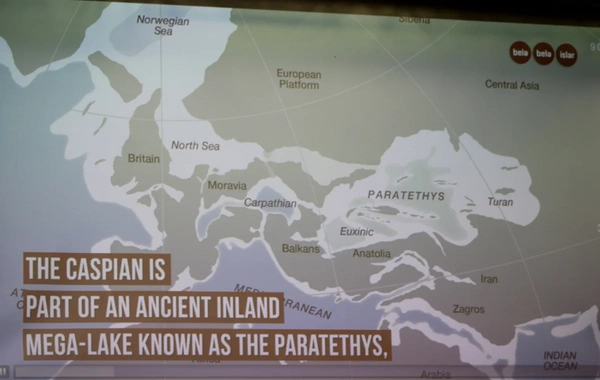
A short documentary film dedicated to the environmental problems of the Caspian Sea was also screened as part of the event. The panel discussions concluded with an interactive question-and-answer session.
Gallery
Similar News
Leyla Aliyeva held a meeting with the Executive Secretary of the UNFCCC
On June 15, Leyla Aliyeva held a meeting in the German city of Bonn with the Executive Secretary of the United Nations Framework Convention on Climate Change (U...