


 Azərbaycanca
  По-русски
  English
 About us
The secret of sloths' slowness has been revealed
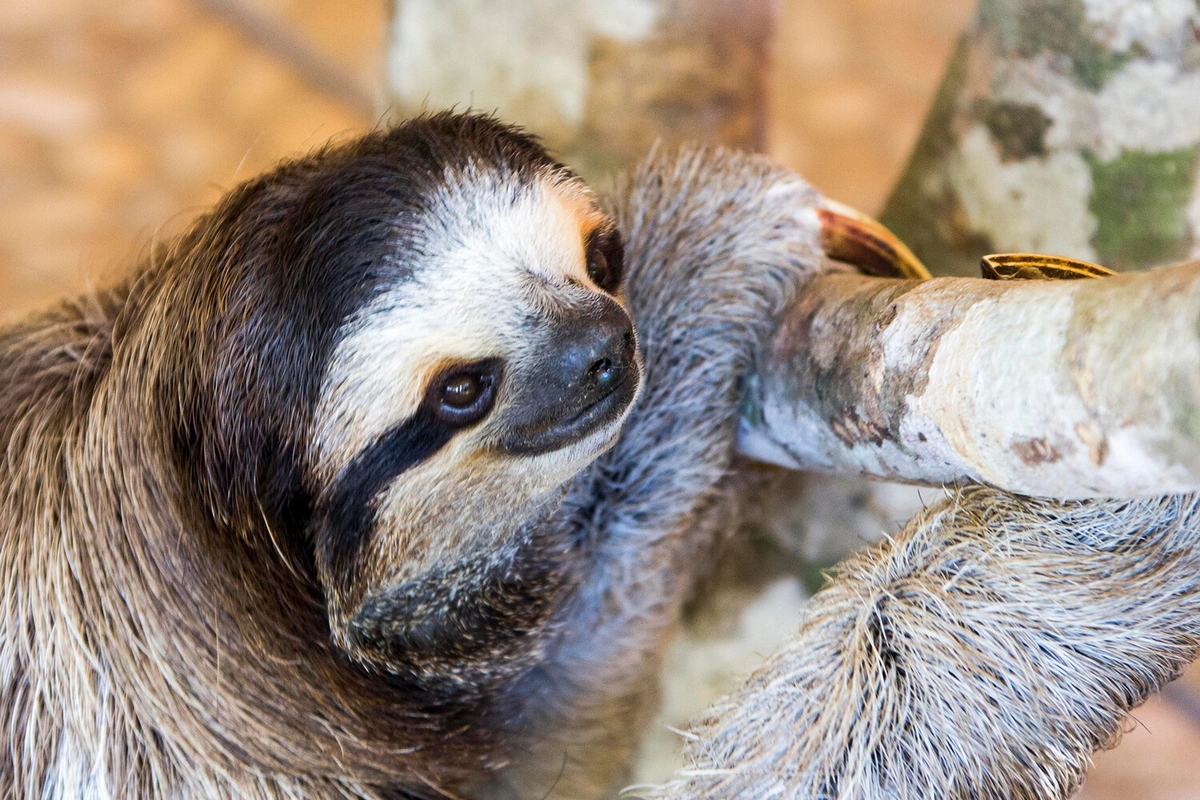
Unique "jumping genes" in sloth DNA help the animals conserve energy at the cellular level, which explains their slow metabolism and lifestyle. This is the conclusion reached by scientists from the Wellcome Sanger Institute. The results of the study have been published in the journal BMC Biology.
Sloths are known as the slowest mammals on the planet. Their metabolic rate is often less than half of what would be expected for animals of their size. Thanks to this, they can expend minimal energy, hang motionlessly from trees for hours, and subsist on low-calorie food.
To determine how this trait arose, an international team of scientists sequenced the genomes of the two-toed sloth and the southern tamandua — its closest relative. The analysis revealed that sloths have retained special transposons, or so-called "jumping genes" — segments of DNA capable of moving throughout the genome and influencing the function of other genes.
According to the researchers' estimates, these genetic elements appeared in the common ancestor of modern sloths approximately 30 million years ago. Many of them were found to be associated with mitochondria — cellular structures responsible for energy production — as well as with metabolic processes.
The authors believe that these changes may have played a crucial role in shaping the unique energy regime of sloths. Over millions of years of evolution, the animals may have developed distinctive genetic mechanisms that allow them to function effectively even at extremely low metabolic rates.
The scientists note that the discovery may have significance beyond the study of animal evolution. Mitochondrial dysfunction is linked to many human diseases, including diabetes, neurodegenerative diseases, age-related disorders, and muscle atrophy.
According to the authors, sloths could serve as a natural model for studying how cells cope with energy deficiency. In the future, these findings could aid research into aging, metabolic diseases, regenerative medicine, and even long-duration space missions.

Similar News

A way to assess health status by stomach rumbling has been found
Researchers at University College London have developed a noninvasive method for assessing gastrointestinal interoception — a person's ability to perceive inter...