


 Azərbaycanca
  По-русски
  English
 About us
The endocrinologist explained the benefits of melon and who should avoid it
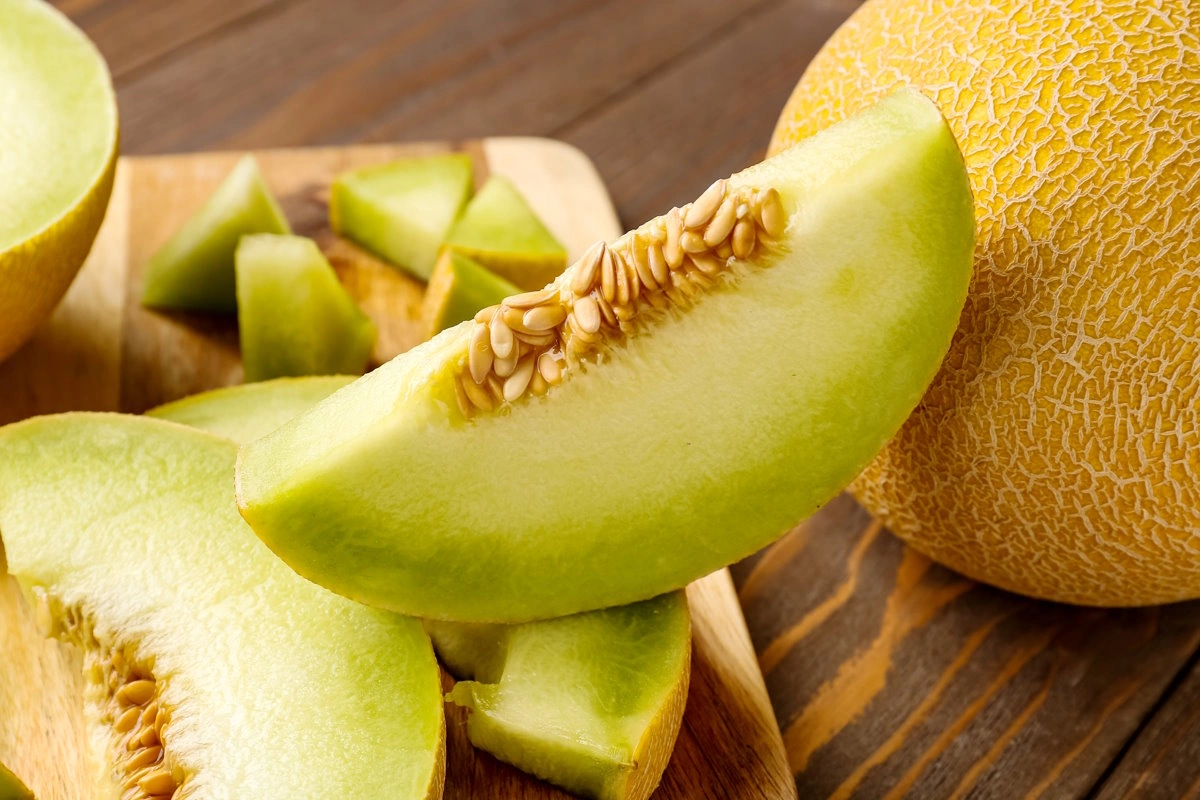
Melon is considered not only a delicious seasonal fruit but also a source of vitamins, minerals, and antioxidants. At the same time, experts note that it should not be regarded as a "superfood" or a means of disease prevention.
As reported by BAKU.WS with reference to Russian media, endocrinologist Margarita Belousova explained that melon contains vitamins A, C, E, K, B-group vitamins, as well as potassium, magnesium, calcium, phosphorus, selenium, and other beneficial substances. Thanks to this composition, it can become part of a balanced diet; however, on its own, it does not produce a pronounced therapeutic effect.
According to the specialist, melon can be included in the diet of people with diabetes, provided that portion size and total carbohydrate intake are monitored. For weight loss, the fruit is also acceptable on the menu as a lower-calorie alternative to sweet desserts; however, it does not accelerate the weight loss process.
For gastrointestinal diseases, there is no strict prohibition on consuming melon. The doctor notes that it all depends on individual tolerance: in some people, large portions may cause bloating or discomfort.
The expert recommends that adults eat approximately 150–300 grams of melon at one time. People with allergies to melons or pollen from certain plants should exercise caution due to the risk of cross-allergic reactions.
In addition, after cutting, the fruit must be stored only in the refrigerator, since at room temperature bacteria multiply rapidly in the flesh, increasing the likelihood of food poisoning. The doctor also emphasized that widespread claims about melon being incompatible with milk, honey, or other products have no scientific confirmation.

Similar News
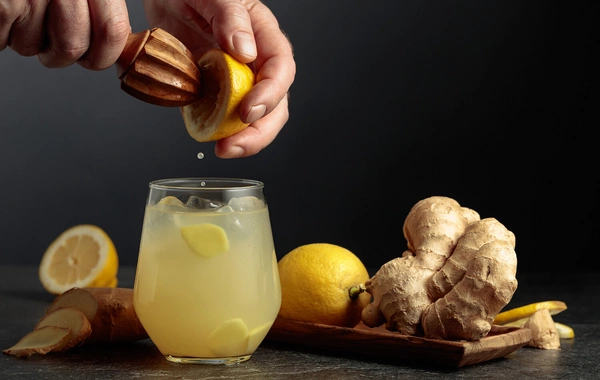
A tea that helps lose weight has been named
Ginger tea enhances thermogenesis, meaning it helps the body expend more energy even at rest, which promotes weight loss, gastroenterologist Evgeny Belousov fro...