

 Azərbaycanca
  По-русски
  English
 About us
Scientists have discovered how the aging brain "poisons" itself
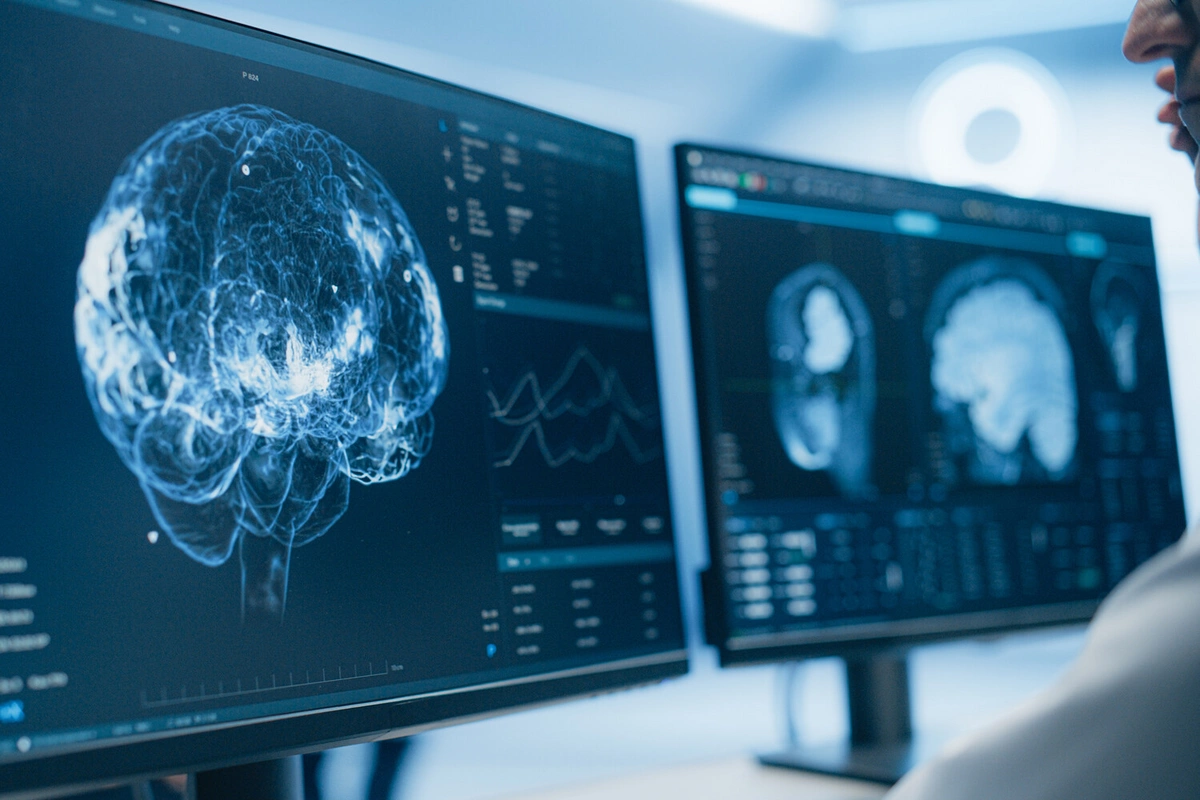
With age, the chemical balance in brain cells becomes disrupted, causing proteins to lose their normal structure and form toxic clusters. An international team of scientists has established that it is precisely this shift in balance that may contribute to aging and damage to nerve cells. The results have been published in the journal Nature Structural & Molecular Biology (NSMB).
The researchers studied two opposing protein modifications — sulfenylation and persulfidation. The first is associated with oxidation and becomes more pronounced with age, causing proteins to more easily transition from their normal liquid state into dense aggregates.
Persulfidation, on the contrary, helps keep proteins soluble and functional. This process is regulated by hydrogen sulfide, which is produced inside cells. The study showed that the balance between the two modifications affects the behavior of synapsin 1 and G3BP2 — proteins involved in neuronal function and the cellular stress response.
"When hydrogen sulfide production was disrupted, proteins transitioned into an abnormal state. In the experimental mice, this was accompanied by a reduction in lifespan and the appearance of signs resembling neurodegenerative changes," the researchers reported.
Of particular interest to the scientists was the finding that increasing hydrogen sulfide levels was able to partially reverse pathological changes in cells. The researchers note the potential role of compounds capable of maintaining its levels, particularly ergothioneine. However, these are still only experimental results, and it is premature to speak of treating age-related brain diseases in humans.
For further study of the process, the team created an interactive atlas of age-related protein changes and associated molecular pathways.


Similar News

Scientists warned about the danger of the habit of taking screenshots on a smartphone
The habit of taking screenshots on a smartphone worsens the memorization of what is depicted in them—and provides no benefit in return. Psychologists have calle...