


 Azərbaycanca
  По-русски
  English
 About us
By 2100, more than 40% of Earth's land area could turn into arid lands
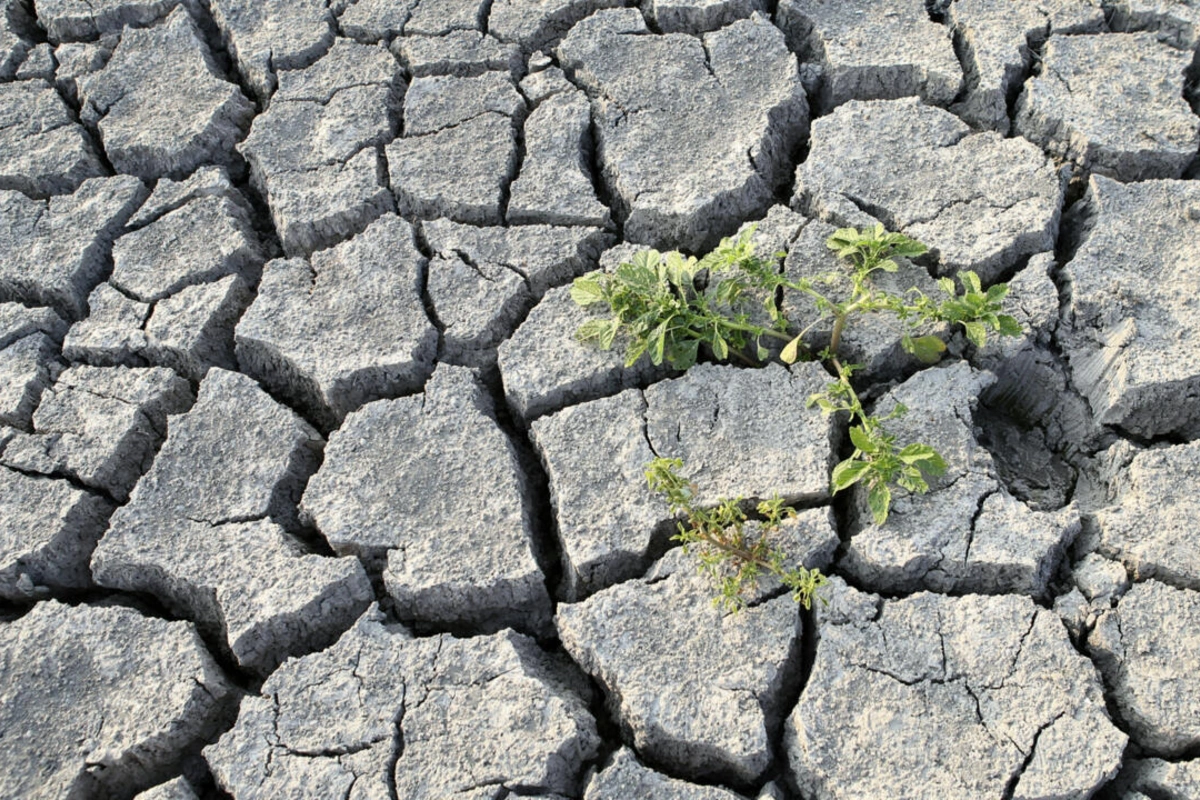
Scientists have warned that by the end of the 21st century, arid lands could occupy more than 40% of the planet's entire land surface, although rising carbon dioxide concentrations may partially slow this process.
The study was published in the journal Environmental Research Letters (ERL).
Arid lands are territories where evaporation far exceeds precipitation; they include deserts, semi-deserts, and dry steppes. Life in these areas is particularly vulnerable to droughts and soil degradation, and the expansion of such zones threatens agriculture and water supply for billions of people.
Scientists from the Chinese Academy of Forestry analyzed climate data from 1994 to 2023 and developed a forecast for the period 2071-2100. Currently, arid lands cover approximately 38.58% of land area (excluding Antarctica); according to the projections, by the end of the century their share will increase to 39.31-40.28%.
In absolute terms, this means an addition of approximately 2.37 million square kilometers — an area the size of Algeria. Australia will be the most affected, where the expansion of arid zones will be the most pronounced.
Notably, the new forecast turned out to be milder than previous ones: earlier, scientists suggested that arid lands could encompass up to 56% of land area. The difference is due to the fact that the authors accounted for the effect of rising CO2 levels, which enhances plant growth and their ability to use water more efficiently, partially curbing desertification.
Nevertheless, the overall trend is alarming: the climate is becoming drier, and this, according to the scientists, will require preparing soil and water resource protection measures in advance. The expansion of arid lands primarily impacts agriculture: areas suitable for farming shrink, crop yields decline, and pressure on water sources increases. Regions where dry zones already border populated and agricultural territories are especially vulnerable. The authors note that the effect of rising CO2 is not unlimited: as plants become saturated with carbon dioxide, its restraining influence will weaken, while warming will continue to dry out the land.


Similar News

A protein has been found that causes fatty food to harm the brain
Fatty food harms more than just the figure: in mice, it reduces levels of the protein PQBP1 in the brain cortex, disrupting connections between neurons and impa...