

 Azərbaycanca
  По-русски
  English
 About us
Products named that cause silent stroke

Healthy adults who eat a lot of ultra-processed food — chips, sugary cereals, soda, instant noodles, and ready-made frozen meals — more often show signs of brain damage that can increase the risk of stroke and memory problems in the future. The study was published in the scientific journal JAMA Network Open.
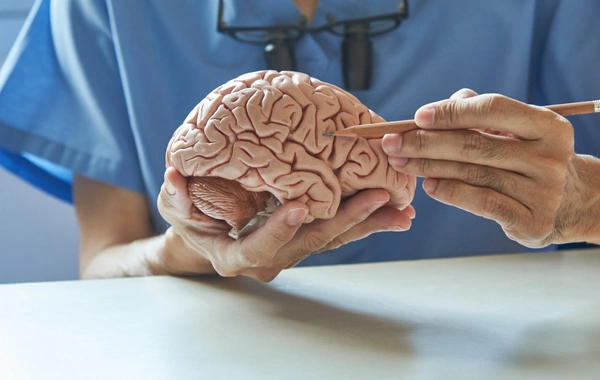
Researchers from McMaster University in Canada scanned the brains of nearly 9,000 people aged 35 to 69 using MRI and found tiny areas of damage more frequently in those who ate the most ultra-processed food compared to those who ate the least.
Among participants with the highest consumption, such changes were 40% more common. They do not cause obvious symptoms but are considered early warning signs that can appear years before a stroke or memory problems.
"Honestly, I didn't expect this result. We were studying middle-aged Canadians who had no heart problems or other health complaints. This type of damage is usually associated with conditions we hear about and treat at a much older age," noted the study's first author, Russell J. de Souza from McMaster University's Population Health Research Institute.
Participants who ate the most ultra-processed food also had more body fat and more deep abdominal fat. This type of abdominal fat is linked to inflammation and vascular damage that can reach the brain.
The link between ultra-processed food and brain damage was stronger in women: in the group with the highest consumption, signs of damage were found nearly twice as often as in the group with the lowest.
Ultra-processed food made up on average about 25% of participants' daily servings. Among the heaviest consumers, this share reached 45% of everything on the plate, compared to 16% for those who ate the least of it.
The researchers found that as consumption of ultra-processed food increased, consumption of healthy food decreased. Fruits, vegetables, grains, and other minimally processed foods made up 41% of daily servings among participants with the highest ultra-processed food consumption, compared to 68% among those who ate the least of it.
"People who ate more ultra-processed foods weren't just eating more on top of their usual diet. This food appeared to be displacing healthier whole foods," de Souza added.

Similar News

Scientists discovered why some people's brains age faster
In people with faster cognitive decline, the brain contains more oligodendrocytes — cells that form the myelin sheath of nerve fibers. At the same time, the pro...