

 Azərbaycanca
  По-русски
  English
 About us
A dangerous parasite for humans has been found in domestic cats
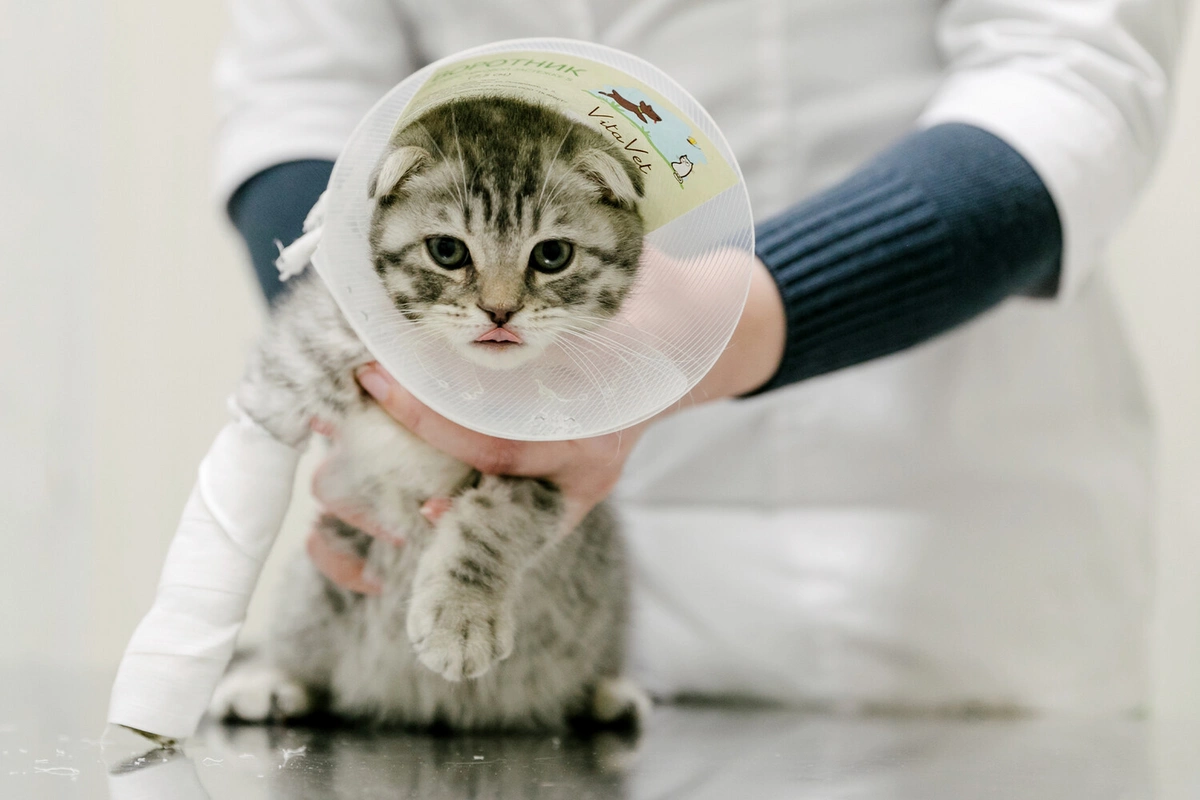
A new study has shown that domestic cats can carry the intestinal parasite Giardia duodenalis, which is capable of infecting humans as well. The results were published in the scientific journal PLOS One.
Researchers from Antech Diagnostics and Mars Petcare Science & Diagnostics analyzed test data from more than 157,600 domestic cats in the United States and Canada from March 2022 through August 2023.
It turned out that 6.3% of cats tested positive for Giardia duodenalis. Among those infected, 18.5% carried assemblages A or B — genetic variants that can infect both humans and animals. The remaining majority consisted of strains associated primarily with cats, particularly assemblage F, which is generally not dangerous to humans.
Giardia duodenalis, or giardia, is a microscopic parasite that commonly lives in the intestines of humans and animals. In most cases, it coexists with its host without harm, and infected pets and people show no symptoms. But when the parasite becomes pathogenic, it can cause diarrhea, digestive problems, or weight loss.
The parasite spreads worldwide through contaminated water, food, surfaces, and objects, as well as directly from person to person. In the United States, it is found in 1.4% of people. Among animals, reported infection rates range from 3.7% to 100% in cattle, from 1.1% to 56.8% in dogs, and from 0.2% to 44.4% in cats.
In 2023, researchers proposed dividing Giardia into eight separate species, from A to H. Most have clear host preferences: C and D — dogs, E — hoofed animals, F — cats, G — rodents, H — pinnipeds. Assemblages A and B stand out from this pattern, infecting humans and a wide range of other mammals, making them the most important for public health.
Younger cats were infected more frequently: in kittens, the rate was 10.7% compared to 1.3% in senior cats. Among positive results in kittens, approximately one in five carried types A or B.
Geography and season also influenced infection rates. The lowest rates were in summer (4.6%), higher in winter (8.1%) and fall (7.7%).
The researchers note that people with domestic cats, especially in households with young children, elderly individuals, or immunocompromised family members, should have their pets' feces tested regularly. Knowing exactly which type of Giardia a cat carries will help veterinarians make more informed decisions about treatment and protecting the family's health.

Similar News

Probe found the source of mysterious magnetic switchbacks on the Sun
Researchers from University College London used the Solar Orbiter probe to discover how magnetic switchbacks — unusual structures in the flow of charged particl...