

 Azərbaycanca
  По-русски
  English
 About us
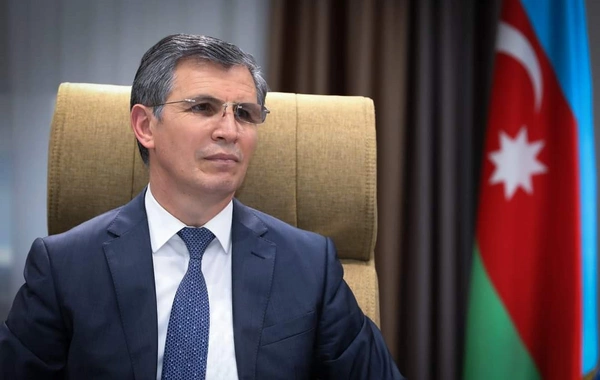
Zahid Orudj: Reforms in a number of structures are not yielding results, barriers have emerged in the health insurance system that even deputies cannot overcome
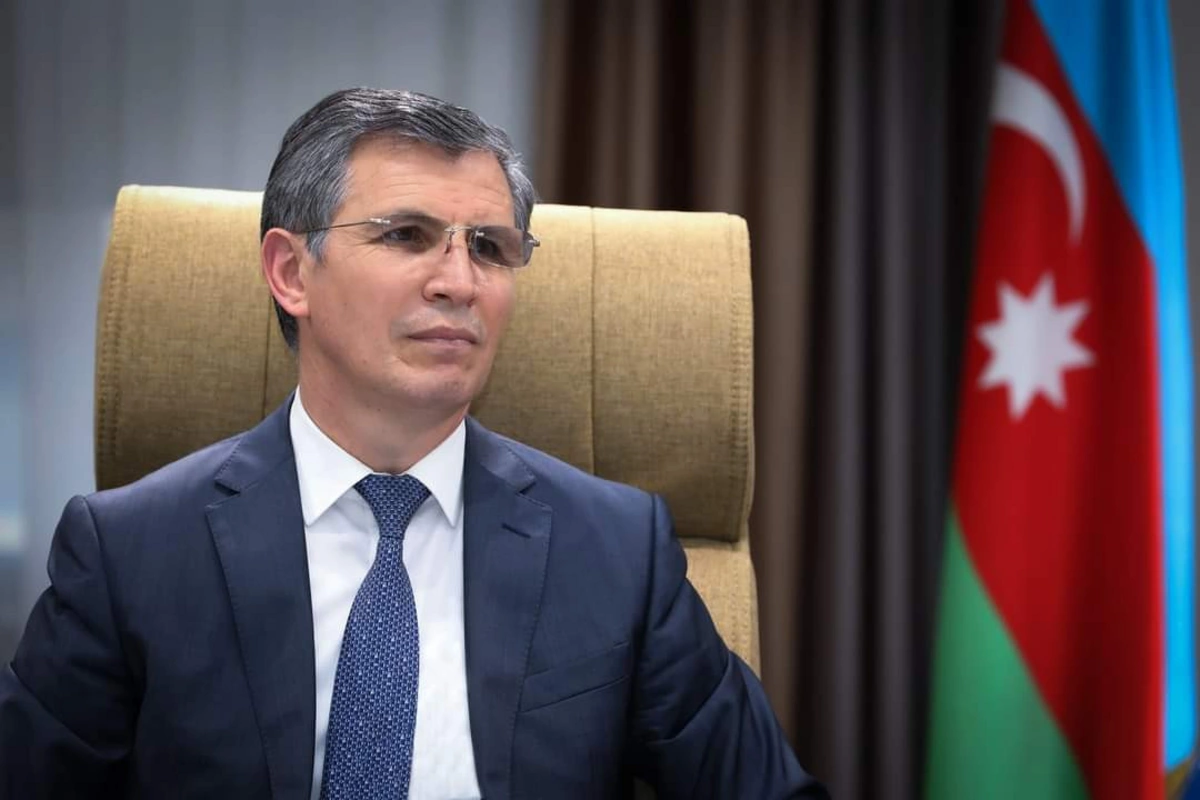
I believe that the reforms carried out in a number of structures, agencies, and committees are not yielding results.
As reported by BAKU.WS with reference to APA, this was stated today at a session of the Milli Majlis Committee on Human Rights by the committee chairman Zahid Oruj.
He noted that the number of employees of the Azerbaijan State Water Resources Agency for the Khatai district is 235 people: "This many employees remain after several reforms. Today, in the field of road lighting, one structure is responsible for the lamp, and another for the pole. Can a problem be solved this way?! It is necessary to create a flexible mechanism for hiring in state structures so that a citizen living in a remote village of the Imishli district can be hired openly and transparently."
Zahid Oruj also stated that structural and personnel changes affect the organization of services: "The rapid replacement of experienced employees makes it difficult to establish connections and coordination with structures. Punish and dismiss those whose specific actions involve violations of the law and crimes. But it takes time to find other people and for new employees to accumulate such extensive experience. Experience is not acquired in one day."
The committee chairman also stated that barriers have emerged in the mandatory health insurance system that even deputies cannot overcome: "The mandatory health insurance contribution for deputies is quite high. However, within the framework of mandatory health insurance, the number of referrals to private hospitals has been reduced to a maximum extent, and obstacles to receiving medical services have emerged that even deputies cannot overcome. This leads to a decrease in the revenues of private medical institutions, as well as to citizens once again turning to executive authorities and members of parliament. Citizens are first referred for treatment and operations to state hospitals, and only after receiving a refusal can they obtain a referral to private medical institutions. This procedure creates difficulties for individuals in need of urgent treatment or surgery."
Zahid Oruj also emphasized the importance of maintaining the population of border villages: "A significant part of Baku's population consists of people renting housing, especially those who have come from rural areas. This increases the burden on tunnels, transport interchanges, and the housing and labor markets in Baku. When the government gives priority to the capital in budget funding, it turns out that it is, in a sense, also funding internal migration. It is necessary to reduce electricity and gas tariffs in villages, provide mortgages in the regions, implement a zero-tax policy for processing enterprises, and increase payments to teachers and doctors. A citizen must feel the advantages and attractiveness of living in a village. If we close the post office, the medical facility, and if the school is also under threat of closure, then the very existence of the village is called into question. We need a program for returning to our emptying villages. People must live in these regions, produce environmentally clean products, and rural tourism must develop."

Similar News
Farid Shafiyev: Armenians seek to appropriate the history of Caucasian Albania
Armenians are seeking to Armenize the history of Caucasian Albania. As reported by BAKU.WS with reference to Oxu.Az, this was stated by the Chairman of the Boar...