

 Azərbaycanca
  По-русски
  English
 About us
The curse of mummies turned out to be a real biological threat to antiquities buyers
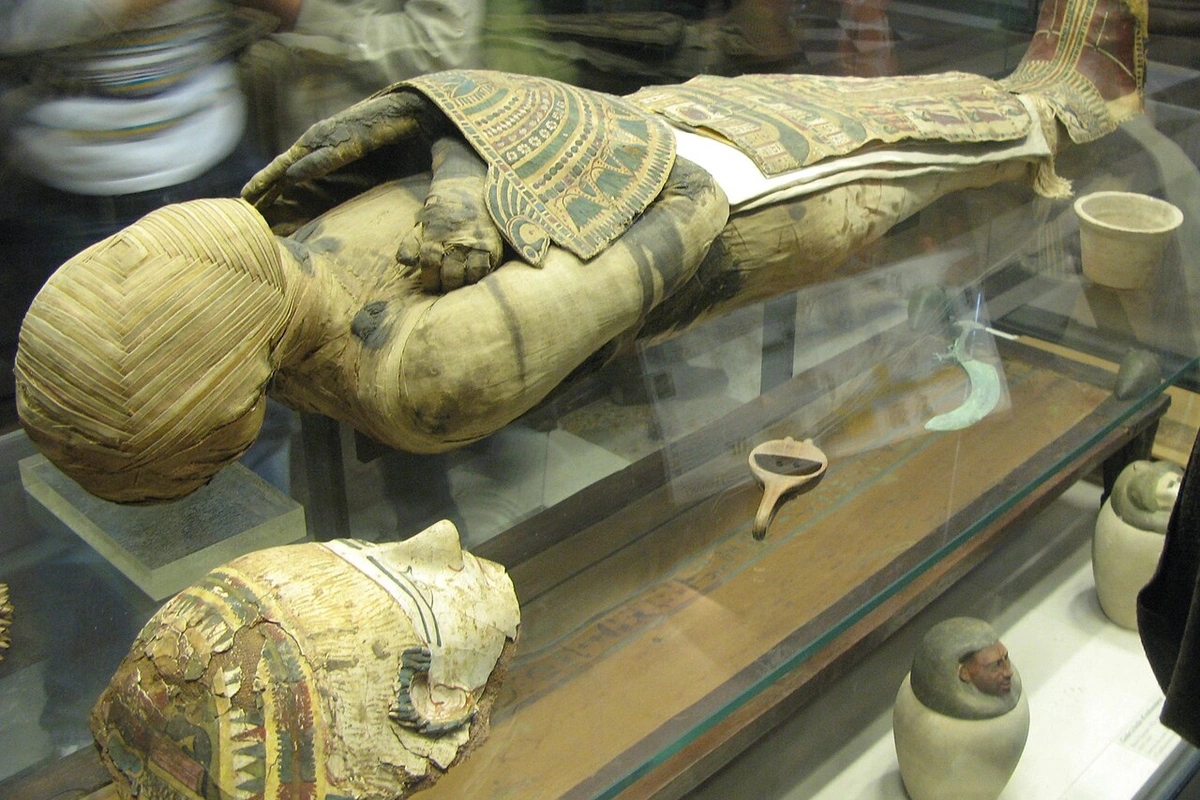
Bioarchaeologists have warned of a real health threat posed by the growing trade in mummified human remains on social media, marketplaces, and auction sites. The authors reached this conclusion after studying 128 listings and posts offering mummy fragments for sale. The article was published in the International Journal of Cultural Property, issued by Cambridge University.
Hands and feet were the most commonly listed items for sale, while heads and skulls with preserved soft tissue or hair accounted for 51.6% of the sample. The authors themselves described the study's findings as "grim": a significant proportion of the remains showed clear signs of deterioration, yet the listings contained no warnings or instructions for safe handling.
The threat comes both from the materials used by ancient embalmers and from the very nature of the remains. Tissues were often treated with arsenic, mercury, and lead — heavy metals that are dangerous upon unprotected contact. Additionally, microorganisms can survive in desiccated tissues for centuries: careless handling can send fungal spores airborne, where they are easily inhaled into the respiratory tract.
The legend of the "mummy's curse" grew out of a series of deaths that accompanied the opening of ancient tombs, but the authors emphasize that behind it lie entirely explainable biological and chemical hazards. For instance, of the 12 specialists who entered the tomb of Polish King Casimir IV in Krakow in the 1970s, 10 died — presumably from inhaling spores of the mold fungus Aspergillus. In 1923, shortly after the opening of Tutankhamun's tomb in the Valley of the Kings, Lord Carnarvon, who had financed the excavation, died; researchers also attribute his death to this fungus. It was his death that gave rise to the most famous myth about Egyptian curses, even though the excavation leader Howard Carter lived another 16 years after the event. Nevertheless, the trope of vengeful pharaohs became firmly embedded in popular culture.
The danger extends far beyond the circle of collectors: remains are shipped by mail, meaning handlers, drivers, logistics workers, and customs officers may come into contact with packages without knowing their contents and without any protective equipment. The researchers call for stricter regulations governing the handling of mummified materials — regulations that should protect not only buyers but everyone who may handle such shipments.


Similar News

The unexpected benefit of reading for pleasure has been revealed
Scientists from the University of Cambridge have found that reading for pleasure improves brain function and reduces the risk of developing dementia. In a revie...