

 Azərbaycanca
  По-русски
  English
 About us
Scientists discovered how substances from blueberries protect eyes
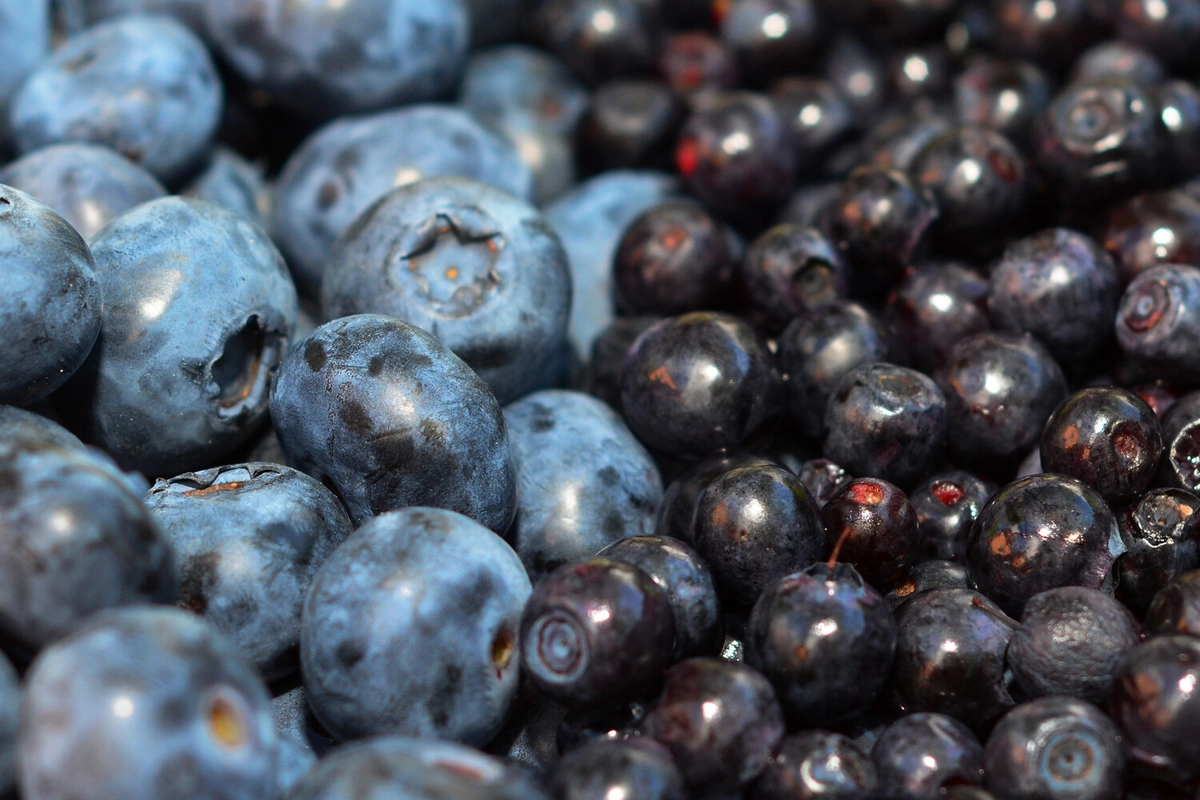
Scientists have found that anthocyanins in bilberries and blueberries not only protect eye cells from oxidative damage but also accelerate the restoration of the pigment that helps with night vision. A review by an international group of researchers has been published in the journal Food Bioscience.
Anthocyanins are natural plant pigments found in bilberries, blackberries, blackcurrants, red cabbage, and other red, blue, and purple vegetables and fruits. The authors analyzed the results of previous studies and concluded that these compounds can reduce the risk of a number of eye diseases through several mechanisms at once.
According to the scientists, anthocyanins possess pronounced antioxidant and anti-inflammatory properties. They help protect retinal cells from damage caused by reactive oxygen species, which play an important role in the development of chronic inflammation, diabetic retinopathy, and other eye diseases.
In addition, the researchers note that anthocyanins can improve microcirculation in the retina, support the function of photoreceptors, accelerate the regeneration of rhodopsin — a light-sensitive pigment necessary for the adaptation of vision to darkness — as well as protect retinal nerve cells.
According to the review authors, regular consumption of foods rich in anthocyanins may help prevent age-related eye diseases, including cataracts and age-related macular degeneration.
At the same time, the scientists emphasize that anthocyanins have a significant drawback — low bioavailability. Their absorption depends on the composition of the gut microbiota and dietary habits. Researchers are currently studying ways to increase the effectiveness of these substances, including through nanoencapsulation and combination with other plant compounds.

Similar News

Cardiologist debunked misconception about the benefits of chocolate
The belief that exclusively dark chocolate benefits the body while milk chocolate has no valuable properties lacks definitive scientific confirmation. Cardiolog...