


 Azərbaycanca
  По-русски
  English
 About us
A non-obvious way to reduce the risk of developing diabetes has been named
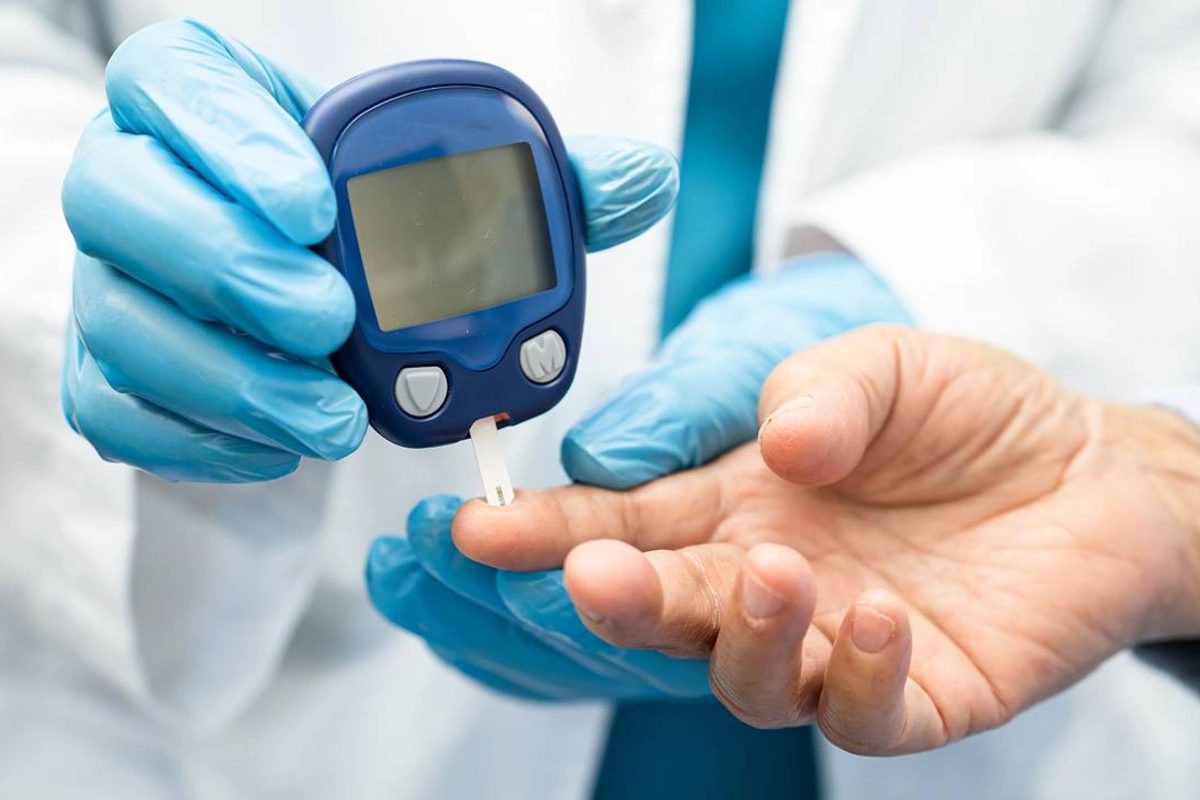
Living at high altitude may reduce the risk of developing diabetes — a conclusion previously reached by epidemiological studies. New research by American scientists has helped partially explain this phenomenon. As it turns out, red blood cells may play an important role in this process, as under conditions of oxygen deficiency they begin to actively absorb glucose from the blood. The results of the study were published in the scientific journal Cell Metabolism.
As reported by BAKU.WS with reference to Gazeta.ru, scientists found that when ascending to a significant altitude, the oxygen content in the air decreases noticeably. The body responds to this condition, known as hypoxia, with a series of physiological changes. In the course of new research, specialists established that one of these responses may be an unusual function of red blood cells.
Experiments were conducted on laboratory mice with type 1 and type 2 diabetes. The animals were placed in conditions with reduced oxygen levels, simulating the atmosphere of high-altitude regions. After some time, researchers recorded a decrease in blood sugar concentration in the test subjects.
In the initial stages of the work, scientists could not understand where exactly the glucose was disappearing to. Sugar injected into the mice almost instantly left the bloodstream, yet it did not accumulate in the traditional energy-consuming organs — muscle tissue, the liver, or the brain. Notably, the effect persisted for several weeks even after the animals were returned to normal oxygen levels.
Later, using additional analysis and visualization methods, specialists discovered that red blood cells were actively absorbing the glucose. Under hypoxic conditions, these cells increased their sugar consumption approximately threefold, effectively acting as a kind of "sponge" that absorbs glucose from the blood.
According to the American researchers, this mechanism is linked to the function of hemoglobin — the protein responsible for transporting oxygen throughout the body. A specific molecule alters the properties of hemoglobin, helping to deliver oxygen to tissues more efficiently. At the same time, glucose absorption is also enhanced, leading to a decrease in its concentration in the blood.
As part of the study, scientists also tested an experimental drug capable of mimicking the effect of being at high altitude. In mice with type 1 and type 2 diabetes, its use made it possible to reduce elevated blood sugar levels, effectively reversing the course of the disease.
So far, the results obtained have been confirmed only in animal models, so it is still too early to talk about applying the method in humans. Nevertheless, specialists believe that the discovery could serve as a foundation for developing fundamentally new approaches to treating diabetes.


Similar News

A protein has been found that causes fatty food to harm the brain
Fatty food harms more than just the figure: in mice, it reduces levels of the protein PQBP1 in the brain cortex, disrupting connections between neurons and impa...