

 Azərbaycanca
  По-русски
  English
 About us
Scientists shared unusual facts about the horse – the symbol of 2026
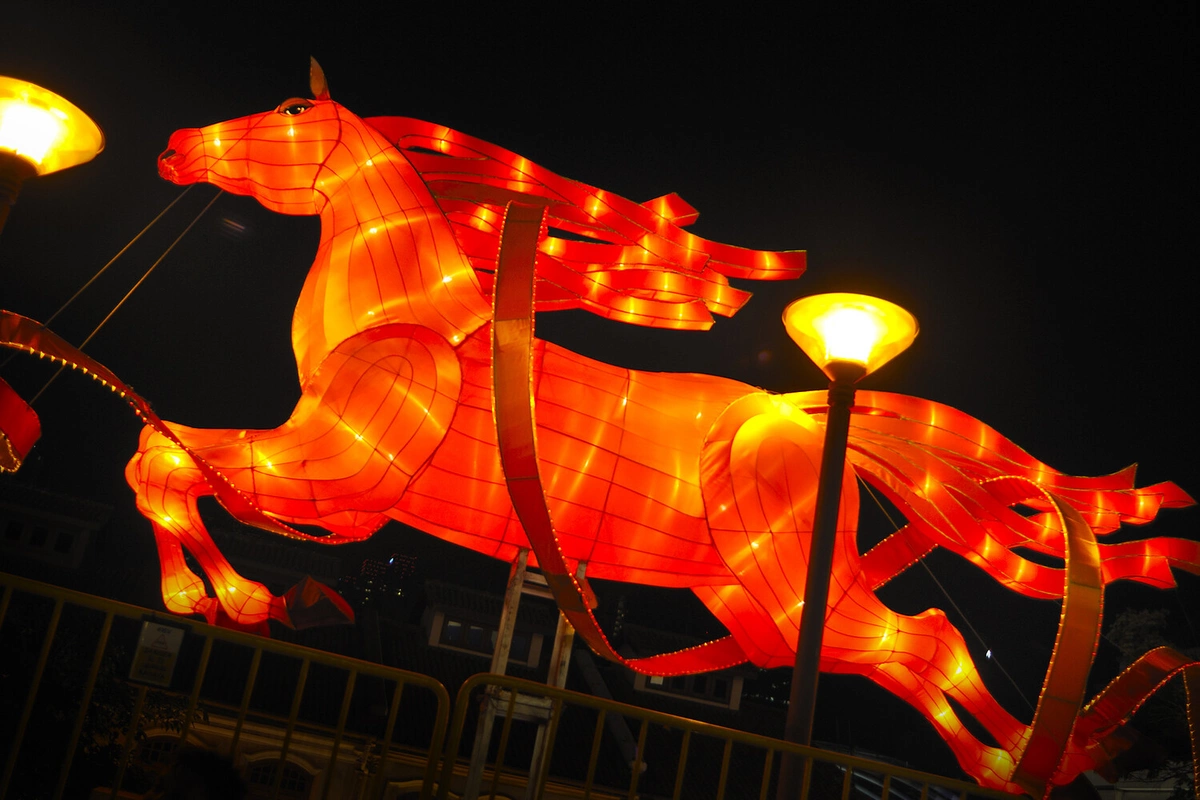
In just a few days, the New Year 2026 will arrive, with the Red Fire Horse becoming its symbol. This animal has accompanied humans for thousands of years - not only as a helper in farming and sports but also as an object of close scientific interest. Scientists from Perm Polytech University explained what makes the horse unique from the perspective of biology and medicine. "Gazeta.Ru" was informed about this by the educational institution's press service.
Modern horses descended from Hyracotherium - a small forest animal that lived about 50 million years ago. During evolution, body size, limb structure, and skeleton changed, allowing the animals to adapt to life in open steppes and develop high running speeds.
One of the key anatomical features of a horse is the hoof. It's not several fused toes, but essentially one highly developed third toe. Moreover, the hoof functions as a "second heart."
"When stepping on a leg, the elastic cushion in the hoof helps pump blood back up the limb, reducing the load on the heart by 30-40% and protecting the joints," explained PNIPU assistant Nikita Faustov.
Evolution has allowed horses to doze while standing thanks to a special joint fixation mechanism. However, for deep sleep, they still need to lie down. Another feature is the inability to breathe through the mouth. This was beneficial during prolonged galloping but makes animals vulnerable to nasal passage diseases in modern conditions.
Even a horse's "smile" has a scientific explanation. By raising the upper lip, the animal activates the Jacobson's organ - a pheromone analysis system that allows them to "read" chemical information about their fellow horses.
Horses have long been used in medicine as well. Therapeutic horseback riding, or hippotherapy, helps children with cerebral palsy, autism spectrum disorders, and other neurological conditions.
"The rhythmic movements of the horse stimulate the vestibular system and promote the formation of new neural connections," noted Valery Litvinov, candidate of medical sciences.
Kumis - a drink made from mare's milk - holds a special place. It is easier to digest and contains more vitamins and probiotics, but due to the presence of alcohol, it is contraindicated for children, pregnant women, and people with gastrointestinal diseases.
Horses also remain irreplaceable in the production of vital serums - antidotes for snake bites, tetanus, and diphtheria. Their immune system produces antibodies that are then used to save people. In the past, even horsehair was used in surgery as suture material - today it remains only a historical artifact.
Finally, the image of the horse is actively studied by psychologists. In psychoanalysis, it symbolizes strength, energy, and intuition, and in dreams may reflect experiences of freedom, limitations, or a person's inner resources.
Thus, the symbol of the year is not just a beautiful image, but an animal that, throughout millions of years of evolution and thousands of years alongside humans, continues to amaze science.
Similar News
Doctor named five mistakes leading to heart attacks during holidays
Alcohol, fatty and salty food, stress, lack of movement and untimely medication intake can cause heart attacks during holidays. This was reported by cardiologis...