

 Azərbaycanca
  По-русски
  English
 About us
Scientists have found out which fungus will survive a journey to Mars

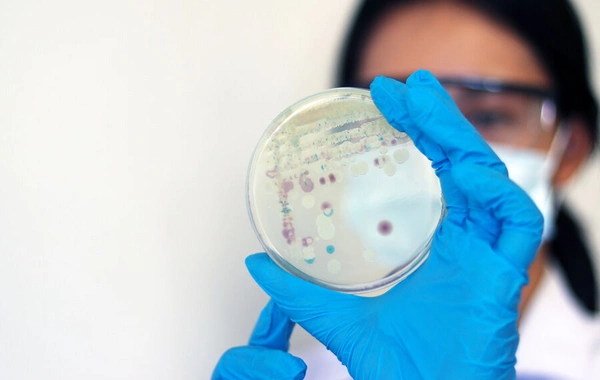
Scientists from NASA's Jet Propulsion Laboratory have found that the fungus Aspergillus calidoustus can survive extreme conditions simulating a flight to Mars and the environment of the Red Planet. The results of the study were published in the journal Applied and Environmental Microbiology (AEM).
During the experiment, specialists studied fungal spores collected in NASA's cleanrooms where spacecraft are assembled. These areas are considered among the cleanest on Earth, yet even there, resistant microorganisms were found.
The scientists subjected the spores to conditions closely approximating those on Mars: low temperatures, ultraviolet and ionizing radiation, as well as reduced pressure. Under such conditions, most living organisms perish, yet the spores of Aspergillus calidoustus demonstrated high survivability.
The study showed that this fungus is capable of persisting through all stages of a potential mission — from spacecraft assembly to remaining on the surface of Mars. It could only be destroyed through a combination of extreme cold and high radiation.
According to the lead researcher Kasthuri Venkateswaran, the findings do not mean that contamination of Mars is inevitable, but they point to the need for stricter biological safety controls. Resistant microorganisms could accidentally reach other planets and distort the results of the search for extraterrestrial life.
Additional concern is raised by the risk to future crewed missions: microbes are capable of colonizing life support equipment and affecting its operation. The researchers emphasize that understanding the resilience of such organisms will help improve planetary protection strategies and reduce risks in space exploration.

Similar News

A non-obvious product that provokes obesity has been named
Fructose may have an independent effect on the development of obesity and metabolic disorders, acting not merely as an energy source. This is the conclusion rea...