

 Azərbaycanca
  По-русски
  English
 About us
Humanity is under threat due to the discovery of mosquitoes in Iceland
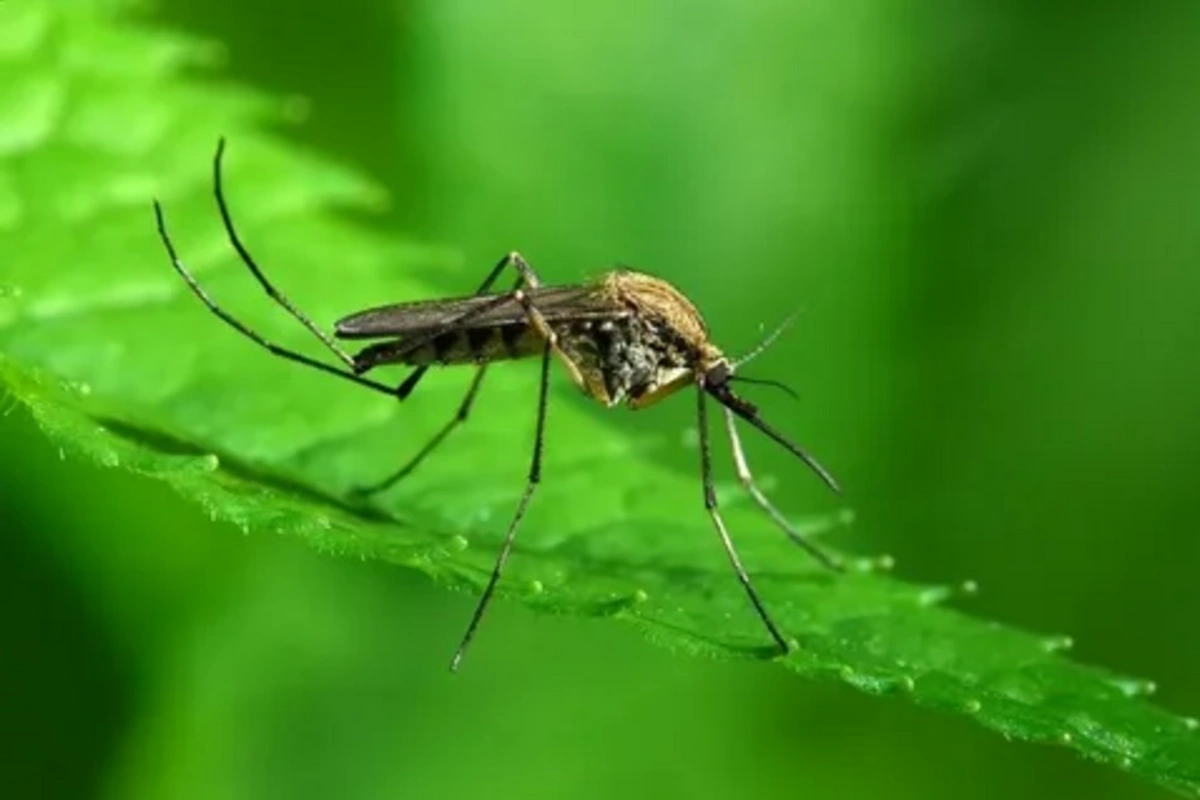
Iceland had long remained the only Arctic country without mosquitoes. However, in 2025, the insects were recorded for the first time north of Reykjavik. According to scientists, this is a sign of large-scale ecological changes in the region. The study was published in the journal Science.
The Arctic is warming approximately four times faster than the rest of the planet. This is changing the living conditions for many species: earlier snowmelt, longer summers, and more frequent natural disturbances such as fires are creating a favorable environment for the spread of insects.
Mosquitoes are just one example. The Arctic is home to numerous arthropods (including spiders and insects) that play an important role in ecosystems: they pollinate plants, participate in the decomposition of organic matter, and serve as food for animals. At the same time, these organisms are extremely sensitive to environmental changes and can serve as indicators of climate processes.
Scientists note that the changes are already affecting animals. For example, Arctic birds are experiencing a disruption in the synchronization between the hatching of chicks and the emergence of the insects they feed on. Reindeer and caribou are facing a growing number of parasites and blood-sucking insects, which reduces their physical condition and reproductive performance.
An additional threat is posed by outbreaks of pest insects that can destroy tundra vegetation. This affects nutrient cycling, surface reflectivity, and soil temperature, accelerating the thawing of permafrost and the release of greenhouse gases.
The situation is exacerbated by the growth of human activity in the region — the development of shipping, tourism, and infrastructure is creating new pathways for species dispersal. The appearance of mosquitoes in Iceland, according to the researchers, is only the beginning.
At the same time, there is virtually no systematic monitoring of arthropods in the Arctic. Scientists emphasize that without coordinated international observations, it is impossible to assess the scale of changes and respond to threats in a timely manner, including the spread of diseases.
As a possible solution, the creation of a unified observation system is being considered with the participation of the Arctic Council and its biodiversity monitoring program. Local communities, which are already documenting changes in nature, should also play an important role in this effort.
Researchers believe that the appearance of mosquitoes is not merely a curiosity but a signal of deeper processes. In their words, the question is no longer whether new changes will occur, but whether it will be possible to detect them in time and prevent the consequences.

Similar News
Earth bacteria were able to survive in Martian conditions
Dutch scientist Tommaso Zaccaria from the Radboud University Medical Center has established that microorganisms of terrestrial origin are capable of surviving o...