


 Azərbaycanca
  По-русски
  English
 About us
The scientist explained how smartwatches lie about stress levels
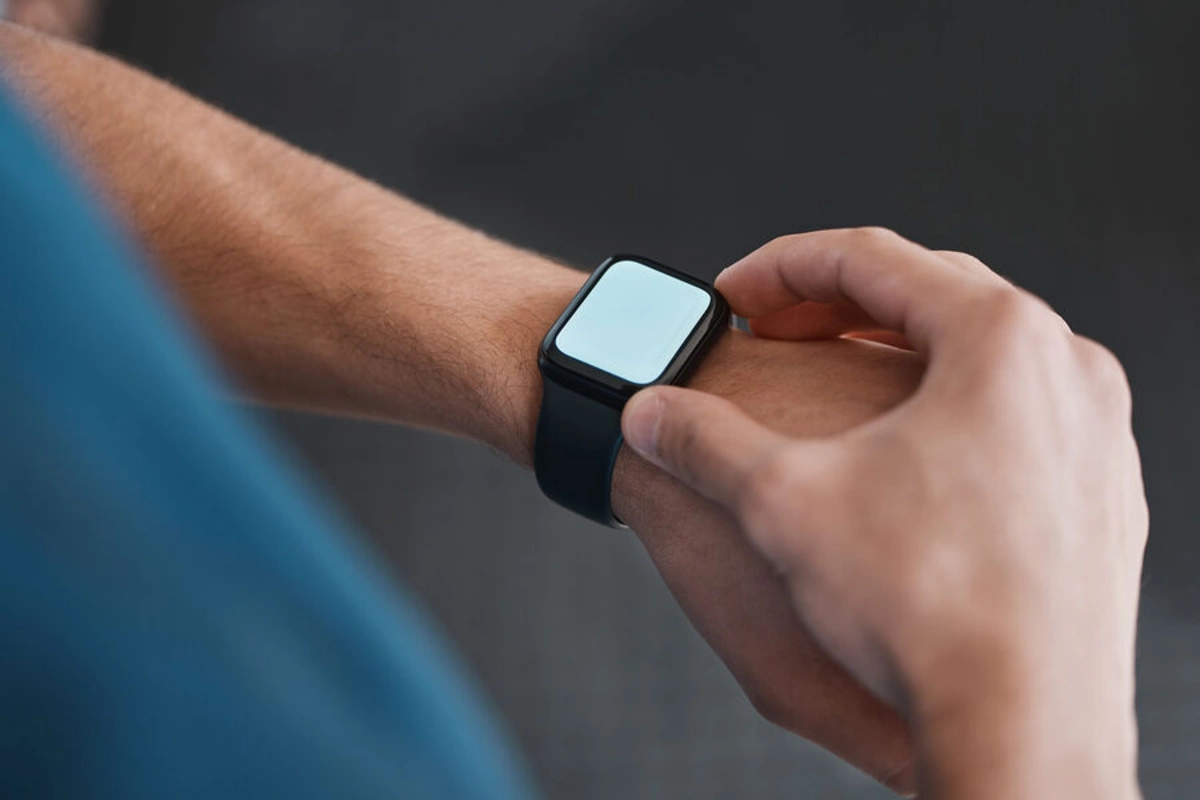
High stress readings shown by smartwatches do not always indicate a psychological breakdown, stated Russian researcher Arseny Buryakov.
As reported by BAKU.WS citing "Gazeta.Ru," according to the specialist, when a notification about elevated stress levels appears, the device analyzes the user's physiological parameters, primarily heart rate variability. In a normal state, the intervals between heartbeats vary slightly; however, when the body shifts into a heightened activity mode — whether due to emotional tension, physical exertion, or lack of sleep — the sympathetic division of the autonomic nervous system is activated, accompanied by the release of adrenaline and cortisol.
The expert explained that during such moments, the intervals between heartbeats become more uniform and variability decreases. It is precisely this change that the device's algorithms interpret as a high level of physiological stress.
According to the scientist, measurements are carried out using an optical sensor on the wrist: an LED illuminates the tissues, and a sensor captures changes in reflected light with each pulse wave. The received signal undergoes digital processing — the system filters out interference caused by hand movement, poor contact with the skin, or external light sources. Based on these data, variability indicators and the regulatory systems tension index are calculated.
At the same time, as Western specialists emphasize, measurement accuracy may decrease with unstable contact between the device and the skin or active movements by the user, leading to signal distortion.
Buryakov also noted that a high reading on a gadget's screen should not be perceived as a sign of a psychological crisis. It merely indicates that the body is currently functioning in a state of heightened tension.
Among possible causes, the expert highlighted emotional distress, sleep deprivation, dehydration, caffeine consumption, intense workouts, or early stages of illness. All these factors share a common mechanism — activation of the sympathetic nervous system. Therefore, in the specialist's opinion, it is more appropriate to evaluate such readings over time, as one-time values do not provide a complete picture of the body's condition.

Similar News

Popular sports supplement protects the brain from inflammation
The popular sports supplement creatine prevented brain inflammation, nerve cell damage, and disruption of electrical activity in the hippocampus of rats with ch...