

 Azərbaycanca
  По-русски
  English
 About us
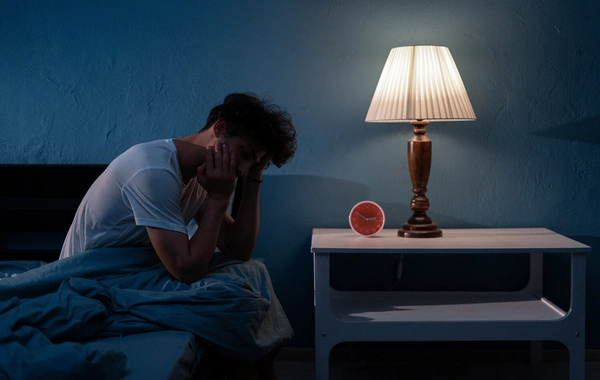
An unexpected way to go to bed earlier and improve sleep has been revealed

Scientists have found that the more time a person spends in morning sunlight, the earlier they fall asleep and the better they sleep. The study was published in the journal BMC Public Health.
Researchers surveyed 1,762 adults living in one of Brazil's regions. It turned out that every additional half hour of sun exposure before 10 AM shifted the moment of falling asleep approximately 23 minutes earlier. On average, participants slept more than seven hours per night, and those who spent more time in morning light also experienced improved subjective sleep quality, not just sleep timing.
Daytime light — from 10 AM to 3 PM — had virtually no effect on sleep timing. This suggests that the human biological clock is primarily calibrated by morning and evening light rather than midday light. Sun exposure after 3 PM produced a weaker effect — approximately a 19-minute shift for the same half hour of light.
A special brain region called the suprachiasmatic nucleus is responsible for regulating circadian rhythms. It uses light signals to control the production of the "sleep hormone" melatonin. This is why morning light helps "reset" the internal clock to an earlier time. Disruptions in circadian rhythms are associated with problems related to sleep, mood, and metabolism, making morning light a simple and accessible way to adjust them.
The authors note limitations: the data are based on self-reports, without objective instruments and without accounting for screen light, and the data collection took place during COVID restrictions, which may have affected sleep through stress and isolation. Nevertheless, the results support a simple recommendation — spend more time in morning light if you want to fall asleep earlier.

Similar News

Scientists have discovered a new "organ" hidden in the skull
Biologists at Washington University School of Medicine in St. Louis have discovered previously unknown immune structures inside the skull bones of mice. The res...