Azərbaycanca
 По-русски
 English

 About us
Corporal punishment raises anxious and aggressive children, study shows
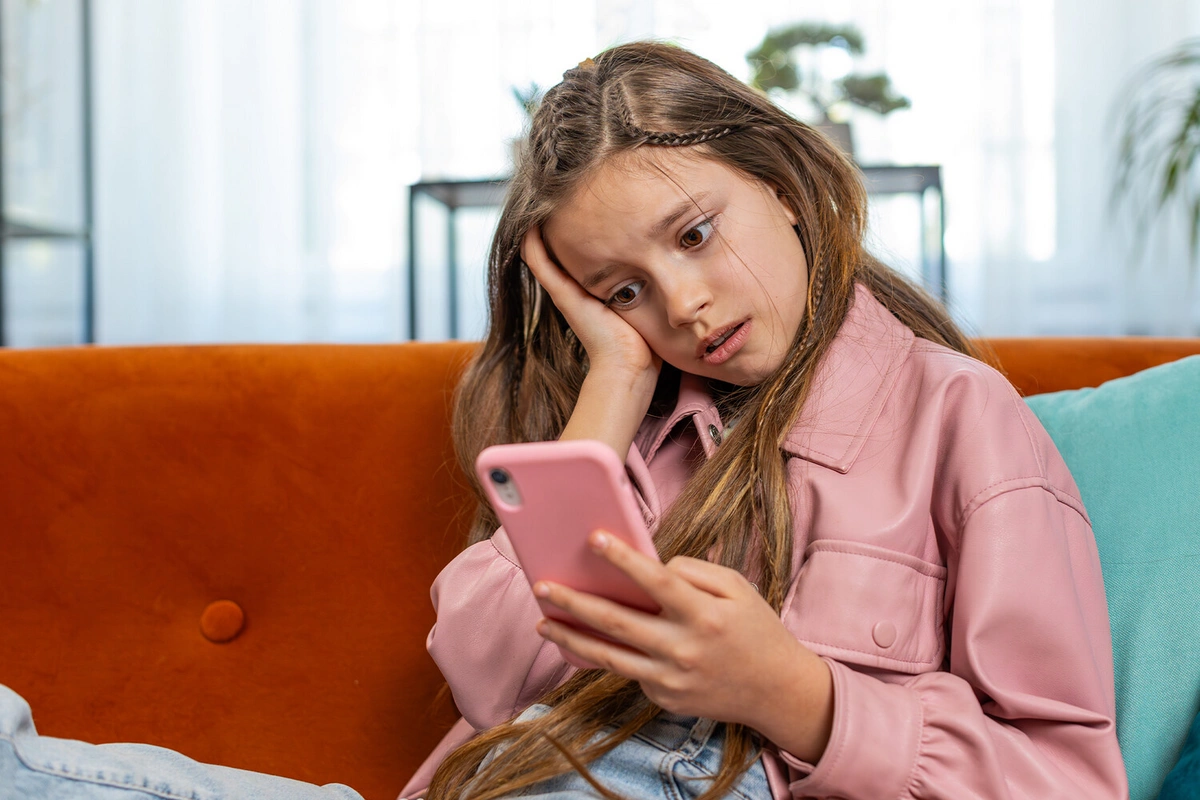
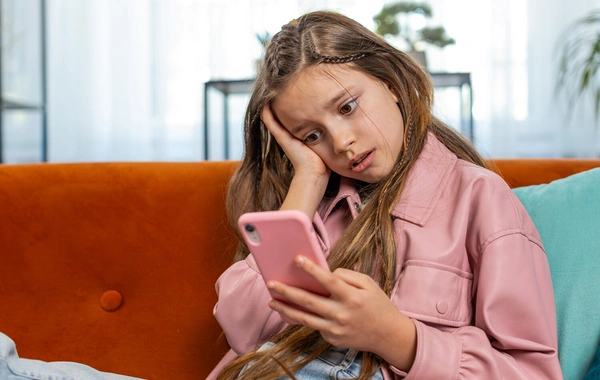
The more frequently parents physically punish their children, the more anxious and aggressive those children grow up to be, and this is a fact across each of the nine cultures studied. The results of the 15-year Parenting Across Cultures project, which followed 4,500 families from China and the Philippines to Kenya, Sweden, and the USA, were presented in a public lecture by its director, psychologist Liane Peña Alampay from Ateneo de Manila University in the Philippines.
Throughout those years, children and parents were regularly surveyed and tested. Frequent physical punishment over time predicted increases in anxiety and aggression in the child; in countries where spanking is socially approved, the association weakened, but punishment brought no benefits anywhere. "In the Philippines, corporal punishment is often considered synonymous with discipline. I want to change that: discipline can take very different forms. Children need to be guided, but not through cruelty or pain," the psychologist explained.
Another set of findings concerns parental warmth. Rejection, coldness, and hostility within the family predicted emotional and behavioral difficulties with children that persisted from ages 7 to 14. Children who felt valued and accepted were less likely to suffer from aggression, antisocial behavior, depression, and anxiety. The researchers distinguish between an authoritarian style, built on strictness and obedience (most pronounced among Filipino parents), and an authoritative style, where demands are complemented by warmth, dialogue, and respect for the child's opinion.
Beyond the general ineffectiveness of corporal punishment, it was found that children who helped with household chores and supported their siblings more often grew up ready to help others, and among Filipinos, such involvement even mitigated the consequences of poor parenting.
The knowledge is already being turned into practice: in the Philippines, the Masayang Pamilya ("Happy Family") program is in place, teaching parents specific techniques—from ready-made conversation scripts to stress management. A trial of the program showed a reduction in child maltreatment, with the effect persisting even a year later. It is now being incorporated into mandatory family sessions for social welfare recipients.
Sweden, one of the nine countries in the study, was the first in the world to ban corporal punishment—back in 1979. Today, this ban is in effect in more than 60 countries; Russia is not among them. The key, according to the psychologist, is supporting rather than condemning parents: "We ourselves are products of our history and of how we were raised; we simply don't know any other way." Parents, she added, are eager to learn new approaches once they are shown techniques that work.


Similar News

A quantum mystery that had puzzled physicists for decades has been solved
Physicists from the California Institute of Technology and Yale University have learned to precisely calculate the Kondo effect — a phenomenon in which magnetic...