

 Azərbaycanca
  По-русски
  English
 About us
Historical Reboot: Why Brussels Is Betting on Azerbaijan
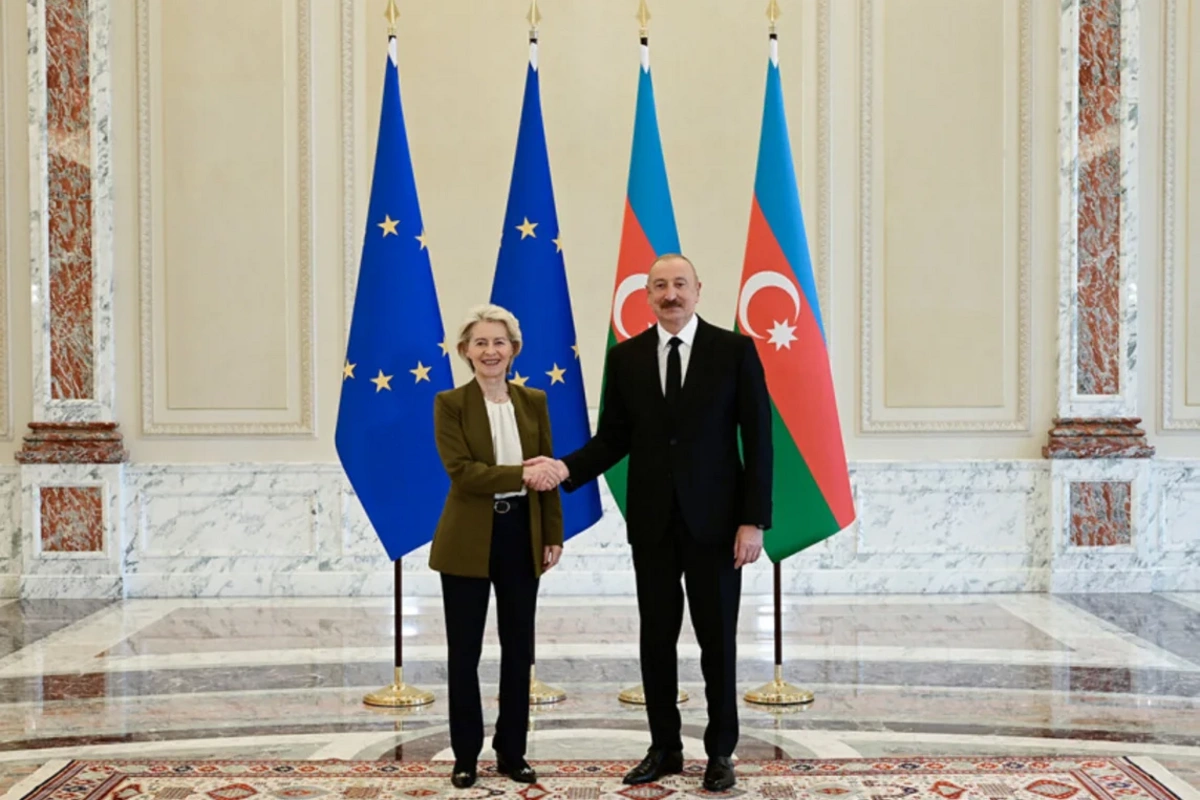
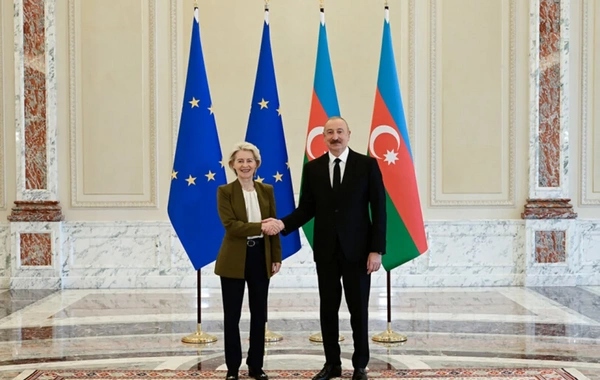
The visit of European Commission President Ursula von der Leyen to Azerbaijan became, without exaggeration, a historic event not only in the context of relations between Baku and Brussels, but also in a much broader geography, writes the newspaper "Caspiy."
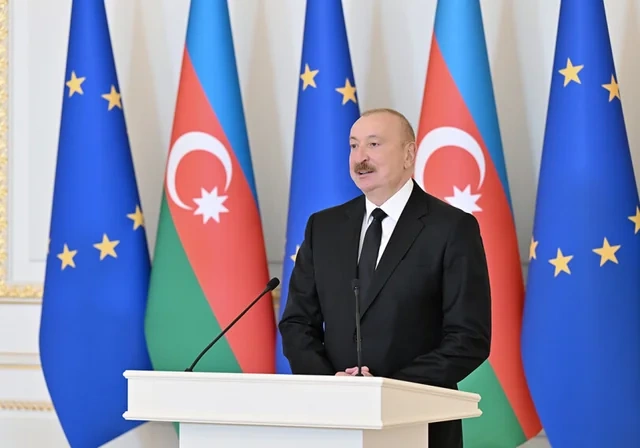
In fact, this marks the beginning of a new phase of European policy in the South Caucasus and Central Asia, where Azerbaijan is assigned the role of one of the key geo-economic centers. This is evidenced both by the statements of President of Azerbaijan Ilham Aliyev, who emphasized that relations between the European Commission and Azerbaijan have entered an "unprecedentedly active phase," reflecting the mutual aspiration of both sides to deepen their partnership, and by the assessments of European Commission President Ursula von der Leyen, who called Azerbaijan "a reliable and proven partner of the European Union" and noted that "few countries are in such an advantageous position to contribute to the development of regional cooperation and stability."
It is no coincidence that, in order to consolidate its role in the emerging new geopolitical landscape of the region, the high-ranking European guest announced the allocation of a grant financing package of up to 200 million euros for the development of transport, energy, and digital connectivity in the South Caucasus. According to the European Commission's estimates, these funds are capable of mobilizing up to 2 billion euros in public and private investment. Additionally, the allocation of another 20 million euros was announced to support local communities in Azerbaijan and Armenia, including projects in healthcare, demining, professional skills development, and small business.
The volume of financing itself is of great importance, but the main outcome of the visit was not so much the monetary funds as the change in the EU's very approach to the region. Brussels is gradually shifting from political declarations to forming a long-term investment strategy designed to connect Europe with Central Asia through the Caspian Sea and the South Caucasus.
From energy to geo-economic partnership
The change in the European approach is most clearly evident when comparing the current visit with Ursula von der Leyen's trip to Baku in the summer of 2022.
At that time, the main subject of negotiations was Europe's energy security. Against the backdrop of the war in Ukraine, the European Union sought to reduce its dependence on Russian energy resources as quickly as possible, which led to the signing of a Memorandum on Strategic Partnership in the energy sector and an agreement to increase Azerbaijani gas supplies.
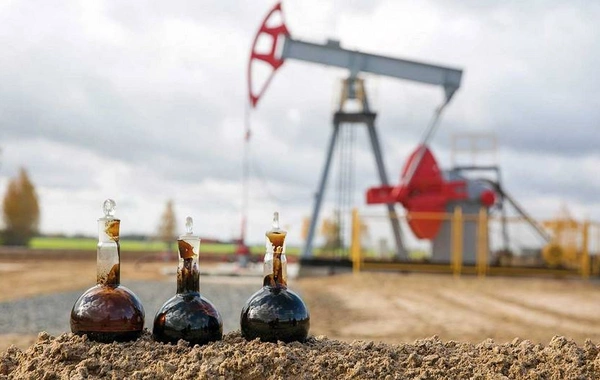
Today, energy remains the foundation of the relationship. About half of Azerbaijan's gas exports go to EU member states. At the same time, Azerbaijani gas is already being supplied to 10 EU countries with prospects for further expansion of export geography.
However, the fundamental difference of the current phase is that energy has ceased to be the sole basis of the partnership
Similar News
A regular training assembly with military reservists has been conducted in the Separate Combined Arms Army
In accordance with the training plan for the current year, as part of joint activities with the State Service for Mobilization and Conscription, the next traini...