

 Azərbaycanca
  По-русски
  English
 About us
120-Year-Old Güllübulaq: The Azerbaijani Village That Was Renamed and Its Residents Expelled
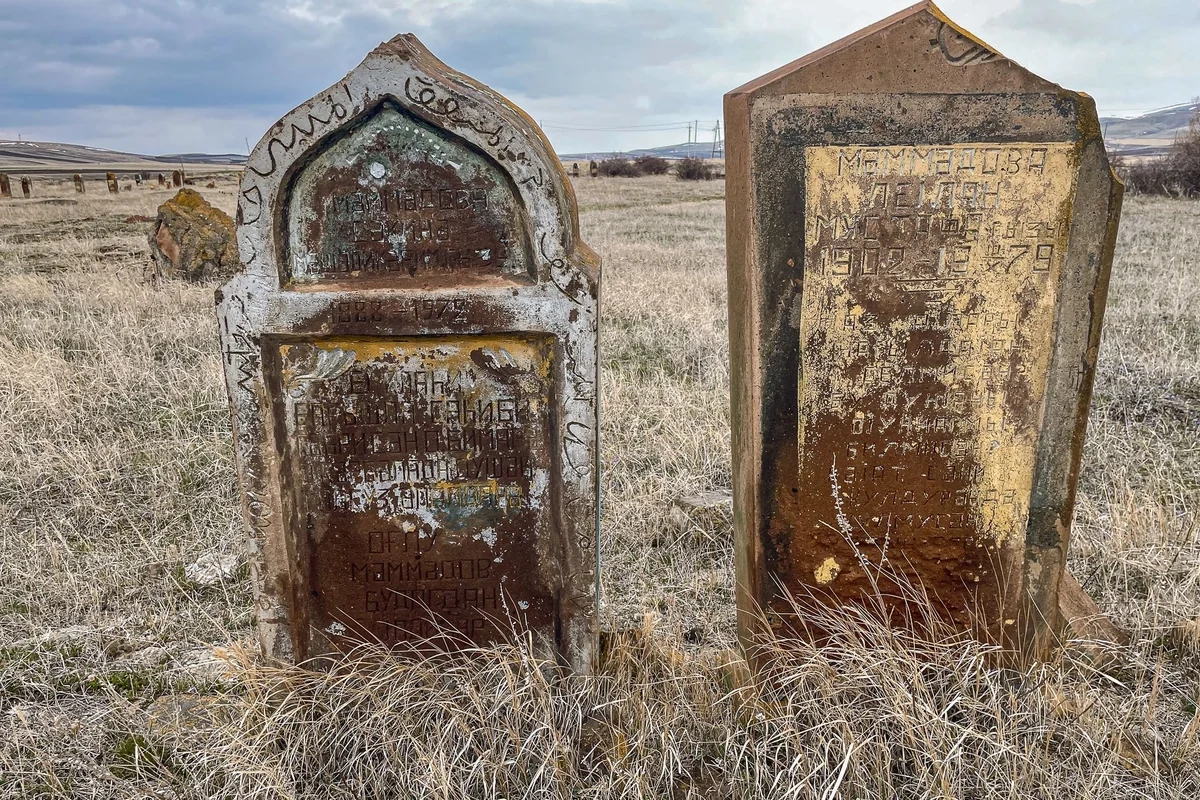
A unique project has been presented to the public - the research work "Places of Memory of Western Azerbaijan."
For the first time, during field research on the territory of modern Armenia, data on nearly 600 villages where the ancestors of modern Azerbaijanis originally lived have been collected and systematized. In some of them, fragments of Turkic cultural and historical heritage have been preserved - cemeteries, shrines, mosques.
A separate video has been prepared for each village in three languages (English, Azerbaijani, Russian), containing photo and video footage of the specific village on the territory of modern Armenia, documented data on the number of Turks (ancestors of modern Azerbaijanis) in the 19th-20th centuries in the specific village, as well as the history of the village and the chronology of the gradual "disappearance" of the Turkic population as a result of expulsions and ethnic cleansings.
Western Azerbaijan is historically a geographical space where hundreds of thousands of Azerbaijanis lived. Despite attempts to erase the traces of our compatriots in these territories, remembering and being aware of the ancient places of residence of Azerbaijanis in Western Azerbaijan is the duty of each of us.
BAKU.WS, with reference to Baku TV, presents to readers the following part of the series dedicated to the village of Gullibulaq (now Byurakn) in Armenia.

Names:
- during the tsarist period - Gullibulaq, Gullibulakh, Gulibulakh;
- during the Soviet period - Gullibulaq.
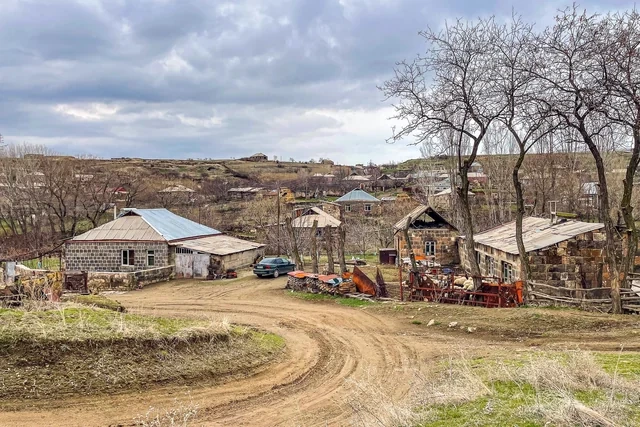
For at least 120 years, the village bore the name Gullibulaq. In 2006, as part of the policy of Armenianization and destruction of Azerbaijani heritage in Armenia, the village was renamed Byurakn.
Since 1995, the village has been part of the Shirak Province of the Republic of Armenia.
On the eve of the Russo-Turkish War of 1877-1878, the territory of the village was part of the Kars Sanjak of the Ottoman Empire. As a result of the war, the Treaty of Berlin was concluded, according to which the Ottoman Empire was forced to cede Kars, Ardahan, and Batum (now Batumi) to Russia15. During the tsarist Russian period, the village belonged to the Kars District of Kars Province.
According to statistical data from the tsarist period, also cited in Armenian sources, at various times before 1914, the village was inhabited exclusively or predominantly by the ancestors of Azerbaijanis. In some sources, they are referred to as Karapapakhs (an

Similar News

Who is distorting the meaning of the President of Azerbaijan's words about superpowers, and why?
For two days now, following the speech of President of Azerbaijan Ilham Aliyev at the 8th congress of the "Yeni Azerbaijan" party, a number of Russian media out...