

 Azərbaycanca
  По-русски
  English
 About us
The Hormuz Trap: Will Gasoline Prices Rise in Azerbaijan?
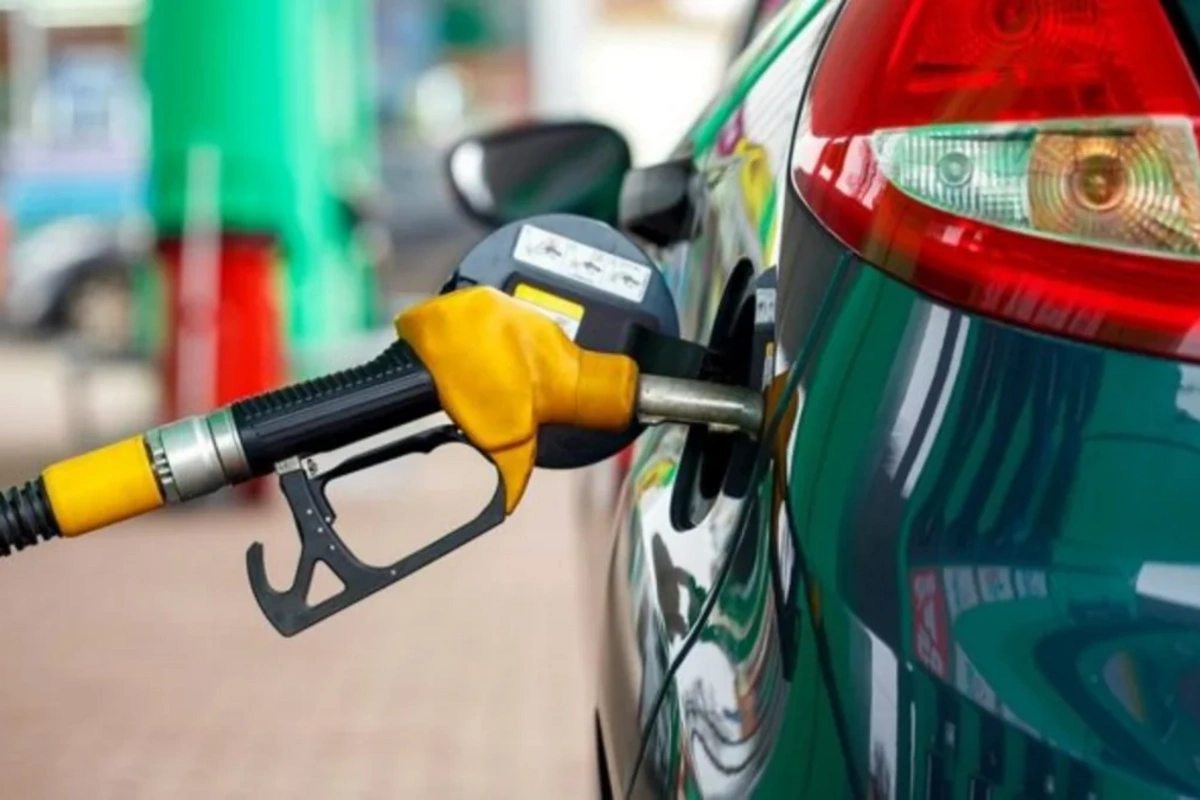
Tankers stuck in the Strait of Hormuz and the rapid rise in oil prices are the most obvious consequences of the US and Israeli confrontation with Iran. Due to the armed conflict in the Middle East, the strait has remained closed for an extended period. The bilateral blockade of this route has triggered a massive energy crisis worldwide.
As reported by BAKU.WS, this topic is covered in detail in a video report by ITV television channel.
For residents of Europe, this spring is hardly different from winter. The population is forced to spend additional funds on heating. At the same time, summer vacations will cost Europeans twice as much due to rising airfare prices. Airlines in Europe are facing a serious fuel shortage, forcing companies to raise fares or reduce the number of flights.
Today, the cost of automotive fuel is causing the greatest concern. The question arises: could Azerbaijan face similar difficulties?
As is known, the republic produces its own gasoline. However, AI-95 grade fuel is mainly purchased abroad, and its price is not regulated by the state. Is a price increase expected on the Azerbaijani market in this regard?
Maritime straits and canals, which form the backbone of global trade, carry billions of dollars' worth of oil and gas through them daily. The Suez Canal, controlled by Egypt, serves as the shortest route between Europe and Asia. The Bab el-Mandeb Strait serves as the southern entrance to the Red Sea and the key to Suez. Gibraltar connects the Mediterranean Sea with the Atlantic, and the Panama Canal links the Atlantic and Pacific Oceans. The Bosphorus and the Dardanelles provide access to the world's oceans for the countries of the Black Sea basin.
Currently, the main attention is focused on the Strait of Hormuz, blocked by the US and Iran. Before the blockade began, approximately 20% of all global oil was transported through this waterway. The crisis, lasting nearly two months, has demonstrated the deep dependence of the global economy on maritime logistics corridors.
According to analysts' estimates, if shipping in the Strait of Hormuz is not restored by the end of May, many states, starting with countries with weak economies, will face serious problems. This could lead to a sharp spike in inflation, and in some cases, to a full-scale recession.
The threat looms not only over the Asian region. Europe, which abandoned Russian energy resources since 2022, is also in a state of alarm. The European Union replaced Russian gas with supplies from the US and Qatar. However, 93% of Qatar's natural gas exports pass precisely through the Strait of Hormuz. Consequently, the current situation has critically reduced the volumes of gas supplies to European countries.
It is reported that total energy costs in Europe have already increased by 70%. In European Union countries, the price of gasoline compared to February has risen by an average of 15%, and diesel fuel by 30%. The maximum price increases have been recorded in France, Germany, Denmark, and the Netherlands.
Despite a temporary lull in the Middle Eastern conflict, the situation around the Strait of Hormuz remains tense. Such a state of affairs once again turns Russia, which is under international sanctions, into a significant player in the market.
How will the global energy deficit affect Azerbaijan? The country is one of the key suppliers of aviation fuel for regional markets. Currently, the main oil refinery in Baku — the Heydar Aliyev plant — is undergoing large-scale modernization. The main goal is to bring aviation kerosene production volumes to one million tons per year and transition to the Euro-5 environmental standard.
As for automotive fuel, Azerbaijan independently provides itself with diesel and some other types of fuel. AI-95 grade gasoline is predominantly imported, so its final cost will depend on market expenses and the price balance determined by importing companies.
It should be recalled that in 2024, the price of AI-95 gasoline in Azerbaijan decreased from 2 to 1.60 manats.
The World Bank and the International Monetary Fund also express serious concern about the current situation. The global economic growth forecast has already been reduced to 3.1%. If the Hormuz crisis drags on, an economic downturn may become inevitable.
The current energy crisis has clearly shown the world one important thing. Despite the development of green technologies and alternative sources, humanity's pulse still beats in narrow maritime straits. As of today, there is no full-fledged replacement for traditional fuel.

Similar News
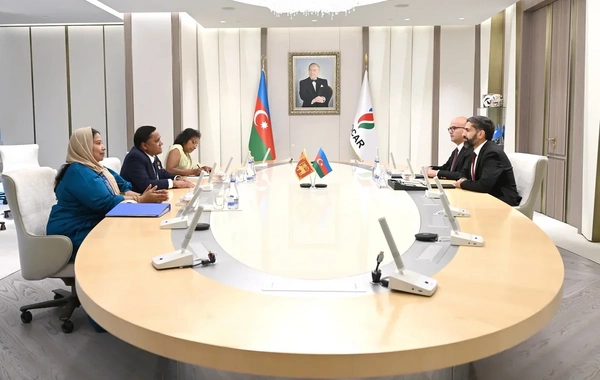
Azerbaijan and Sri Lanka discussed cooperation in the energy sector
SOCAR discussed cooperation prospects with Sri Lankan companies in the energy sector. As reported by BAKU.WS with reference to the State Oil Company of Azerbaij...