


 Azərbaycanca
  По-русски
  English
 About us
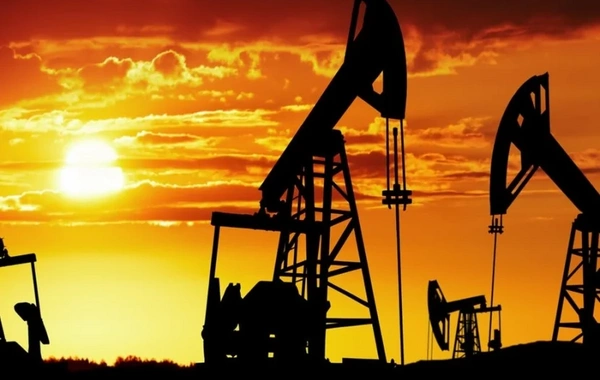
Azeri Light oil has risen in price by more than 8 percent: what does this mean for Azerbaijan's economy?

The steady upward trend in oil prices continues on global energy markets.
According to BAKU.WS, the price per barrel of Azerbaijan's Azeri Light crude oil rose by 10.89 US dollars, or 8.33 percent, at the close of the latest trading session, reaching the level of 141.68 US dollars.
According to market participants, the price surge is directly linked to global geopolitical tensions and increased risks in the area of energy supplies. Concurrently, June futures for the benchmark Brent crude also rose, settling at 141.37 US dollars.
Experts believe that the current dynamics indicate persistent uncertainty in the energy market, which may keep prices at elevated levels in the near term.
This naturally raises the question: what opportunities and risks does the rise in oil prices create for Azerbaijan's economy?
Member of the Milli Majlis Committee on Economic Policy, Industry and Entrepreneurship Vugar Bayramov told BAKU.WS that Azerbaijan is interested in maintaining stable oil market prices and preventing sharp volatility. This position has been repeatedly emphasized by the country's leadership, noting that a stable pricing environment better serves Azerbaijan's economic interests:
"At the same time, tensions in the Strait of Hormuz and risks associated with energy transportation have a direct impact on global oil prices. These processes inevitably affect Azerbaijan's export revenues and foreign currency inflows into the country.
The state budget for 2026 is based on an oil price of 65 dollars per barrel. Looking at the figures for the first months, in January this figure was approximately 63 dollars, and in February it was 67 dollars. That is, prior to the escalation of military tensions around Iran, prices were close to the level planned in the budget. However, the subsequent events triggered a sharp rise in oil prices.
According to forecasts, in 2026, 43 percent of state budget revenues — approximately 16.4 billion manats — will come from the oil and gas sector. Of this amount, 12.8 billion manats will consist of transfers from the State Oil Fund, and 3.6 billion manats will be direct revenues from the oil sector."
The deputy also highlighted the positive aspects of rising oil prices:
"In particular, this leads to an increase in the revenues of the State Oil Fund and an expansion of the country's foreign currency reserves. At the same time, the volume of funds flowing into the budget from the energy sector is growing, which is of great importance from the standpoint of overall fiscal sustainability.
Overall, high oil prices, by increasing export value, ensure a greater inflow of foreign currency into the country, strengthen the positive balance of payments, and contribute to the accumulation of foreign currency reserves. This serves as one of the key factors in maintaining Azerbaijan's macroeconomic stability."
Orkhan Huseyn

Similar News
The price of Azerbaijani oil dropped to $102
The price of Azerbaijani Azeri Light crude oil on the world market decreased by $4.18, or 3.92%, to $102.3 per barrel. As reported by BAKU.WS with reference to...