


 Azərbaycanca
  По-русски
  English
 About us
The secret to the mystery of longevity turned out to be hidden in an unexpected species
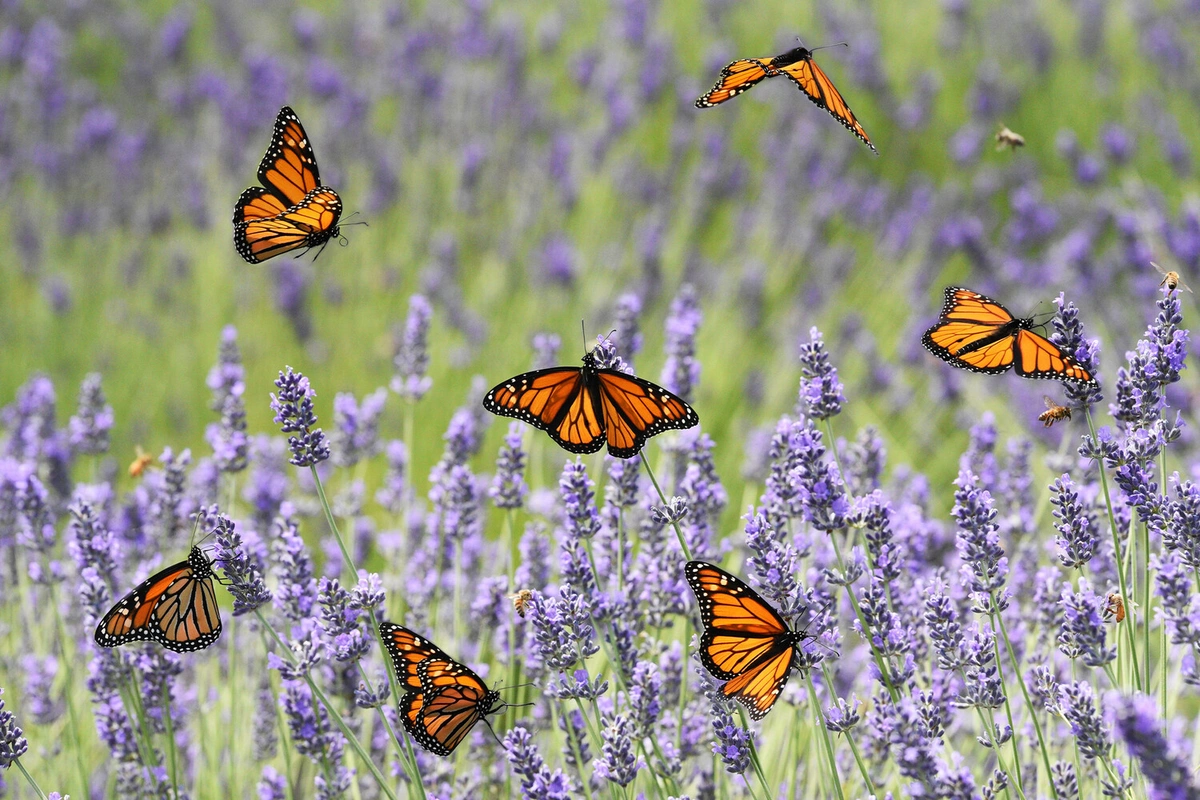
Most butterflies live only a few weeks, but an international team of researchers has discovered true long-livers among them. It turned out that some species can live for nearly a year — 25 times longer than their closest relatives. The results of the study have been published in the journal Nature Communications (NatCom).
The lifespan of animals in nature varies greatly. Some species live for mere minutes, others for centuries. Butterflies are traditionally considered among the most short-lived insects: many of them survive only a few weeks after metamorphosing into adults.
To determine which factors influence the lifespan of these insects, scientists analyzed data on ten butterfly species from the tribe Heliconiini. They used materials from field observations, mark-and-recapture programs, as well as data from public insectaries and live butterfly exhibitions.
The results were unexpected. The maximum recorded lifespan ranged from 14 days in the species Dione juno to 348 days in the butterfly Heliconius hewitsoni. According to the authors, such a large difference between closely related species had previously been virtually unheard of among terrestrial animals.
The researchers paid particular attention to butterflies of the genus Heliconius. These are the only butterflies known to science that in adulthood feed not only on nectar but also on plant pollen.
It was precisely the representatives of this genus that turned out to be the record holders for longevity. Their average maximum lifespan was approximately 177 days, whereas for closely related species that do not consume pollen, it was roughly 58 days.
In addition, the long-lived butterflies demonstrated slower aging, a lower probability of death over the course of their lives, and even better physical fitness. The researchers note that they outperformed their relatives in grip strength, which the scientists figuratively compared to deadlift results in humans.
The authors of the study emphasize that the reasons for such unusual longevity are not yet fully understood. Further research will help clarify the roles played by genetics, diet, and lifestyle characteristics. In the long term, understanding the mechanisms of decelerated aging in animals could also prove useful for studying human aging processes.

Similar News

Doctor warned about the insidiousness of lung diseases
Serious lung diseases can develop for a long time without cough or other obvious symptoms until the organ's function begins to significantly deteriorate. This w...