


 Azərbaycanca
  По-русски
  English
 About us
Eight best ways to improve sleep during hot weather
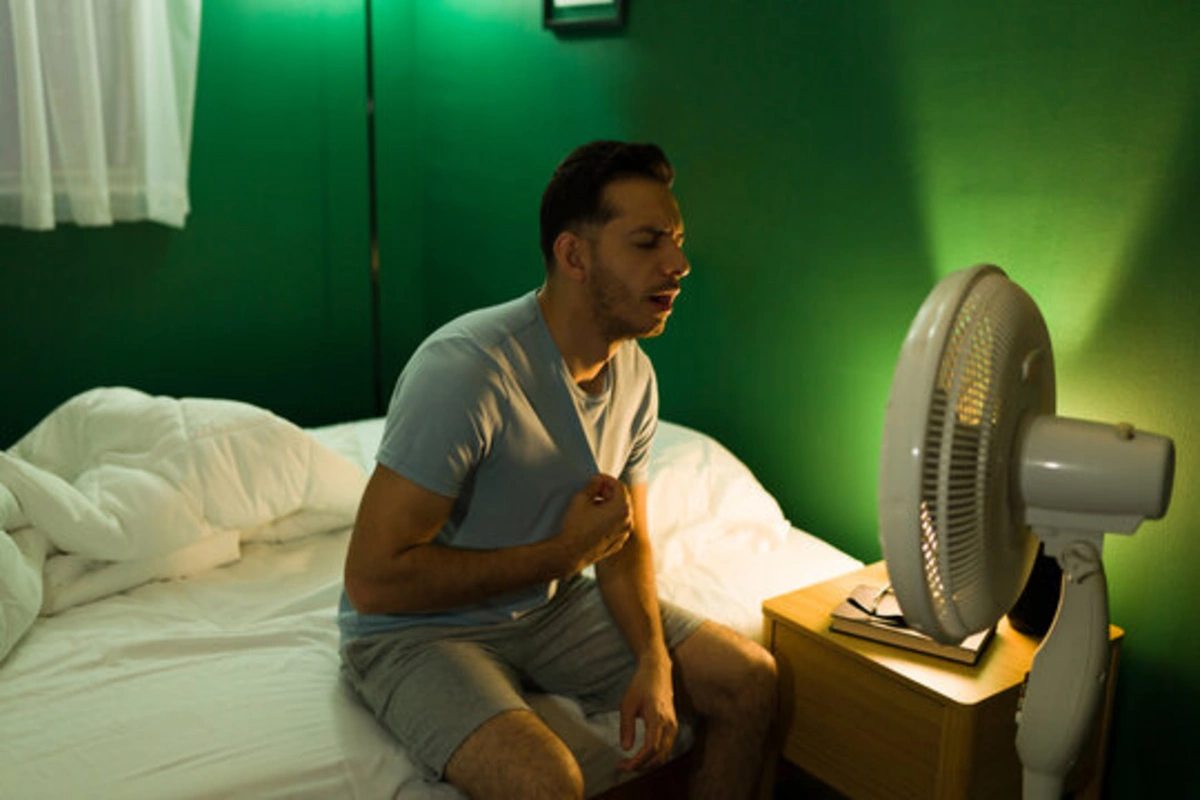
Building engineering specialists Amin Al-Habaibeh and Francesco Luca Siena explained that a good night's sleep in hot weather begins many hours before your head hits the pillow — with how much the house itself has overheated during the day. This was reported by The Conversation.
Sleep is closely linked to thermoregulation: to fall asleep and stay asleep, the body needs to shed some of its heat, and a hot bedroom prevents this. High humidity makes the problem worse — the body cools itself through sweat evaporation, but in humid air evaporation occurs more slowly. Air conditioning solves the issue, but it is not available to everyone: according to the authors' calculations, a small portable air conditioner with a capacity of about 1 kW, running seven hours a day, costs approximately 55 pounds in electricity per month even before purchasing the device itself.
The first step is to keep the sun out of the house during the day: closing curtains and blinds on the sunny side, while external shutters and awnings work even better by reflecting heat before it reaches the glass. Windows should only be opened when it is cooler outside than inside — usually early in the morning, in the evening, or at night — and kept closed during the hottest hours.
Cross-ventilation — open windows or doors on different sides of the house — effectively removes accumulated heat when the air outside has cooled down. Conservatories and sun-facing rooms, as well as upper floors and attics, heat up particularly strongly: ventilation, reflective films, and ideally sleeping on a lower floor or in a north-facing room can help.
Ovens, washing machines, and dishwashers raise the temperature and humidity indoors — they should be run earlier or later in the day, while extractor fans during cooking and showering remove warm, humid air before it spreads throughout the apartment. Lightweight, breathable bed linen made of cotton or linen helps the body lose heat, while heavy duvets and synthetic materials, on the contrary, retain it.
Fans do not cool the air but move it across the skin, speeding up sweat evaporation — this may not be sufficient for elderly or dehydrated people during extreme heat. Frozen hot water bottles wrapped in fabric and mattresses with phase-change materials also help — but, according to the authors, the best results come from combining all eight measures together.

Similar News

A tea that helps lose weight has been named
Ginger tea enhances thermogenesis, meaning it helps the body expend more energy even at rest, which promotes weight loss, gastroenterologist Evgeny Belousov fro...