

 Azərbaycanca
  По-русски
  English
 About us
Named unexpected factor of liver damage
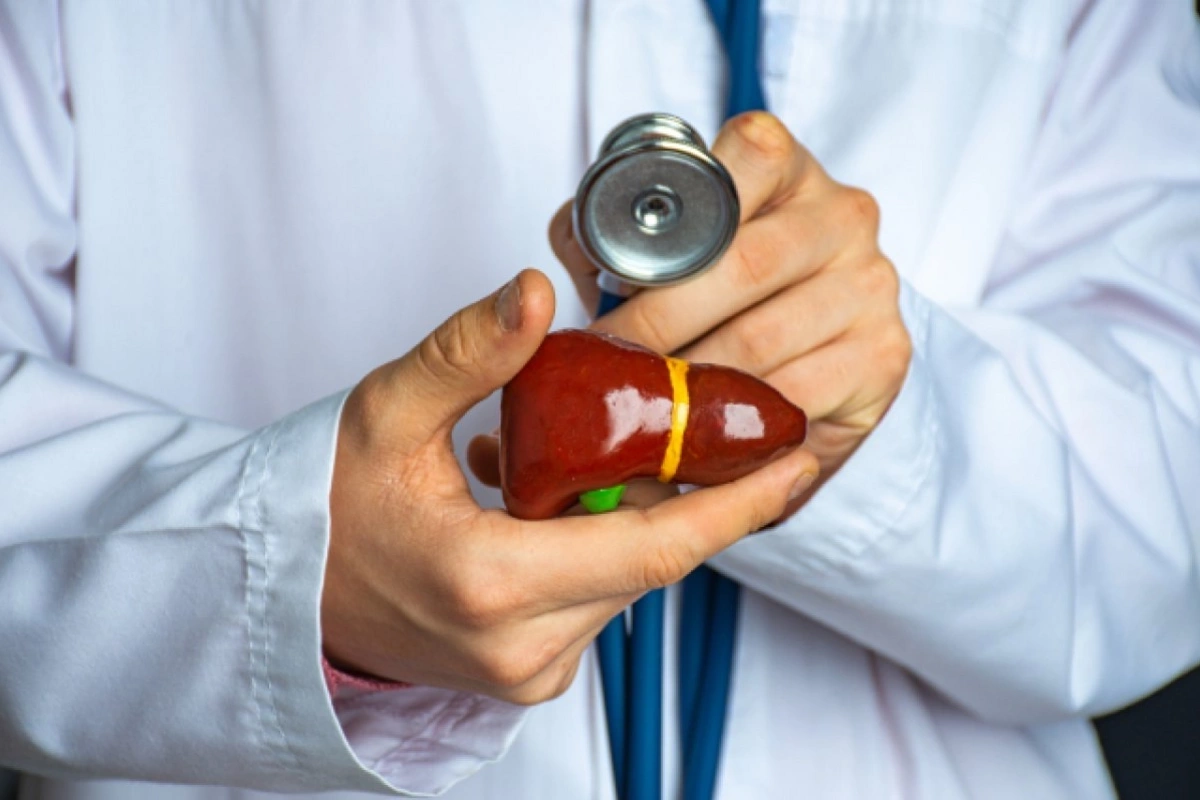
Scientists from the Perelman School of Medicine at the University of Pennsylvania have established that elevated blood cholesterol levels can lead to the formation of crystals that damage the liver. The results were published in the Proceedings of the National Academy of Sciences (PNAS).
According to the researchers, in its pure form cholesterol forms crystalline plates or needle-like structures that are waxy and insoluble in water. Their appearance increases liver tissue density at early stages of metabolic dysfunction-associated steatotic liver disease (MASLD), meaning before pronounced scarring develops.
Non-alcoholic fatty liver disease occurs when lipids accumulate in the liver and is often diagnosed in people with obesity, insulin resistance, and type 2 diabetes.
In animal experiments, specialists compared the effects of a high-fat diet and a diet additionally enriched with cholesterol. In both cases, fatty degeneration of the liver was observed. However, in the second variant, solid inclusions additionally formed inside the cells.
Their presence was associated with increased tissue stiffness regardless of the degree of existing fibrosis. As the authors note, such changes create preconditions for further organ damage and accelerated formation of scar tissue. In the experimental model, elimination of these structures was accompanied by decreased tissue density, indicating the potential reversibility of the identified abnormalities.
Currently, detecting such changes is only possible through biopsy. Going forward, the research group intends to develop non-invasive diagnostic methods and test whether already used medications, including statins, can reduce the accumulation of cholesterol crystals.

Similar News

An unpleasant property has been found in the "love hormone"
Oxytocin is often called the "love hormone," but a new study by Canadian scientists has shown that in people with relationship anxiety, it can make childhood me...