

 Azərbaycanca
  По-русски
  English
 About us
In Pakistan, ancient traces of a highly developed civilization have been found
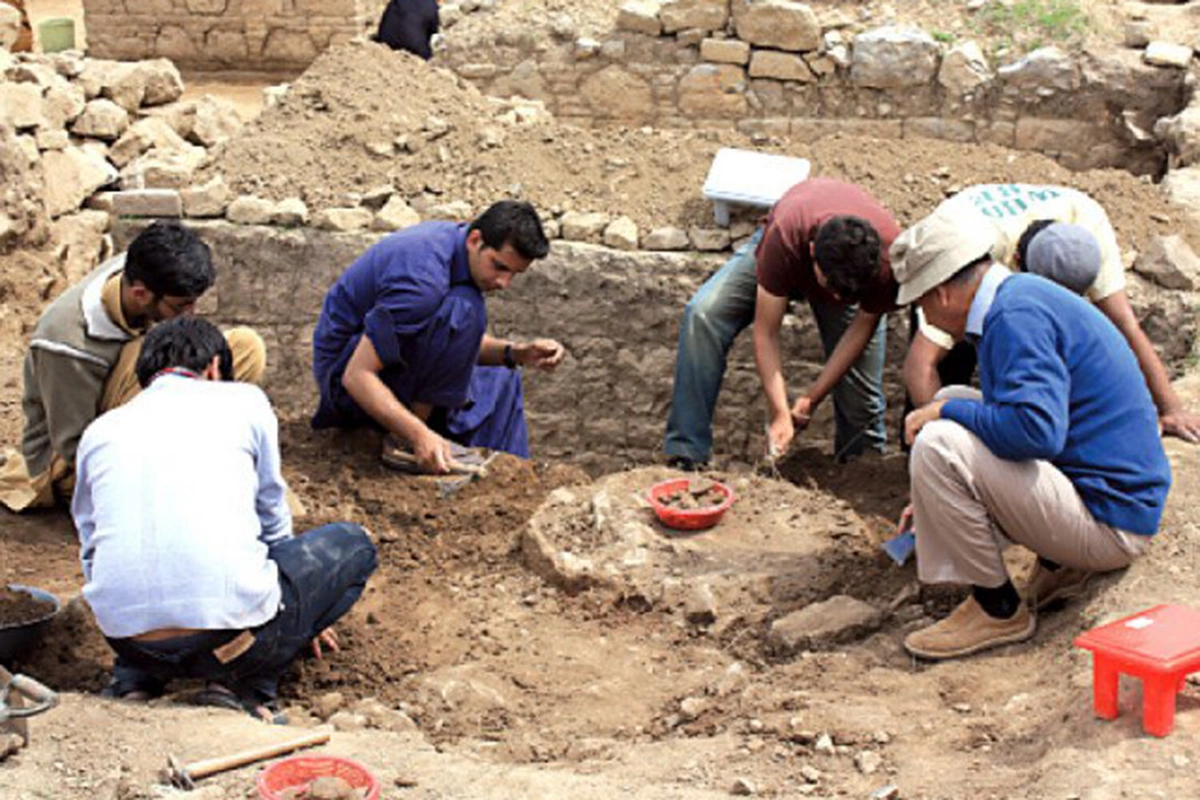
The Department of Archaeology of Punjab in Pakistan, during excavations at the Bhir monument in the vicinity of Taxila, discovered evidence of a highly organized ancient civilization dating back to the 6th century BCE. This is reported by The Express Tribune.
According to the newspaper, the excavations are aimed at scientific study of the earliest city of Taxila and understanding its origins. The work revealed signs of early urban planning: narrow streets, residential buildings, wells, granaries, and everyday items.
Experts noted that the city developed organically, and its layout differs from Greek models that appeared later, reflecting a local approach to organizing early urban space.
The Department of Archaeology of Punjab uses modern methods to document the site, including GPS, drones, 3D scanning, and digital mapping, to record structures and artifacts as accurately as possible. Such approaches provide reliable data for future academic research.
Work at the site is aimed not only at studying artifacts but also at training young archaeologists. The possibility of creating an open-air museum at Bhir Mound is also being considered to improve public access to the historical site.
Former director of the Punjab Archaeology Department, Malik Maqsood Ahmed, noted that Bhir is the oldest city of Taxila, with settlements that existed at least since the 6th century BCE. He emphasized the significance of the site for the history of the Gandhara civilization and also noted the presence of remains from the Achaemenid periods, the early Maurya dynasty, and the time before Alexander the Great's arrival.
Ahmed added that the city was located along ancient trade routes connecting Central Asia, Afghanistan, and the Indian subcontinent. According to him, scientific research, systematic documentation, and measures to preserve cultural heritage strengthen Punjab's position as a regional center for archaeological research and protection of historical monuments.
Similar News

A simple way to lower blood pressure and improve heart health has been named
Only a small fraction of people with high blood pressure use salt substitutes, even though it is a simple and accessible way to reduce sodium intake and improve...