


 Azərbaycanca
  По-русски
  English
 About us
The Most Dangerous Household Appliances for the Respiratory System NamedAI: I've translated the Russian title into English while maintaining the original meaning and structure.
Scientists from Pusan National University have discovered that common household appliances can be a significant source of ultrafine polluting particles capable of penetrating deep into human lungs. The research results are published in the scientific journal Journal of Hazardous Materials (JHM).
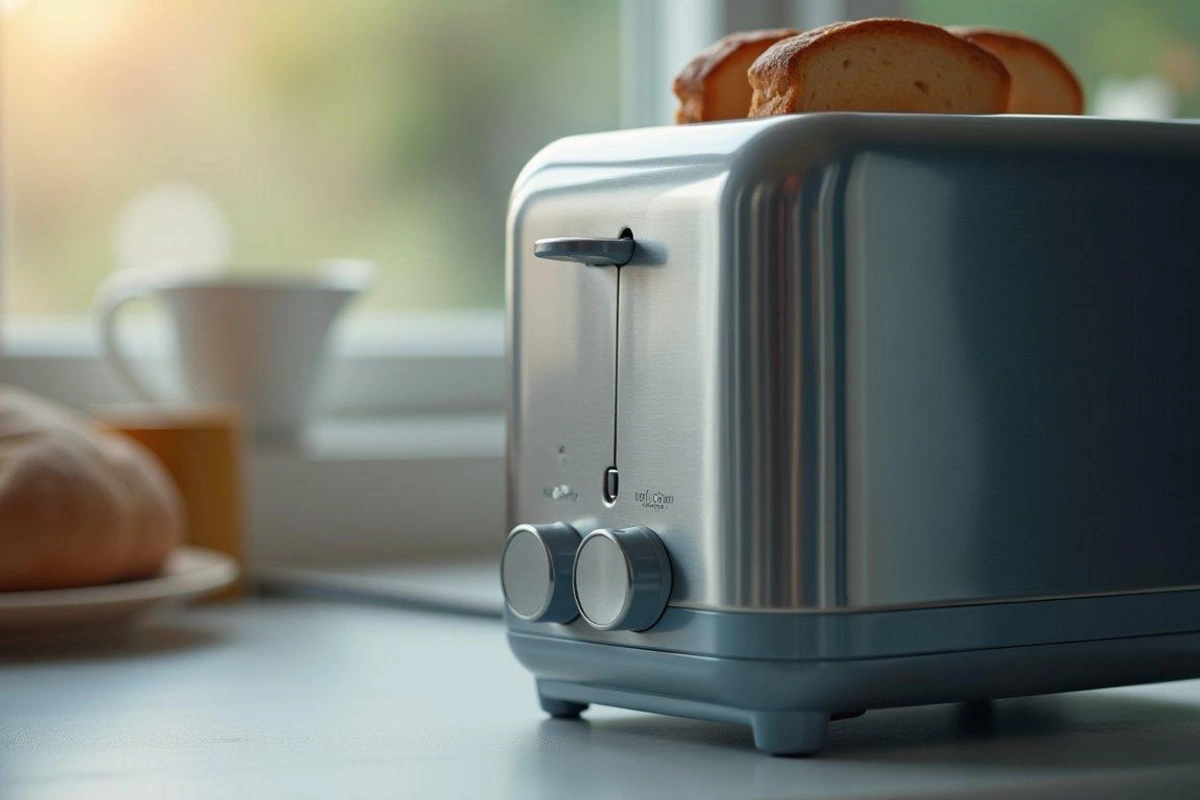
As reported by BAKU.WS, specialists measured emissions of ultrafine particles (UFPs) from various household devices in laboratory conditions. The highest readings were recorded from a pop-up toaster: even without bread inside, it emitted up to 1.73 trillion particles per minute.
Significant emissions were also detected from air fryers and hair dryers - especially models with collector electric motors. At the same time, modern hair dryers with brushless motors produced 10-100 times fewer polluting particles.
Computer modeling showed that ultrafine particles are barely trapped in the nasal cavity and can reach deep sections of the lungs. Children are at greatest risk because their airways are narrower and more vulnerable.
The scientists were additionally concerned about the chemical composition of the emissions: heavy metals - copper, iron, aluminum, and titanium - were found in the particles. They are presumably released from heating elements and motors of household appliances.
The study authors note that previous scientific work has already linked exposure to ultrafine particles with increased risk of developing asthma, cardiovascular diseases, diabetes, and chronic inflammatory processes.
Similar News

The most dangerous habits that can lead to vision loss have been named
Even routine everyday actions can silently undermine your vision — from infections to serious injuries, experts warn. As reported by BAKU.WS with reference to "...