


 Azərbaycanca
  По-русски
  English
 About us
Cats Found to Have an Unexpected "Calling Card"
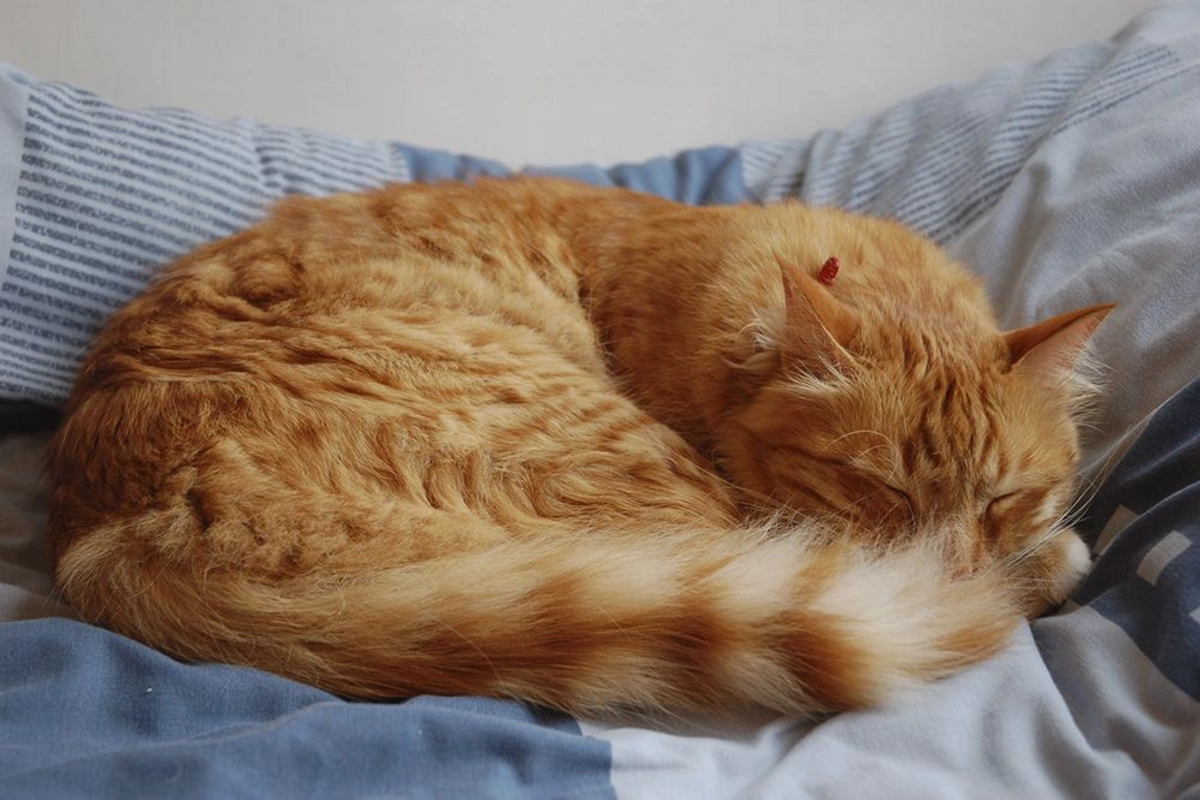
The purring of domestic cats has proven to be a much more reliable "signature" than meowing. Researchers from the Berlin Museum of Natural History and the University of Naples Federico II have demonstrated that it is precisely the rhythmic low-frequency purring that preserves the individual characteristics of the animal, whereas meowing changes significantly depending on the situation. The study is published in the journal Scientific Reports.
Scientists used automatic speech recognition methods and recordings from the Sound Archive of the Berlin Museum. The computer analyzed the acoustic structure of purring and tried to determine which cat the sound belonged to. It turned out that even with a variety of timbres and volumes, purring remains stable and easily recognizable, while meowing is "plastic": it has much more intra-personal variability.
According to study co-author Daniele Russo, purring - the familiar background of contact between a kitten and mother in the first days of life - turned out to be unexpectedly informative: each cat had its own characteristic rhythm and frequency spectrum. Meowing, on the other hand, has evolutionarily transformed into a universal tool for communication with humans. Domestic cats use it when demanding food, attention, or expressing dissatisfaction, and this functional flexibility is reflected in the acoustics.
To assess the impact of domestication, researchers compared the meowing of five wild cat species - from wildcats to cheetahs and pumas. Domestic cats demonstrated significantly greater variability, which, according to the authors, indicates adaptation to life alongside humans. Different household scenarios, owner reactions, and the complexity of social interactions contributed to the selection of animals that could change the intonation and structure of signals.
As bioacoustician Mirjam Knörnschild noted, the results show the dual nature of cats' vocal communication: purring serves as a reliable marker of individuality and helps animals recognize each other in calm contacts, while meowing is a flexible tool that evolved specifically for interaction with humans. These findings refine our understanding of how domestication shapes the acoustic signals of animals and which elements of their "language" remain stable, and which adapt to the social environment.
Similar News

The main nutritional principle for heart health has been named
The long-standing debate over what is better for the heart - cutting carbohydrates or reducing fats - may not be as critical as once thought. This is the conclu...