

 Azərbaycanca
  По-русски
  English
 About us
Early rising health myth debunked
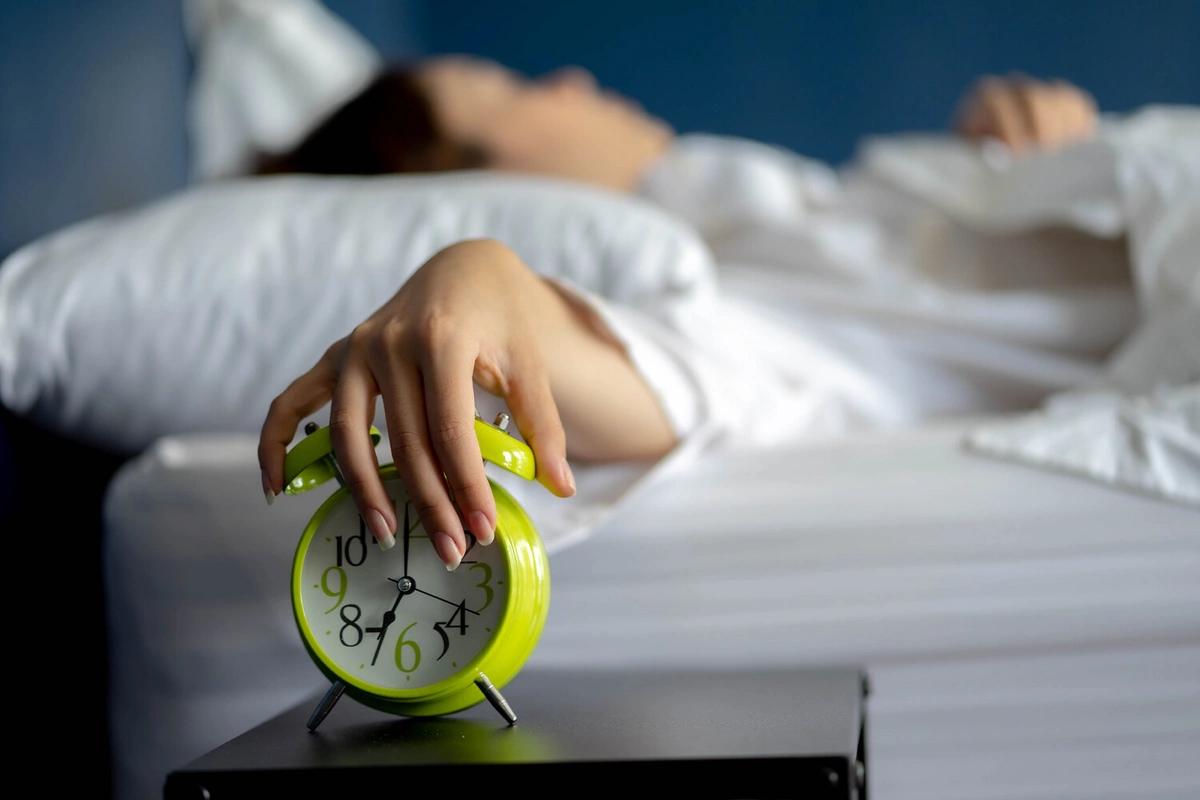
On social media, you can increasingly see the "recipe for success": waking up at 5 AM, a cold shower, a run at dawn, and planning the day. It is believed that this is exactly how highly effective people live. However, research shows that there is no universal benefit from early rising — much depends on a person's biological rhythms. This is reported by the portal The Conversation.
The key concept here is chronotype. It reflects what time of day a person naturally feels alert or sleepy. Genetics plays an important role: studies show that the tendency to be a "lark" or an "owl" is partly inherited. Additionally, chronotype changes with age: teenagers are more inclined to fall asleep later, while older people tend to wake up earlier.
"Larks" easily get up early and feel alert in the morning. "Owls" are more active in the evening and at night. Most people fall somewhere in between.
Research does indeed show that morning-type people more often demonstrate better academic results, are less likely to abuse alcohol and nicotine, and are more likely to exercise. At the same time, "owls" on average more frequently report burnout and deteriorating well-being.
However, scientists explain this not by an innate advantage of "larks," but by the characteristics of the social environment. Modern work and education are organized around early starts. When biological rhythms align with the social schedule, maintaining productivity is easier. Otherwise, a chronic mismatch arises — the so-called "social jet lag."
Social jet lag is associated with sleep deprivation, fatigue, and increased stress. It is also linked to a higher risk of diabetes, hypertension, and obesity. For "owls," forced early rising can amplify this discrepancy, leading to decreased concentration and worsened mood.
Attempts to abruptly switch to early rising sometimes produce short-term effects due to motivation and novelty. But chronotype is difficult to change: it is determined by circadian rhythms and genetics. Over time, the biological mismatch becomes more noticeable.
Experts advise first determining your own chronotype. To do this, it is helpful to keep a sleep diary on workdays and weekends, track energy levels, and note natural wake-up times. If falling asleep takes less than 30 minutes, the chosen time is likely suitable. If it takes more than an hour, the schedule may not match your internal clock.
Small shifts are possible: morning light and limiting screens in the evening can help. However, the main conclusion of scientists is this: productivity depends not on the time of waking up, but on how well the daily routine aligns with the body's biological characteristics. It is precisely the alignment with internal rhythms, rather than waking up at 5 AM, that produces sustainable results.
Similar News

The main nutritional principle for heart health has been named
The long-standing debate over what is better for the heart - cutting carbohydrates or reducing fats - may not be as critical as once thought. This is the conclu...