


 Azərbaycanca
  По-русски
  English
 About us
A simple way to reduce the level of "bad" cholesterol in the blood has been named
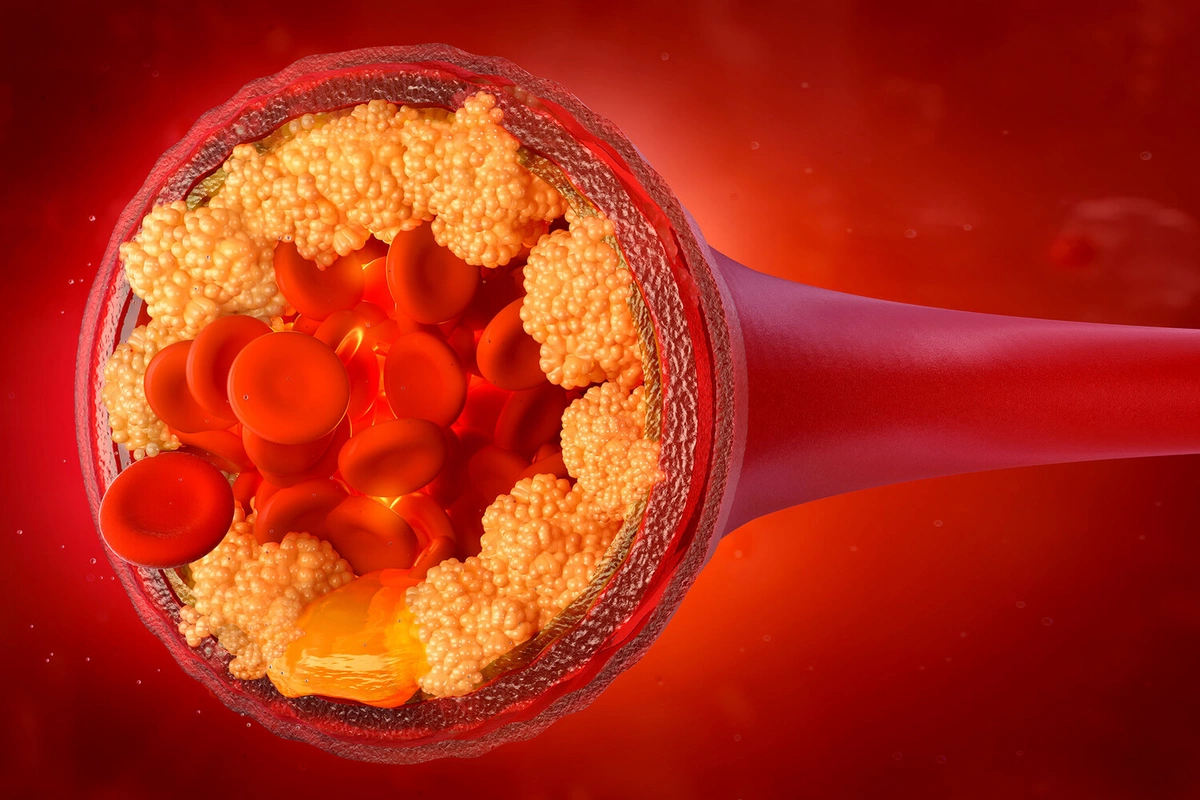
Daily consumption of oat milk may reduce levels of total cholesterol and "bad" LDL cholesterol in the blood. This is the conclusion reached by scientists from the University of Bergen. The results of the study were published in the Nutrition Journal (NutriJ).
Oat milk has become a popular alternative to cow's milk in recent years. However, until now there has been little data on how its regular consumption affects blood lipid levels - one of the key risk factors for cardiovascular disease.
To test this, the researchers conducted an experiment involving 32 women aged 18 to 40. The participants were divided into two groups. Over the course of four weeks, one group drank 600 milliliters of oat milk daily, while the other drank the same amount of skimmed cow's milk.
Before the start of the experiment and after its completion, the participants underwent examination: the scientists measured body parameters, analyzed their 24-hour dietary intake, and took blood samples to assess lipid profiles.
After four weeks, women who consumed oat milk showed a noticeable decrease in total cholesterol and low-density lipoprotein (LDL) cholesterol levels, often referred to as "bad" cholesterol. No such effect was found among the participants who drank cow's milk.
At the same time, levels of "good" cholesterol - high-density lipoproteins (HDL) - and triglyceride concentrations remained virtually unchanged in both groups.
The researchers attribute the observed effect to the specific composition of oat milk. It contains beta-glucans - soluble dietary fibers that can lower cholesterol levels by affecting its absorption and metabolism in the body.
According to the authors of the study, the results show that replacing cow's milk with oat milk may be a simple way to improve lipid profiles - at least in healthy young women. However, the scientists emphasize that larger-scale studies involving different population groups are needed to confirm this effect.

Similar News

6 Most Common Causes of Hair Loss Named
Increased hair loss may be linked not only to hair care or age-related changes, but also to internal problems in the body. This is warned by specialists in the...