


 Azərbaycanca
  По-русски
  English
 About us
A dangerous consequence of vitamin D deficiency has been identified for women

Women with vitamin D deficiency may have a harder recovery after breast cancer surgery: such patients more frequently experience moderate postoperative pain and require greater amounts of pain medication. This was the conclusion reached by an international team of researchers. The study was published in the journal Regional Anesthesia (RA).
The scientists note that vitamin D may play a role in regulating pain sensitivity due to its influence on the immune system and its anti-inflammatory properties. At the same time, its deficiency is common among breast cancer patients.
The study was conducted at Fayoum University Hospital in Egypt from September 2024 to April 2025. It included 184 women who were scheduled for radical mastectomy—surgery to remove the breast. Half of the participants had vitamin D deficiency (less than 30 nmol/L), while the remaining had levels above this threshold. The average age of the women was 42–44 years.
During surgery, all patients received fentanyl for acute pain control, and intravenous paracetamol was administered after the procedure. In addition, women could self-administer tramadol as needed using a patient-controlled analgesia system.
It was found that patients with vitamin D deficiency were approximately three times more likely to experience moderate or significant pain during the first 24 hours after surgery. Notably, severe pain (7 points or higher on a ten-point scale) was not observed in either group—the differences pertained specifically to moderate pain.
Women with low vitamin D levels also required greater amounts of opioid pain medication. During surgery, they needed on average 8 mcg more fentanyl. After the procedure, the difference was considerably more pronounced: tramadol consumption was approximately 112 mg higher compared to patients without deficiency.
In addition, postoperative nausea was more frequently observed in patients with deficiency. Vomiting occurred only in this group; however, the differences were not statistically significant.
The authors emphasize that the study was observational in nature and does not prove a direct causal relationship. The researchers did not account for cancer stage, anxiety, sleep disturbances, previous treatment, and a number of other factors that could have influenced the results.
Nevertheless, the researchers suggest that patients with vitamin D levels below 30 nmol/L may benefit from correcting the deficiency before surgery in order to reduce the severity of postoperative pain and the need for opioids.

Similar News
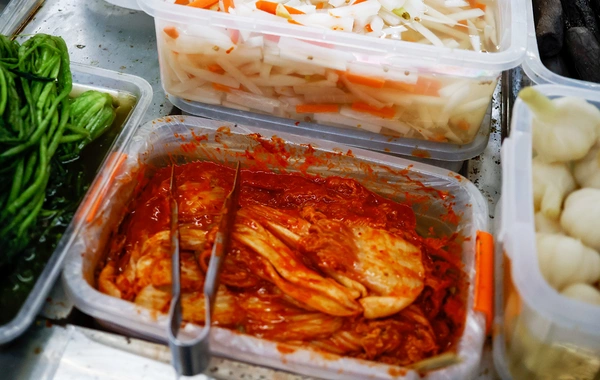
A popular product capable of removing microplastics from the body has been named
South Korean scientists have discovered a probiotic bacterium in kimchi capable of binding nanoplastics in the gut and facilitating their removal from the body....