

 Azərbaycanca
  По-русски
  English
 About us
Scientists Were Astonished by an Unexpected Medical Technology of Ancient China
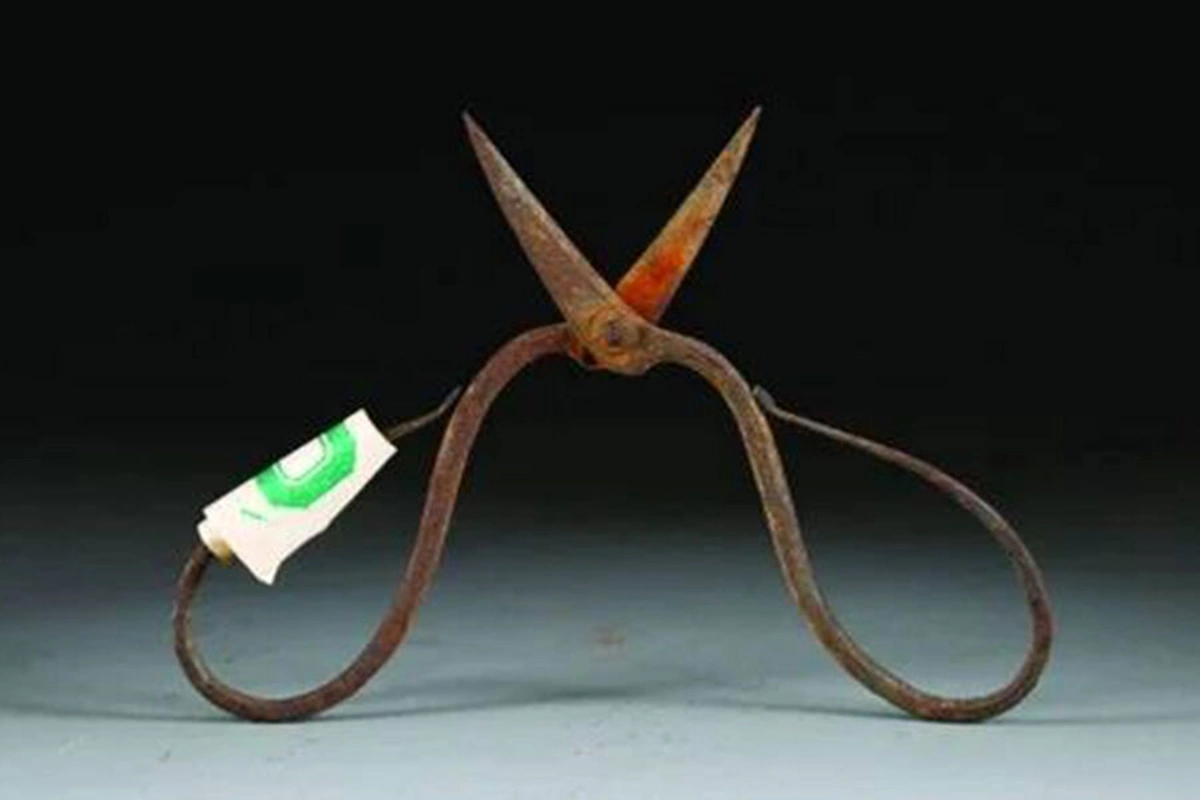
Archaeologists and chemists have discovered possible traces of an anesthetic substance on ancient surgical instruments from China, which could become the first direct evidence of the use of pain relief in surgery many centuries ago. The results of the study have been published in the scientific journal Antiquity.
As reported by BAKU.WS citing foreign researchers, the findings involve iron scissors and tweezers discovered back in the 1970s in the tomb of surgeon Xia Quan, who lived during the Ming Dynasty. On the surface of the instruments, scientists found microscopic reddish particles whose origin had long remained a mystery.
Modern analysis using high-precision microscopy revealed the presence of aconitine — a toxic substance found in plants of the genus Aconitum, known as wolfsbane or monkshood. According to one of the study's authors, Zhao Congcang, this is the first chemical confirmation of the use of anesthetic agents on ancient medical instruments.
Experts note that today aconitine is considered a dangerous poison; however, historical sources indicate that Chinese physicians knew how to reduce its toxicity through special processing and use it for local anesthesia.
Traces of the substance were found in hard-to-reach parts of the instruments, where remnants of preparations could have been best preserved. According to the scientists, the discovery confirms the high level of medical knowledge in Ming Dynasty China and shows that surgeons of that era possessed not only surgical techniques but also methods of safe pain relief.

Similar News

The author of the "prophetic" episode of "The Simpsons" decided to run for president of the United States
Screenwriter Dan Greaney, known as the author of one of the most discussed episodes of the animated series "The Simpsons" about Donald Trump's future presidency...