

 Azərbaycanca
  По-русски
  English
 About us
Following the results of WUF13, the "Baku Call to Action" has been adopted
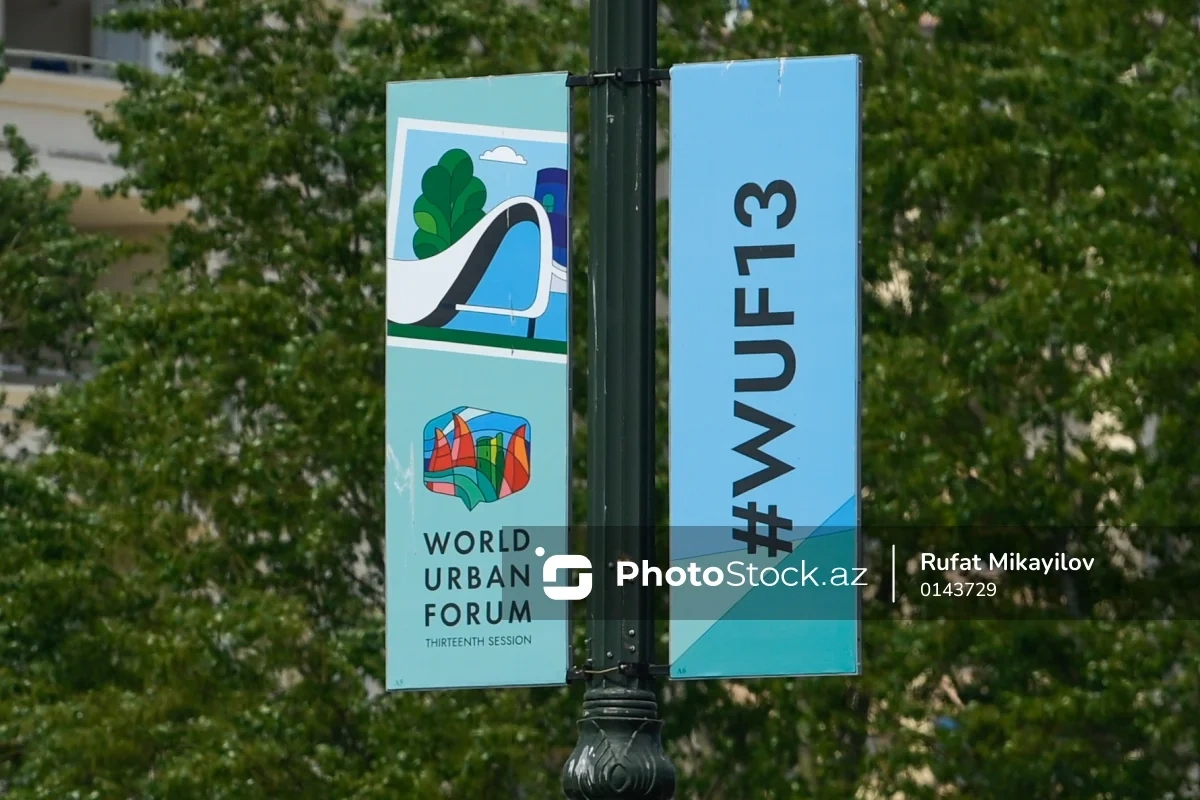
Following the conclusion of the 13th session of the World Urban Forum (WUF13), which ended today in Baku, the final version of the "Baku Call to Action" has been published.
As reported by Oxu.Az, the "Baku Call to Action" is the outcome document of the forum, prepared by stakeholders and calling for renewed efforts to address the growing global housing crisis.
The document was developed through a broad and inclusive consultation process and reflects the priorities and recommendations shaped during discussions at WUF13 and in the months leading up to the forum.
The forum was attended by over 57,000 people (including over 3,000 online participants) from 176 countries, as well as representatives of local authorities, various organizations, civil society, business, researchers, and practitioners. The document resulted from one of the most extensive and diverse stakeholder engagement processes in the forum's history.
"The Baku Call to Action is not an intergovernmentally negotiated agreement, but rather reflects common priorities and practical measures that emerged from discussions and proposals within the forum. The document is intended to serve as a roadmap for collective responsibility and closer cooperation in addressing housing challenges across different contexts," the WUF13 website states.
A call to rethink housing systems
One of the key messages of the "Baku Call to Action" is the assertion that housing cannot be viewed solely as building homes. The document calls for the development of housing systems more closely linked to issues of land use, infrastructure, transportation, public services, and economic opportunities.
During discussions at WUF13, it was repeatedly emphasized that the housing crisis is shaped by interconnected factors, including rising prices, land speculation, forced displacement, weak governance systems, and the impacts of climate change. The "Baku Call to Action" stresses that addressing these challenges requires moving away from fragmented approaches in favor of more integrated and people-centered solutions.
Housing and climate justice are inseparable
The document also pays significant attention to the growing interconnection between housing and climate change. It emphasizes that the communities most exposed to housing insecurity are often the very ones most vulnerable to climate risks, including flooding, extreme heat, and environmental degradation.
The Call to Action recommends intensifying investments in climate-resilient housing systems through approaches such as nature-based solutions, upgrading and renovation of existing housing, community-led initiatives, and enhanced disaster preparedness.
From commitments to implementation
Beyond identifying existing challenges, the document places particular emphasis on implementation and collective responsibility. It calls for strengthening multilevel governance, expanding financing mechanisms, improving access to data, enhancing support for local authorities, and broadening opportunities for communities to implement solutions on the ground.
As was repeatedly noted during WUF13, many cities and communities around the world are already developing effective solutions. The "Baku Call to Action" aims to consolidate this experience and transform it into collective action beyond the forum.
Similar News
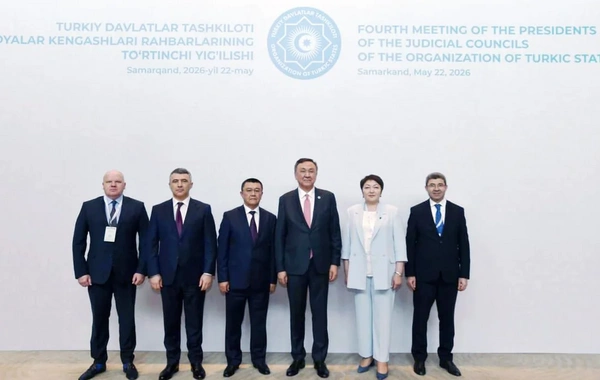
The 4th meeting of the Chairs of Judicial Councils of the OTS member states was held in Samarkand
The 4th meeting of the Chairpersons of the Judicial Councils of the member states of the Organization of Turkic States (OTS) was held in the city of Samarkand o...