


 Azərbaycanca
  По-русски
  English
 About us
This drug reduces "bad" cholesterol by 60%
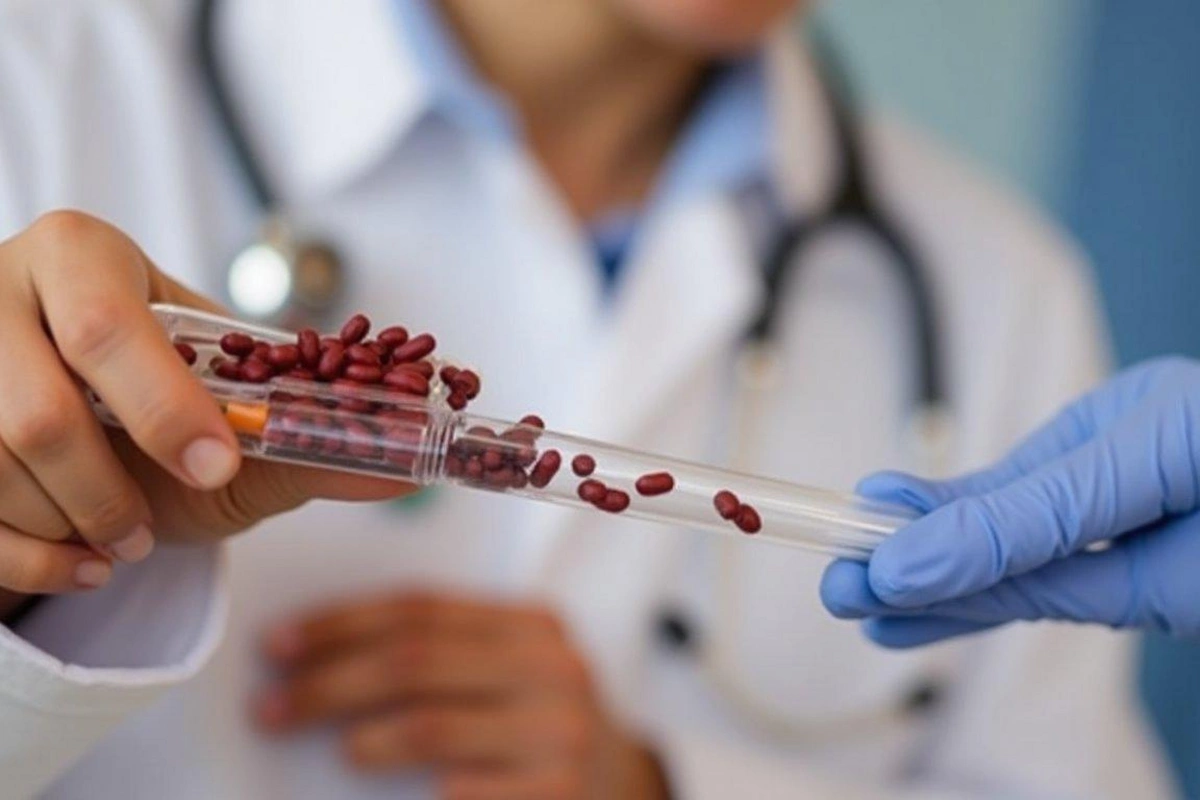
Scientists have presented data on a new experimental drug capable of significantly lowering "bad" cholesterol (LDL) levels in patients at increased risk of heart attack, including those already undergoing statin therapy.
As reported by BAKU.WS, the study results have been published in the authoritative medical journal New England Journal of Medicine (NEJM).
The drug in question is enlicitide, which features a fundamentally new format of administration. In terms of effectiveness, it is comparable to modern injectable cholesterol-lowering medications, but is available in tablet form. If approved by the U.S. Food and Drug Administration (FDA), the drug could significantly simplify treatment for millions of patients, eliminating the need for regular injections.
Despite the fact that statins remain the baseline therapy and reduce cholesterol production in the liver, some patients cannot achieve target LDL levels even at maximum doses. In such situations, doctors have to prescribe additional medications, often in the form of expensive injections.
The clinical trial involved over 2,900 people with high cardiovascular risk. Participants were randomly divided into two groups: one received enlicitide in addition to standard treatment, while the other received a placebo. After six months, patients in the first group saw their LDL levels decrease by an average of 50-60 percent.
The study leader, cardiologist Ann Marie Navar from the University of Texas Southwestern Medical Center, noted that while other tablet medications exist as supplements to statins, none of them demonstrates such a pronounced LDL-lowering effect.
Observations showed that the achieved result was maintained after one year as well, decreasing only slightly. At the same time, no significant safety differences between the groups were identified. The only condition is that the drug must be taken on an empty stomach.
The study was funded by Merck, which is already preparing a document package for expedited FDA review of enlicitide. The drug has been included in the priority review program.
Boston University cardiologist William Boden emphasized that the obtained data appears promising and is comparable to the effect of injectable medications, however, final conclusions can only be drawn after evaluating the drug's impact on mortality and the frequency of cardiovascular complications.
A separate large-scale study involving more than 14,000 patients is already being conducted for this purpose, with results expected in the coming years.

Similar News

Rain is expected in the regions of Azerbaijan tomorrow
Variable cloudiness is expected in Baku and on the Absheron Peninsula on September 19, predominantly without precipitation. This is reported by BAKU.WS with ref...