


 Azərbaycanca
  По-русски
  English
 About us
Scientists explained how to protect teeth from sweets
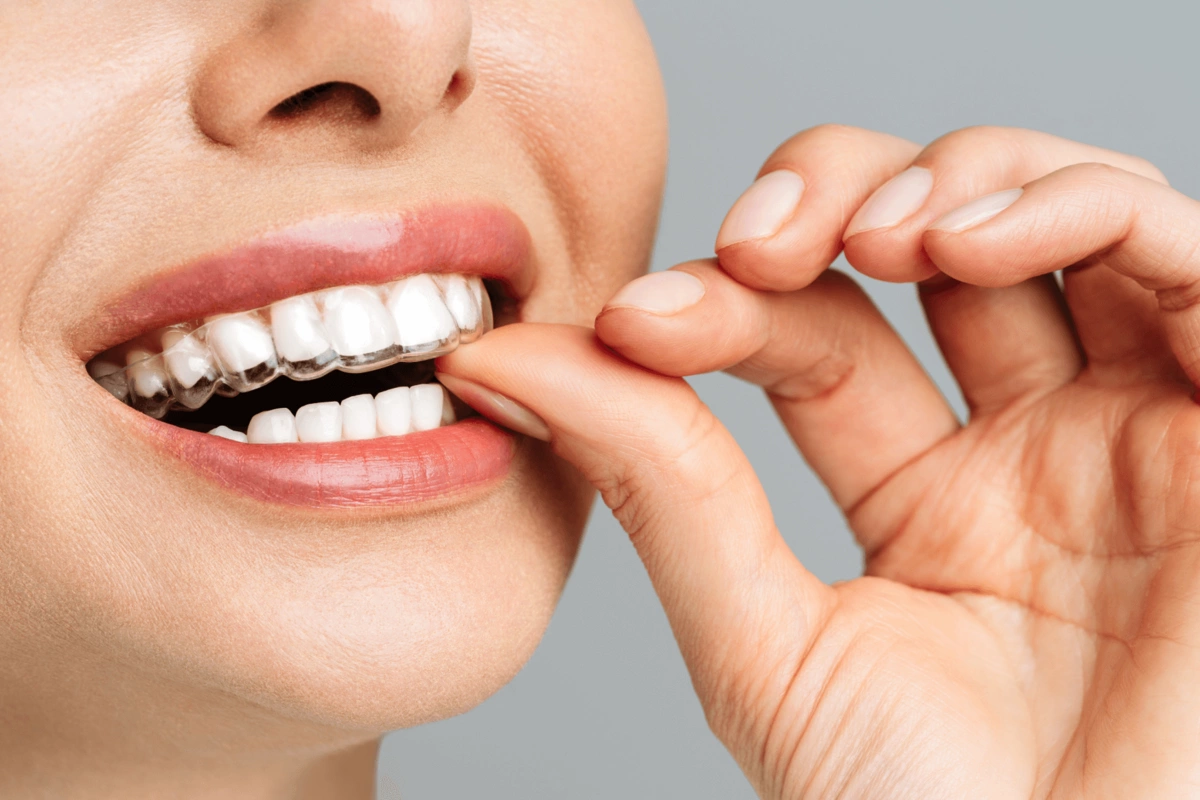
The end of the year traditionally brings an excess of sweets. But what exactly happens to teeth in the first minutes and hours after a sweet snack? Microbiologists studying oral bacteria have explained how the mechanism of cavity formation begins.
As reported by BAKU.WS, this was published by The Conversation portal.
As soon as sugar enters the mouth, bacteria living on the teeth begin to actively use it for growth and energy production. Just a minute or two after sweet food, the acidity of the oral cavity sharply increases to levels capable of dissolving enamel - the hard protective coating of teeth. It is acids, not sugar itself, that become the main destructive factor.
Normally, the body tries to quickly restore balance. Saliva washes away some sugars and neutralizes acid, while "beneficial" bacteria compete with cariogenic ones, preventing them from completely taking over the space. But if sweets appear in the mouth too often, the protective mechanisms can no longer cope.
The danger lies in the fact that cavity-forming bacteria use sugars not only for growth but also for building a dense sticky film - dental plaque, or biofilm. This is a real "fort" that firmly attaches to the tooth surface and is almost impossible to remove without mechanical cleaning. Under this protection, bacteria continue to produce acid, maintaining a harmful environment and gradually destroying the tooth until a noticeable or painful cavity appears.
To reduce risks, specialists advise eating sweets during meals - the abundant secretion of saliva at this time contributes to the rapid washing out of sugars. You should not snack on sweets throughout the day: constant sugar intake maintains increased acidity for a long time. And, of course, regular hygiene remains a key tool - brushing teeth after eating and daily cleaning of interdental spaces helps remove plaque before it becomes destructive.

Similar News
The mystery that puzzled physicists for 60 years turned out to be solved in an unexpected way
An international team of scientists led by a physicist from Pennsylvania State University has concluded that the famous discrepancy in muon behavior, which for...