


 Azərbaycanca
  По-русски
  English
 About us
Named the element of the nervous system on which the youthfulness of the heart depends

Scientists from the Sant'Anna School of Advanced Studies in Pisa discovered that the right cardiac vagus nerve plays a key role in maintaining the "youth" of the heart, protecting cardiomyocytes and supporting their function regardless of heart rate. The study shows that preserving this innervation slows cellular aging and reduces the risk of cardiac dysfunction.
As reported by BAKU.WS with reference to Science Translational Medicine, the vagus nerve is the main conductor of the parasympathetic nervous system responsible for recovery processes and the "economy mode" of organ function. In the heart, it reduces the load on muscle cells and protects tissue from premature wear. During thoracic surgeries and heart transplantation, the right vagus nerve is often damaged, which disrupts autonomic control and accelerates the development of heart failure.
In an experiment on adult minipigs, scientists showed that early restoration of the right vagus nerve allows preserving the mechanical function of the heart. For this purpose, a biodegradable implantable nerve conduit was used in the form of a cuff made of chitosan (a derivative of chitin from crustacean shells) and the polymer ε-caprolactone. The device guided the growth of nerve fibers and promoted their spontaneous regeneration.
Animals with restored innervation showed improved cardiac muscle contraction parameters, reduced dyssynchrony in relaxation, and decreased signs of oxidative stress and cellular aging. Histological analysis confirmed partial restoration of the vagus nerve, return of parasympathetic fibers to the myocardium, and prevention of fibrosis development - the replacement of muscle tissue with connective tissue.
The authors emphasize that maintaining bilateral vagal innervation of the heart can be considered an important factor in slowing cardiac aging. In the future, the developed nerve conduit could become a new approach to preventing heart failure in patients after chest surgery and cardiothoracic transplantation.

Similar News
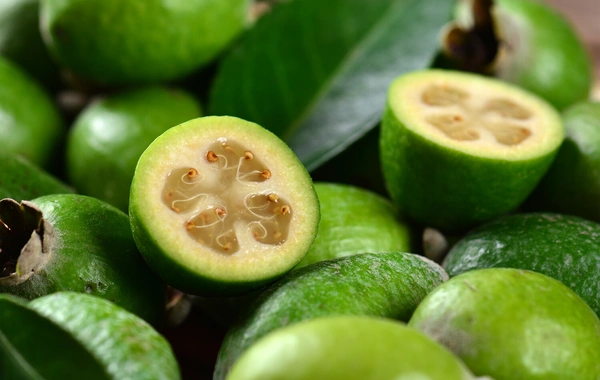
A fruit that helps lower blood pressure has been named
The exotic fruit feijoa has unexpectedly shown benefits for blood pressure: people with prediabetes who took powder made from this fruit saw greater improvement...