

 Azərbaycanca
  По-русски
  English
 About us
This is not art, but vandalism — an attack on the appearance of Baku
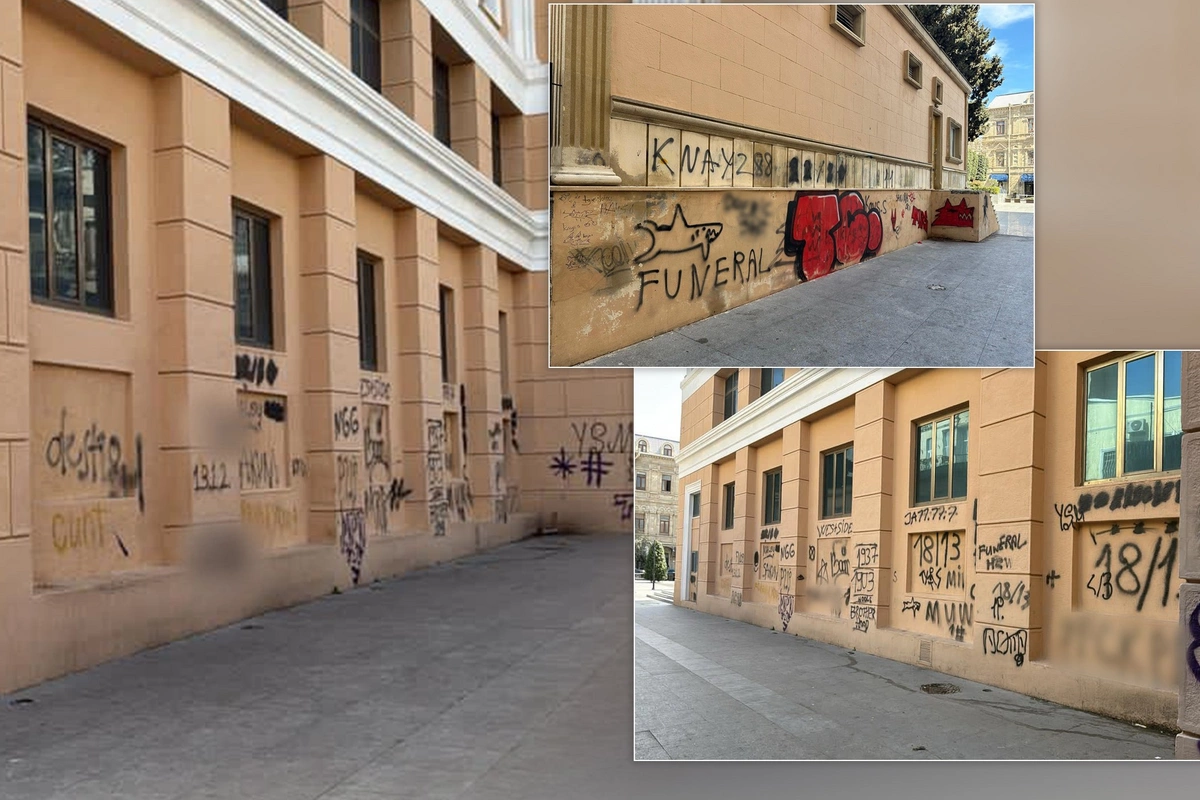
The graffiti sprayed on the wall of the "Nizami" cinema, located in the very heart of Baku, is far more than just a "drawing." What happened is regarded as a blatant act of vandalism directed against the cultural image of the capital.
According to BAKU.WS, such treatment of one of the city's most recognizable and historically significant buildings should not go unnoticed by the public.
Vandalism or "creativity"?
Presenting what happened as mere "youth self-expression" would be fundamentally wrong. Unauthorized interference with the appearance of buildings that hold historical and public value is classified as vandalism in international practice as well. This is neither art nor creativity. It is an act that disfigures the aesthetic appearance of the city and damages public property.
The dark side of a "culture" imported from the West
Graffiti is widespread in a number of cities across the United States and Europe. However, it is far from being viewed positively everywhere. On the contrary, in many major metropolises, the defacement of building walls with inscriptions and drawings has become a serious problem. Historical structures, metro stations, bridges, and residential buildings take on an unsightly appearance due to uncontrolled graffiti. This is precisely why strict fines and laws exist in these countries to combat such behavior.
The graffiti "culture" does not align with the values of Azerbaijan, and especially those of Baku. The capital is renowned for its cleanliness, order, and architectural harmony. This city is recognized not for chaotic scrawls on walls, but for its historical heritage, modern development, and aesthetic appearance.
The beauty of Baku is a national treasure
For many years, Baku has been recognized as a clean and beautiful capital by tourists and international organizations alike. Covering the walls of historic buildings in the city center with meaningless inscriptions means dealing a serious blow to this image. This is not simply about a stained wall — it is a display of disrespect toward Baku's visual identity.
In recent years, large-scale improvement and restoration works have been carried out in the capital, thanks to which Baku has acquired a new look. Streets, parks, and historic buildings have been restored, and the city has essentially been rebuilt. Under these circumstances, graffiti is a blatant disrespect for the resources and labor invested by the state and its citizens.
Youth and the question of responsibility
The young age of those who committed this act does not diminish the degree of responsibility — on the contrary, it raises even more serious questions. In the modern world, opportunities for creative self-expression among young people are quite broad — digital platforms, exhibition spaces, art projects, and much more. However, causing damage to someone else's property is not creativity — it is destruction. It is also a matter of upbringing and social responsibility.
Parents should pay closer attention to their children's behavior. From an early age, children and teenagers need to be instilled with respect for public property, patriotism, aesthetic taste, and a sense of responsibility. What happens on the street is a direct reflection of the upbringing received at home.
Similar News

Leyla Aliyeva and Alyona Aliyeva visited the Social Rehabilitation Center
Vice President of the Heydar Aliyev Foundation, founder and head of the IDEA public association Leyla Aliyeva and daughter-in-law of the President of Azerbaijan...