

 Azərbaycanca
  По-русски
  English
 About us
Brussels sees Nakhchivan railway project as key to Middle Corridor development
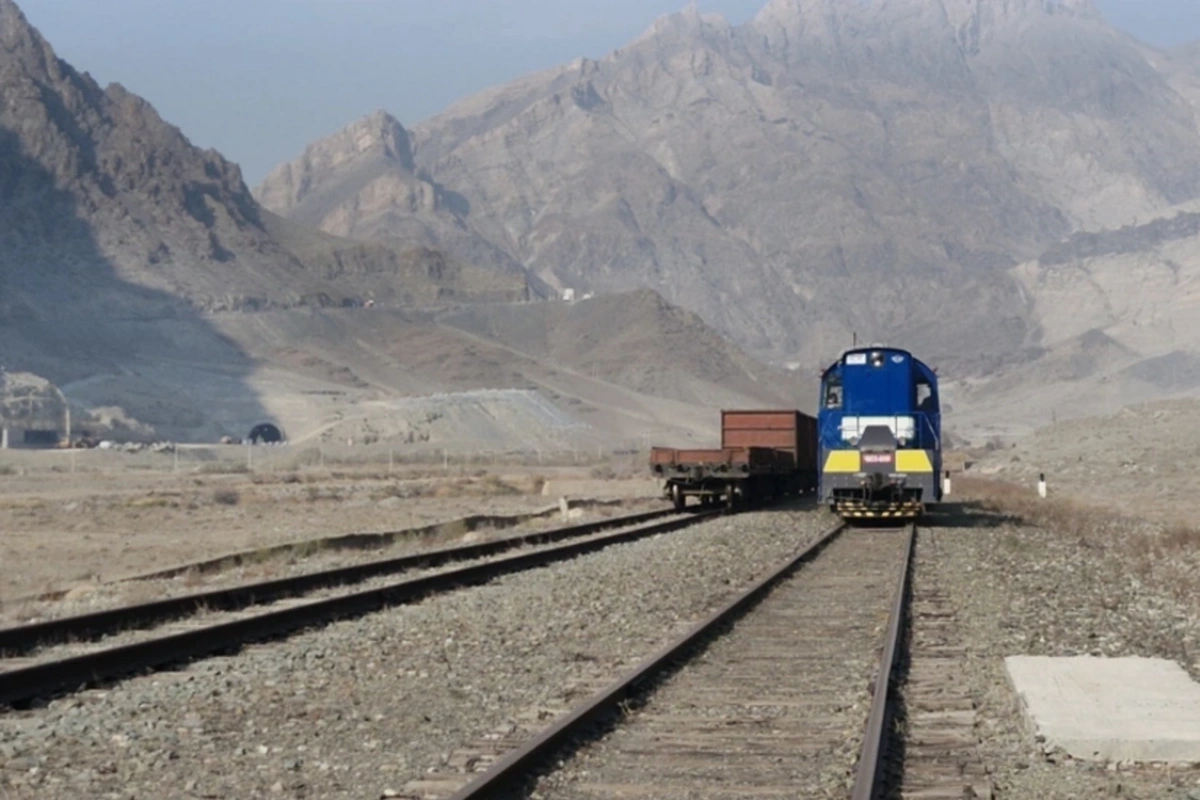
The European Union considers the development of the railway network in Nakhchivan as a strategic priority capable of transforming geopolitical interests into concrete infrastructure solutions and becoming the foundation for long-term peace and economic growth in the South Caucasus region.
As reported by BAKU.WS, this was stated to Report by an official representative of the European Commission.
According to him, the project complements the TRIPP initiative ("Trump Route"), which is being implemented by the United States and which allows connecting the main territory of Azerbaijan with its Nakhchivan Autonomous Republic through Armenia.
"Together with Azerbaijan, we share an ambitious vision of transport connectivity that strengthens peace and stability, modernizes infrastructure, and unlocks the potential of the Trans-Caspian Transport Route (Middle Corridor)," the European Commission noted.
In Brussels, it was emphasized that the recent agreement between the EU, Azerbaijan, and the EBRD on preparing a feasibility study for the railway project in Nakhchivan is a concrete example of such cooperation.
According to the agency's interlocutor, the project is viewed as a key investment in the development of mobility and economic flows not only in Azerbaijan but also throughout the region. It is an integral part of the Middle Corridor, for which the target transit time between Europe and Central Asia is 15 days.
"Along with investments in 'hard' infrastructure, we will also support the development of 'soft' infrastructure, as well as the harmonization of the regulatory framework in accordance with the EU and partners' connectivity agenda," the EC representative added.
In informal conversations, EU representatives involved in regional connectivity projects expressed hope for the prompt preparation of the feasibility study. This, according to them, will allow moving to substantive negotiations on possible EU participation in the project as an investor.
"The European Union does not want to remain on the sidelines of regional projects that directly affect its economy. After all, the Trans-Caspian route, or otherwise the Middle Corridor, in its western part leads precisely to the EU. The bloc is interested both in its expansion and in the prompt commissioning of new capacities," the sources emphasized.
As was noted, work in this direction continues and is quite active, although it may not be very visible. In particular, the current visit of European Commissioner Marta Kos to Ankara is also aimed at strengthening energy and transport ties with Turkey - a key link of the Middle Corridor.
Similar News
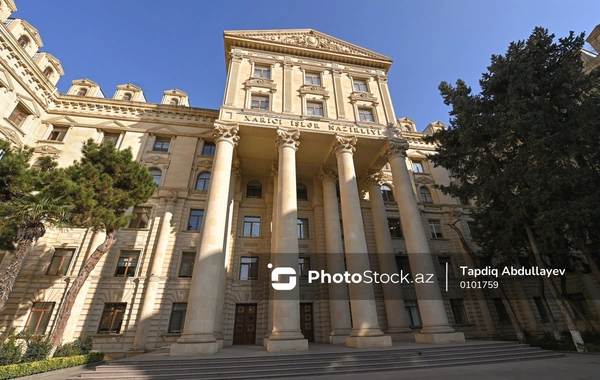
Russia's Ambassador in Baku Summoned to Azerbaijan's Foreign Ministry
Russian Ambassador to Azerbaijan Mikhail Yevdokimov was summoned to the Ministry of Foreign Affairs of Azerbaijan on February 6, 2026. As Report conveys, this i...