

 Azərbaycanca
  По-русски
  English
 About us
Scientists have found that the African continent will split apart sooner than expected
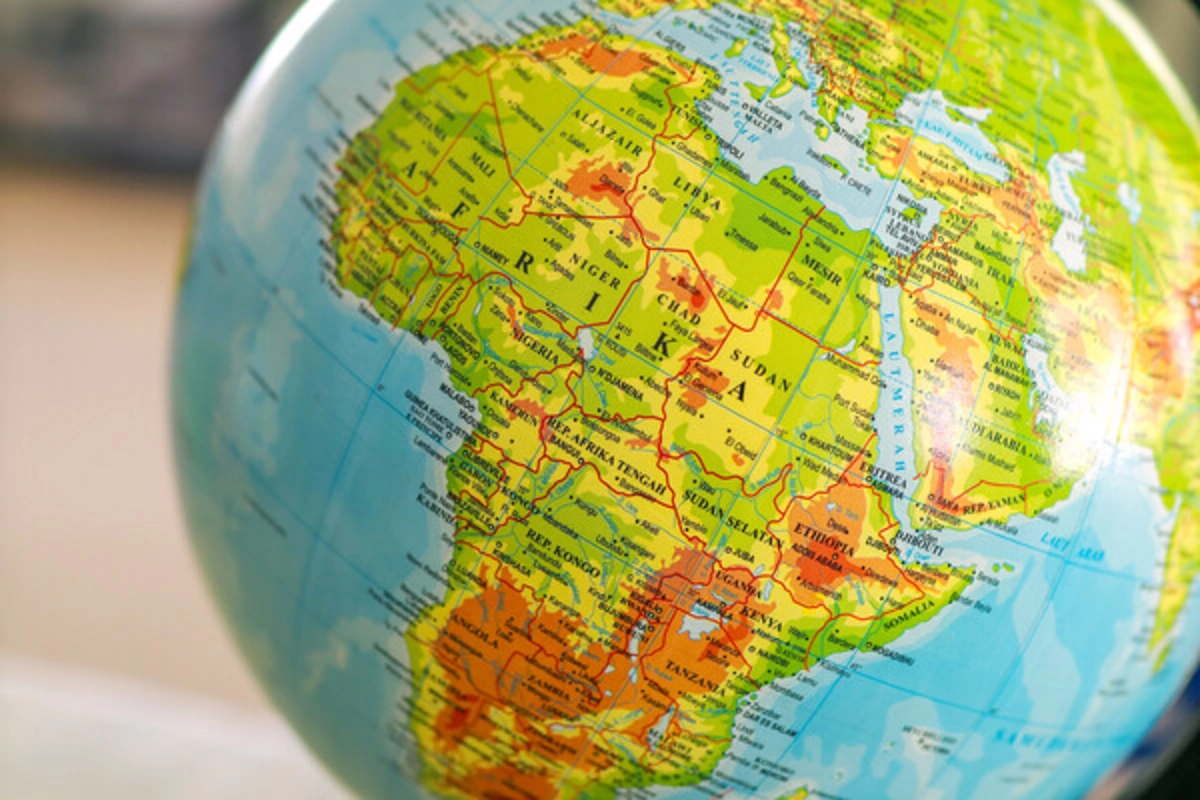
Geologists have concluded that the process of the African continent splitting apart is progressing more actively than previously assumed, although the final formation of a new ocean will still take millions of years. Experts reached this conclusion after studying the East African Rift System. The research was published in the journal Nature Communications.
As reported by BAKU.WS, the phenomenon in question is rifting — the gradual divergence of tectonic plates. Currently, the African Plate is already splitting into two major parts: the Nubian and Somali plates. In the long term, a new ocean may form between them.
Researchers paid particular attention to the Turkana Rift Zone, located in the regions of Kenya and Ethiopia. Seismic analysis showed that the thickness of the Earth's crust in the central part of the rift is approximately 13 kilometers, while at the edges it exceeds 35 kilometers.
According to scientists, such significant thinning is considered an important sign of an approaching split. Experts explain that when the crustal thickness decreases to approximately 15 kilometers, a stage begins after which the continental breakup becomes virtually irreversible. Geologist Christian Rowan noted that the region under study has already approached this threshold.
Experts believe that as further changes progress, magma will begin rising from the depths of the planet, which over time will form new oceanic crust. Subsequently, waters from the Indian Ocean may penetrate into this area, leading to the emergence of a new oceanic basin. Similar processes are already being observed in the Afar Depression in northeastern Africa.
Scientists emphasize that even the accelerated development of the rift system remains extremely slow by human standards and will span millions of years. Additionally, active geological changes, according to researchers, may have played an important role in the preservation of ancient fossils and remains of early human ancestors due to the rapid accumulation of sedimentary rocks.


Similar News

There is an activity that can reduce the risk of Alzheimer's disease by a third: it costs almost nothing
Scientists at the University of Cambridge analyzed research data on the effects of reading on the brain and mental health. It turned out that regular reading ca...