


 Azərbaycanca
  По-русски
  English
 About us
Scientists questioned the main cause of a common type of stroke
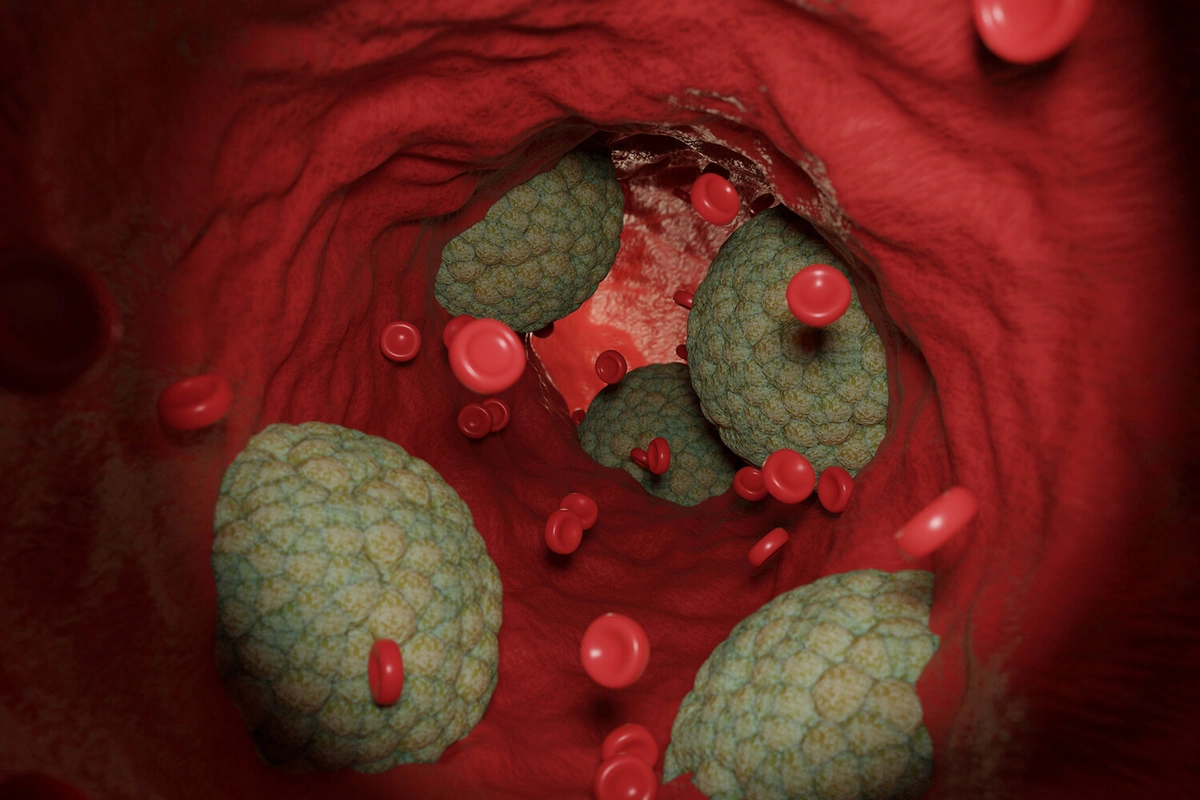
Dilation of brain arteries, rather than their blockage by fatty deposits, may be one of the key causes of stroke associated with small vessel disease of the brain. This is the conclusion reached by scientists from the University of Edinburgh and the UK Dementia Research Institute. The results of the study have been published in the journal Circulation.
Lacunar stroke accounts for approximately a quarter of all ischemic strokes — conditions that occur when blood supply to the brain is disrupted. Until now, it was believed that atherosclerosis — the accumulation of fatty plaques that narrow the vessel lumen — played the primary role in its development.
However, the new study has shown that this mechanism is probably not the key one. Scientists identified a strong association between the disease and dilation and expansion of brain arteries — a vascular abnormality in which vessel walls lose their normal shape.
The authors analyzed data from 229 patients who had suffered a lacunar or mild non-lacunar stroke. Participants underwent MRI, clinical, and cognitive examinations at the time of the stroke and one year afterward. The researchers compared the influence of two factors: narrowing of large arteries and pathological dilation of brain vessels.
It was found that fatty narrowing of arteries was not associated with either lacunar stroke or small vessel damage. On the contrary, patients with dilated arteries had a more than fourfold higher risk of lacunar stroke.
In addition, vessel dilation correlated with more rapid brain tissue damage and an increased risk of so-called silent strokes — small areas of damage that can develop without noticeable symptoms but over time impair memory and cognitive function.
According to the researchers, the findings help explain why aspirin and other antiplatelet drugs often prove ineffective for the prevention of lacunar stroke. Scientists are now testing new therapeutic approaches as part of the LACI-3 trial, which is studying the effects of drugs that directly target the small vessels of the brain.


Similar News

A protein has been found that causes fatty food to harm the brain
Fatty food harms more than just the figure: in mice, it reduces levels of the protein PQBP1 in the brain cortex, disrupting connections between neurons and impa...