


 Azərbaycanca
  По-русски
  English
 About us
Scientists admitted they were wrong about the nature of kidney stones all along
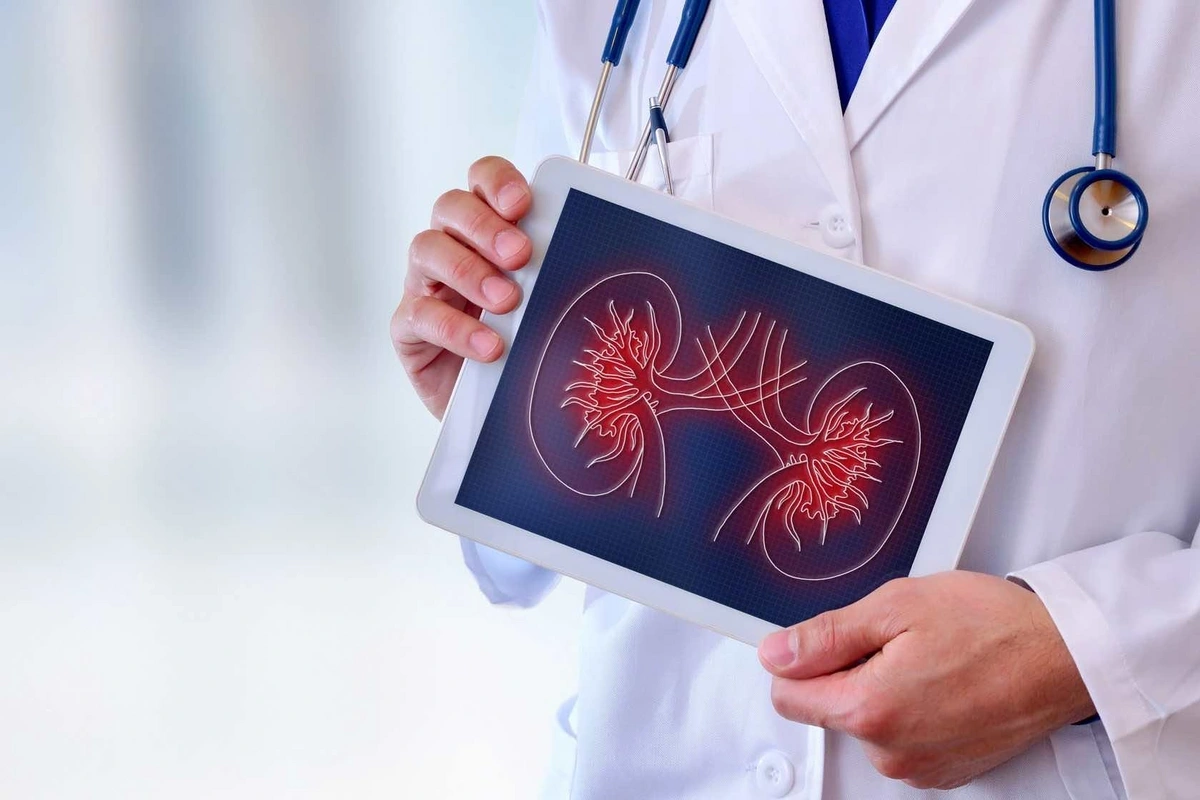
Scientists have discovered for the first time that even so-called non-infectious kidney stones can contain bacteria. This concerns calcium oxalate stones - the most common type of urolithiasis. The study was conducted by a group of specialists from the University of California, Los Angeles. The work was published in the journal Proceedings of the National Academy of Sciences (PNAS).
Kidney stones have traditionally been considered the result of purely chemical and physical processes: high concentrations of salts and minerals in urine and insufficient fluid intake. After such stones are passed, doctors typically do not view them as an infection-related problem. However, new data calls this notion into question.
Using electron and fluorescence microscopy, researchers studied calcium oxalate stones removed from patients and discovered clusters of bacteria within their structure. Moreover, the microorganisms were embedded in the internal "architecture" of the stone in the form of layers and biofilms. This was observed even in patients who had not been diagnosed with urinary tract infections.
"This discovery refutes the established view that such stones form exclusively due to chemical and physical factors. We have shown that bacteria can hide inside stones and possibly actively participate in their formation," explained urologist Kimora Scotland from the University of California.
According to the study authors, the presence of bacteria may partially explain why some people develop kidney stones again and again despite treatment and lifestyle changes. In such cases, the source of the problem may be a hidden bacterial infection in the kidneys, ureters, or bladder.
"We have identified a new mechanism of stone formation that helps explain why they are so widespread. This may also explain the connection between recurrent urinary tract infections and repeated stone formation," noted Kimora Scotland.
According to statistics, approximately one in eleven people experiences kidney stones at least once in their lifetime, and more than 70% of cases involve calcium oxalate formations. If further research confirms the key role of bacteria, approaches to prevention and treatment of urolithiasis may change - with greater attention to the microbial environment and hidden infections.
The authors emphasized that their findings open the path to new therapeutic strategies aimed not only at the chemical composition of urine but also at controlling bacterial processes occurring inside the kidneys.
Similar News
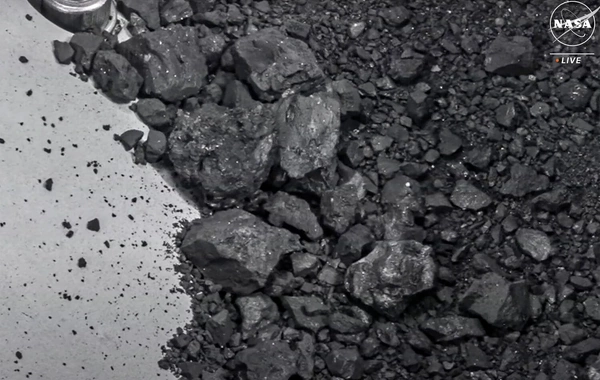
An unexpected find was discovered in asteroid samples
Scientists have discovered that the material of asteroid Bennu is far more complex than previously thought: at the nanoscale, it is divided into several chemica...