


 Azərbaycanca
  По-русски
  English
 About us
Found an unexpected dementia provocateur in the brain
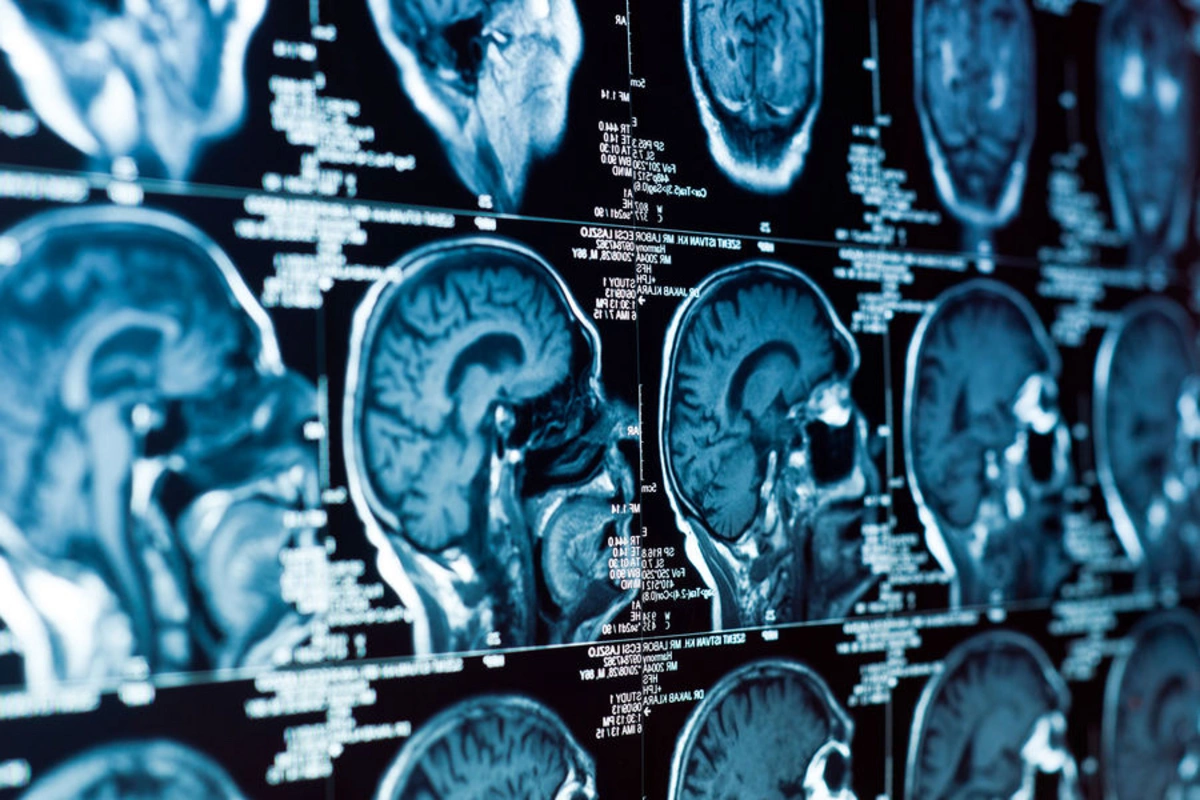
Molecules that form in astrocytes - supporting cells of the central nervous system - may play a key role in the development of dementia. This conclusion was reached by scientists from the Weill Cornell Medical Center.
The results of the study are published in the journal Nature Metabolism, reports BAKU.WS with reference to Gazeta.ru.
The researchers focused on mitochondria - organelles responsible for producing energy and reactive oxygen species (ROS). Normally, a small amount of ROS helps maintain brain function, but their excessive accumulation leads to damage to cellular structures.
Scientists have discovered that excess ROS are formed not in neuronal mitochondria, but in astrocytes, which closely interact with nerve cells. During experiments, the use of the compound S3QEL, which suppresses ROS release, protected neurons - and this effect was only manifested in the presence of astrocytes. This confirmed their important role in the development of inflammatory processes and neuronal damage.
Excess ROS oxidize proteins that regulate immune response and metabolism, and also change the activity of a large number of genes, including those associated with neurodegenerative diseases. The use of S3QEL effectively blocked this process, while standard antioxidants did not give similar results.
Experiments on mice with frontotemporal dementia showed that S3QEL reduces inflammation, decreases the toxicity of pathological proteins, and even prolongs the life of animals - even if treatment was started after symptoms appeared.
Researchers hope that S3QEL in the future may become the basis of a new therapy for patients with dementia, however, additional clinical studies are needed to assess its safety and effectiveness in humans.


Similar News
The forgotten particle explained to astrophysicists why the Universe exists
Matter defeated antimatter thanks to a heavy neutrino that physicists had considered an inconsequential detail for decades. Due to its slow decay, the particle...