


 Azərbaycanca
  По-русски
  English
 About us
A doctor explained how many years it takes for prediabetes to become diabetes
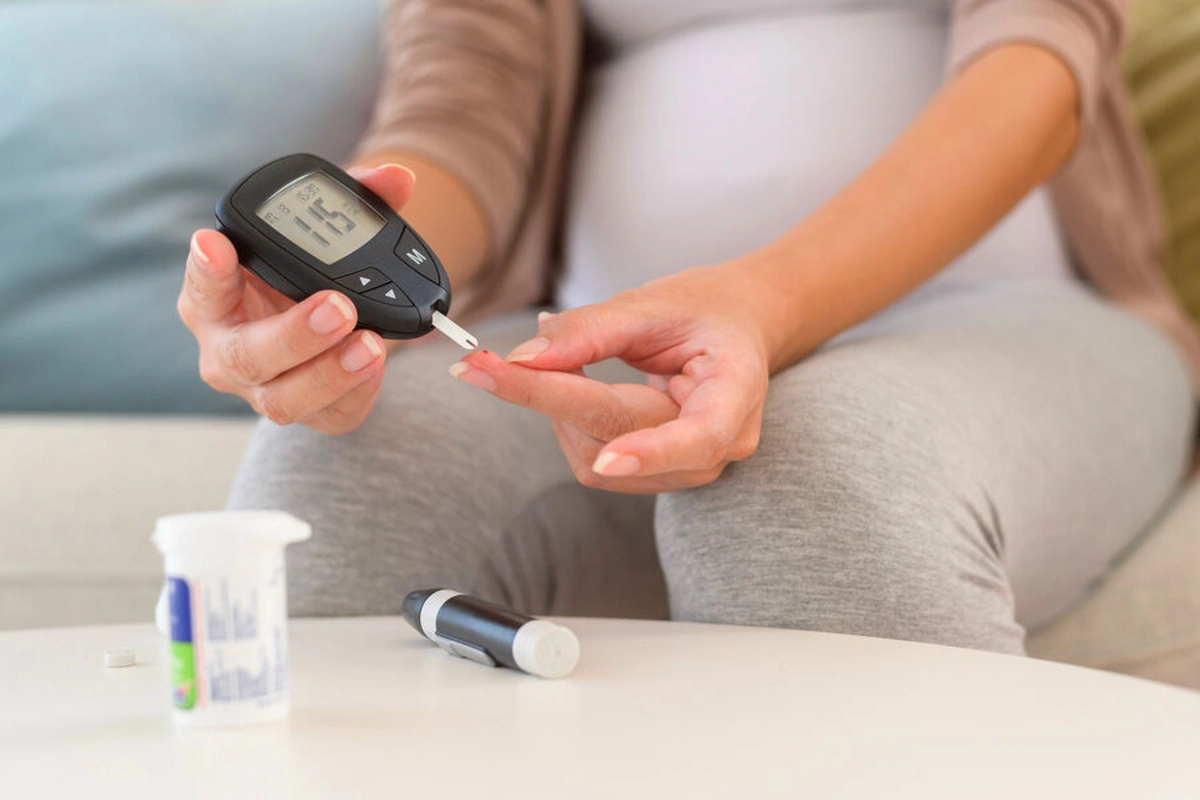
Prediabetes can progress to diabetes within a few years, specialists warn.
As reported by BAKU.WS with reference to "Gazeta.Ru," according to Russian endocrinologist Natalya Sevastyanova, a staff member of the Russian Gerontological Research and Clinical Center at Pirogov University, prediabetes can on average progress to diabetes mellitus within five to seven years.
Prediabetes is a disorder of carbohydrate metabolism in which blood glucose levels already exceed the norm but have not yet reached the diagnostic thresholds for diabetes mellitus. Medical professionals warn that this condition is considered a precursor to type 2 diabetes and requires special attention to one's health.
According to the specialist, even at the early stage of metabolic disorders, serious risks to the body can arise. These include an increased likelihood of cardiovascular diseases, elevated blood pressure, disrupted lipid metabolism, as well as complications typically associated with diabetes: damage to the retina, nerve endings, and kidneys.
The Russian expert notes that the danger of prediabetes lies primarily in its hidden course. Symptoms are often mild or entirely absent, yet elevated sugar levels are already gradually damaging blood vessels and the nervous system. This is precisely why many people learn about the problem accidentally — during routine medical check-ups or when measuring glucose levels with a glucometer.
Specialists classify people with excess weight and obesity, those who lead a sedentary lifestyle, and individuals over 40 years of age as being in the high-risk group. Medical professionals emphasize that timely diagnosis and lifestyle modifications can significantly reduce the likelihood of developing diabetes.
Experts also note that diagnostic criteria for prediabetes may vary across different countries and medical organizations. For example, the World Health Organization and the Russian Association of Endocrinologists place emphasis on the oral glucose tolerance test, whereas the American Diabetes Association uses a lower fasting glucose threshold — approximately 5.5 mmol/L. Some specialists consider glycated hemoglobin levels to be the most convenient indicator, as its measurement does not require any special preparation from the patient.
Medical professionals emphasize that the key preventive measures remain dietary changes, increased physical activity, and regular monitoring of health indicators.


Similar News

A protein has been found that causes fatty food to harm the brain
Fatty food harms more than just the figure: in mice, it reduces levels of the protein PQBP1 in the brain cortex, disrupting connections between neurons and impa...