

 Azərbaycanca
  По-русски
  English
 About us
Oil at $119: Will the Middle East Crisis Increase Azerbaijan's Revenues?
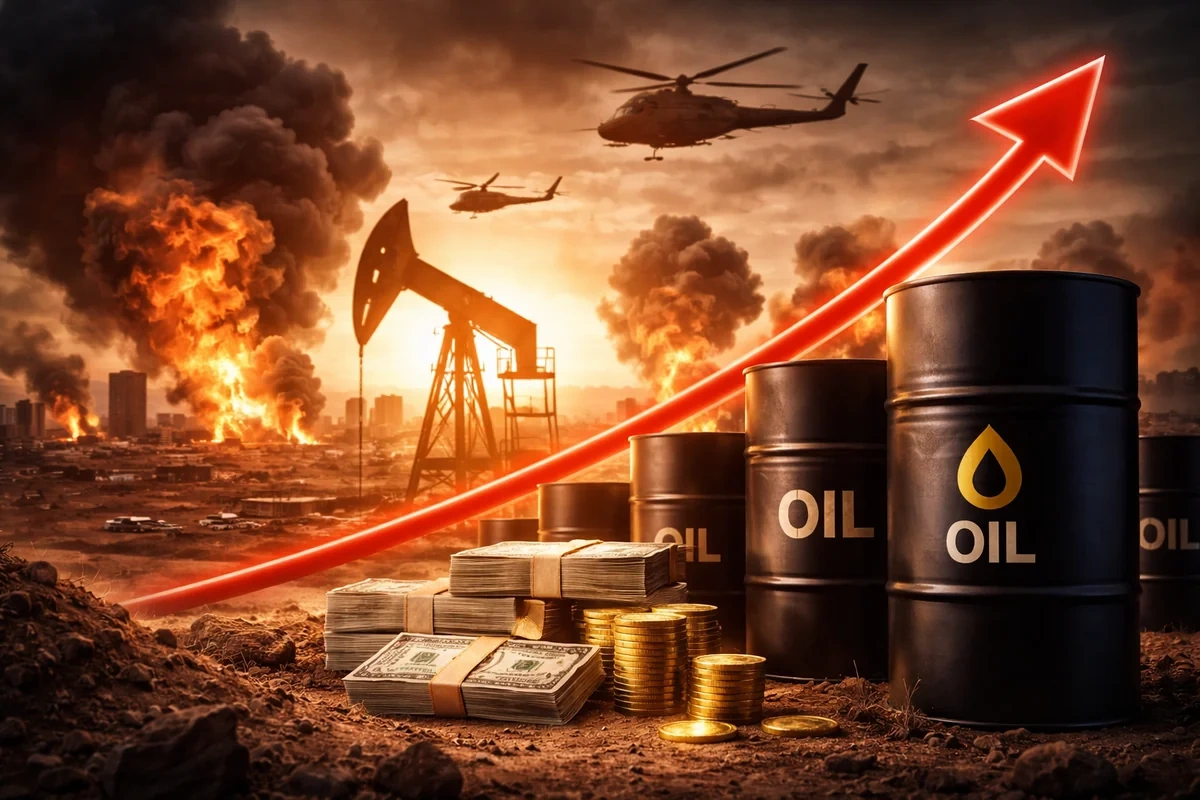
Rising oil prices, while increasing revenues for energy-exporting countries, simultaneously intensify challenges for the global macroeconomy. Naturally, this trend leads to a substantial increase in Azerbaijan's revenues from the sale of black gold on world markets.
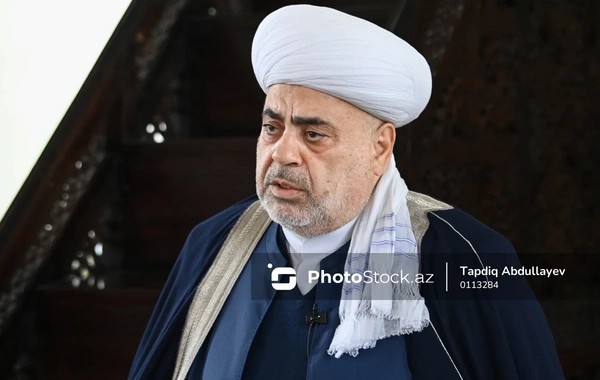
This opinion was shared on his social media page by parliamentarian and economics expert Vugar Bayramov.
Oil at $119: Will the Middle Eastern crisis increase Azerbaijan's revenues?
He emphasized that Brent benchmark crude prices have surged by nearly 20%, with one barrel now trading above $110.
"In fact, since the escalation of the Iran-Israel armed conflict, we have observed a 30-percent spike in oil prices. Such turbulence could not pass without consequences for global exchanges. The specter of a global recession has already caused Asian stock markets to begin this week with a serious index crash," the expert noted.
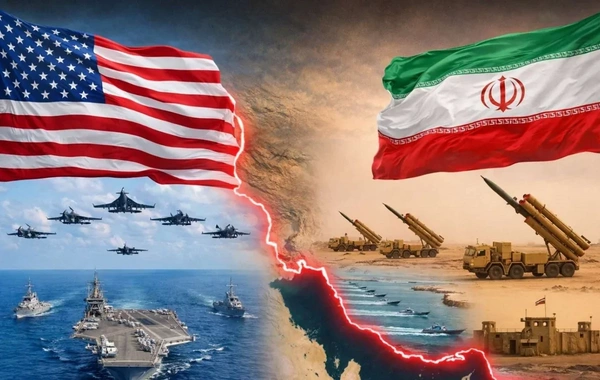
The President of the United States issued a statement that the oil rally is exclusively temporary in nature. In his view, prices will inevitably stabilize after the active phase of the conflict concludes. However, major capital remains skeptical: most investors do not foresee a sharp price drop in the short term. Commodity prices are being driven up not only by the logistics crisis in the Strait of Hormuz (through which approximately 20% of the world's daily hydrocarbon transit passes) but also by the general destabilization in the Middle East, accompanied by an actual decline in production. A noticeable drop in output is already being recorded in the Persian Gulf countries. Production in Iraq has plummeted by 60%, while Saudi Arabia, the United Arab Emirates, and Kuwait have been forced to cut production due to force majeure circumstances. Furthermore, the damage inflicted on the region's energy infrastructure rules out the possibility of a rapid recovery in volumes. Even the American government's intention to release additional volumes from strategic reserves amounting to approximately 300–400 million barrels is unlikely to fundamentally change the balance of power.
"It is obvious that the duration and geography of hostilities remain the main triggers determining the sentiment of exchange speculators. At the same time, one cannot disregard the colossal time and enormous financial investments that will be required for the postwar reconstruction of destroyed infrastructure," the economist reasons.
The expert concluded that current record prices are benefiting the budgets of exporting nations but are becoming a heavy burden on the global economy.
"For Azerbaijan, this means a direct inflow of additional petrodollars. According to statistical data, in 2025, the republic produced 27.7 million tons of oil including gas condensate. Average daily production of crude oil amounted to 460,000 barrels, and condensate to 111,000. The total volume reached 571,000 barrels per day. Meanwhile, exports last year exceeded 23.1 million tons.
In the draft state budget for 2026, the base price per barrel is set at $65. This refers, of course, to the annual average. However, the current extreme market volatility guarantees that Azerbaijan will receive significant windfall profits from hydrocarbon sales this year. This will ensure a powerful increase in state revenues and replenishment of strategic foreign currency reserves. Nevertheless, despite the temptation of easy money from short-term spikes, Azerbaijan, as a key guarantor of stability and initiator of a peace agenda in the region, is interested not in speculative waves but in long-term market equilibrium. On global strategic platforms, long-term balance should be determined by fundamental economic laws of supply and demand rather than political ambitions. But for now, unfortunately, on world markets geopolitics is dictating its harsh rules to economics," Bayramov wrote.

Similar News
Mikail Jabbarov: The opening of the Zangezur corridor will make a significant contribution to the faster development of Nakhchivan
The opening of the Zangezur corridor contributes to the growth of Nakhchivan's economic potential. As reported by Oxu.Az, this was stated by Minister of Economy...