

 Azərbaycanca
  По-русски
  English
 About us
Volcanic eruption could have caused the bubonic plague epidemic in Europe
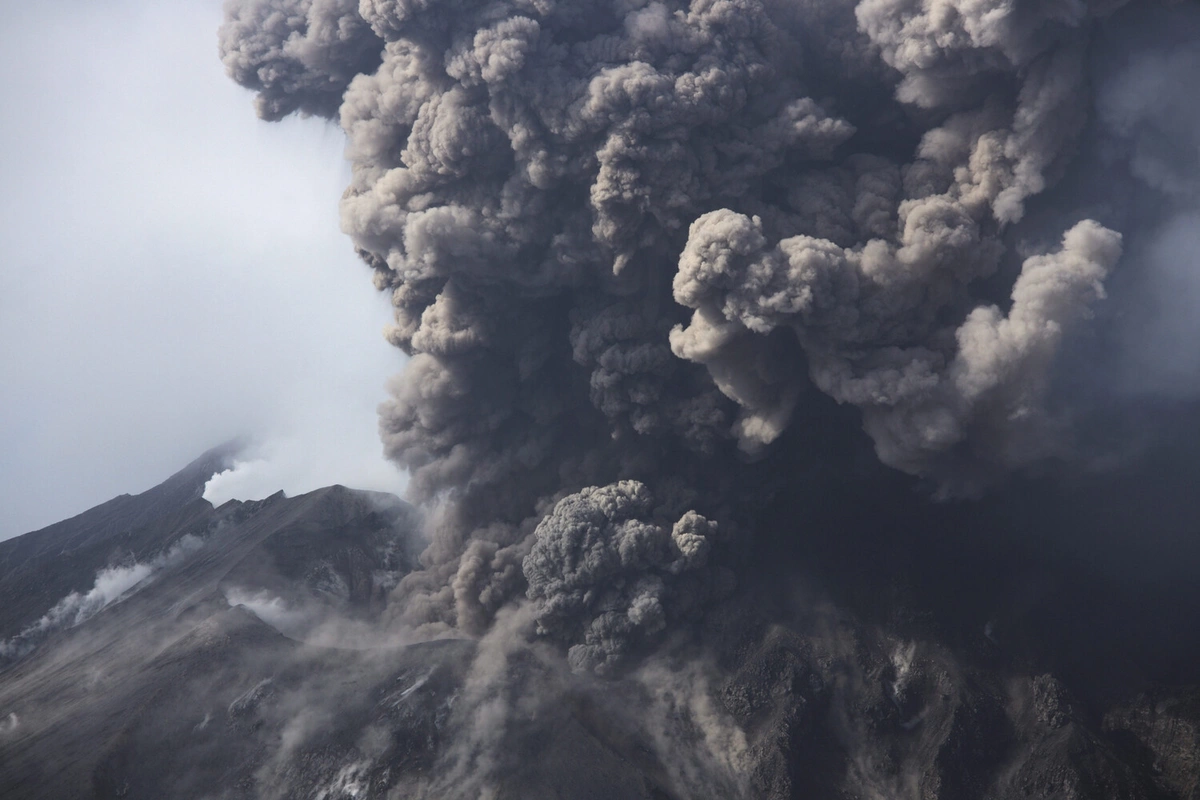
An international group of researchers concluded that a major volcanic eruption in the mid-14th century could have been the trigger for the spread of bubonic plague or Black Death in Europe. The work was published in the journal Communication Earth & Environment (CEE).
According to scientists, the eruption caused a temporary but significant cooling in the Mediterranean. The climate shock led to a sharp decline in crop yields, and states in the region began to import grain en masse to avoid famine. It was on these trading ships, the authors believe, that the plague bacterium Yersinia pestis arrived in Europe - along with fleas that hid in the grain.
The Black Death - the first wave of the second plague pandemic in history - claimed the lives of tens of percent of Europe's population in 1347-1353. However, the reasons for such a rapid appearance of the disease in European ports at this particular time still remain the subject of scientific debate.
Researchers from Cambridge and the Leibniz Institute for the History and Culture of Eastern Europe combined climatic, archaeological, and historical data. Chronicles of that time describe diminished sunlight, thick cloud cover, and an unusually dark lunar eclipse - signs of a powerful release of volcanic aerosols. High concentrations of sulfur in ice cores indicate a large tropical eruption around 1345, which led to a "volcanic winter" and a series of cold and wet seasons.
Archives record a decline in harvests in Italy, after which Venice and Sicily sharply increased grain imports from Black Sea ports. According to the authors, it was these shipments that brought the plague to Europe: a few weeks after the arrival of the ships, the first cases of the disease were registered in Venice.
Scientists emphasize that the pandemic was the result of a combination of a rare climate shock and long-term trade connections. Understanding such interactions is important for developing strategies to prevent future epidemics against the backdrop of global climate change.
Similar News

Donald Trump: A military operation in Iran could extend beyond 4-5 weeks
The US and Israeli military operation in Iran may last longer than the planned 4-5 weeks. Combat operations will continue for as long as necessary, As reported...