

 Azərbaycanca
  По-русски
  English
 About us
Truce with Disagreements: Why Do the US and Iran Assess the Outcomes Differently?
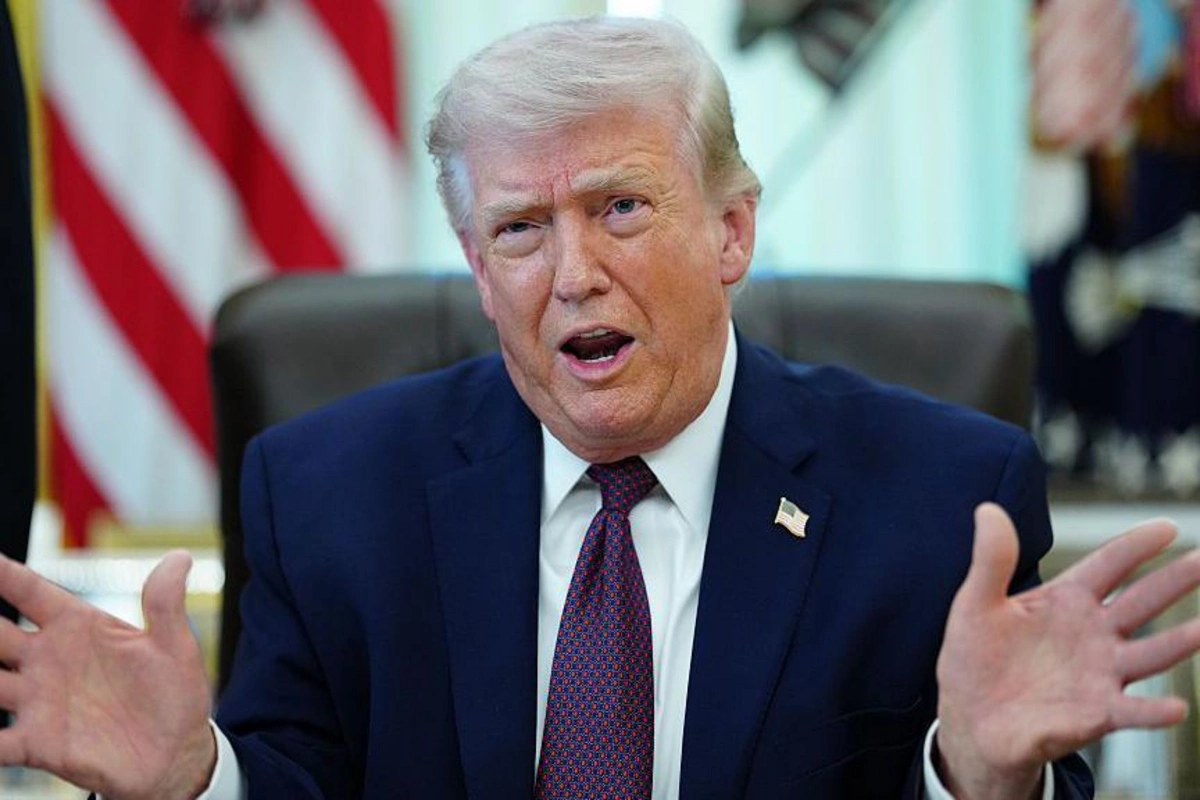
Commenting on the two-week ceasefire agreement reached with Iran, US President Donald Trump stated that the US had achieved a "complete and total victory." In turn, Iran's Supreme National Security Council also issued a statement about its victory over the US.
As reported by BAKU.WS, this was stated in a video material by Baku TV.
Following this, Iran's Foreign Minister Abbas Araghchi posted on social media the conditions under which the ceasefire was reached. Donald Trump published Araghchi's statement on his Truth Social account.
However, there are serious discrepancies between the Iranian Foreign Minister's message and the statement of the Supreme National Security Council. This is precisely what provoked Trump's displeasure, as he sharply reacted to Tehran's claims of "victory." A logical question arises: which side actually won?
As is known, in wartime conditions, each side typically presents its achievements as a victory - otherwise it could cause a decline in morale among the population. Moreover, this is a traditional way to counter internal opposition forces.
If we consider the situation from Iran's perspective, questions arise: what happened in the war with the US that led to the agreement? Was Iran unable to continue the fight, or did it manage to convince the US on some issue?

Similar News

Azerbaijani billionaire acquired a major hotel in Russia
In Saint Petersburg (Russia), the new owner of JSC "Nikolskie Ryady" has become structures affiliated with Azerbaijani billionaire Asabil Gasymov (owner of the...