

 Azərbaycanca
  По-русски
  English
 About us
# Hidden Impact of Post-COVID Syndrome on Brain Function Revealed

Scientists from the Central Institute of Mental Health in Mannheim have concluded that people with post-COVID syndrome experience disruptions in energy metabolism processes in the brain. This concerns patients who, after recovering from COVID-19, complain of so-called "brain fog," concentration problems, and slowed thinking. They have been found to have changes in the balance of key energy molecules within brain cells.
As reported by BAKU.WS citing the journal Biological Psychiatry, during their work, specialists applied a rare technique - phosphorus magnetic resonance spectroscopy. This method allows direct assessment of ATP levels, the main energy source for cells, as well as phosphocreatine, which serves as a short-term energy reserve. The study involved 27 people with post-COVID syndrome and 23 volunteers who had fully recovered from coronavirus infection. All participants additionally underwent a series of cognitive tests.
The obtained data showed that patients with post-COVID syndrome have a reduced ATP to phosphocreatine ratio, especially in the cingulate cortex region of the brain, which is responsible for attention, thinking, and planning. The lower this indicator was, the worse the subjects performed on cognitive function tasks. Scientists also identified similar changes in people with a combination of post-COVID syndrome and ME/CFS, which may point to common biological mechanisms. The authors emphasize that this concerns an identified association rather than a direct cause of symptoms; however, the results may become an important foundation for more accurate diagnosis and the development of new approaches to treating cognitive impairments following COVID-19.


Similar News
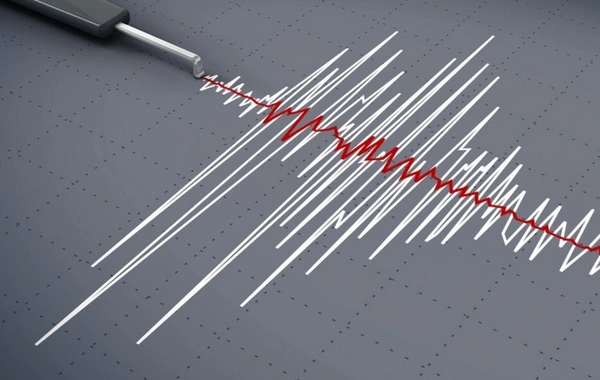
A strong earthquake has occurred in China
A 7.1 magnitude earthquake has been recorded in the Tibet Autonomous Region in western China. This was reported by the European-Mediterranean Seismological Cent...