


 Azərbaycanca
  По-русски
  English
 About us
Scientists have learned to control cholesterol activity using light
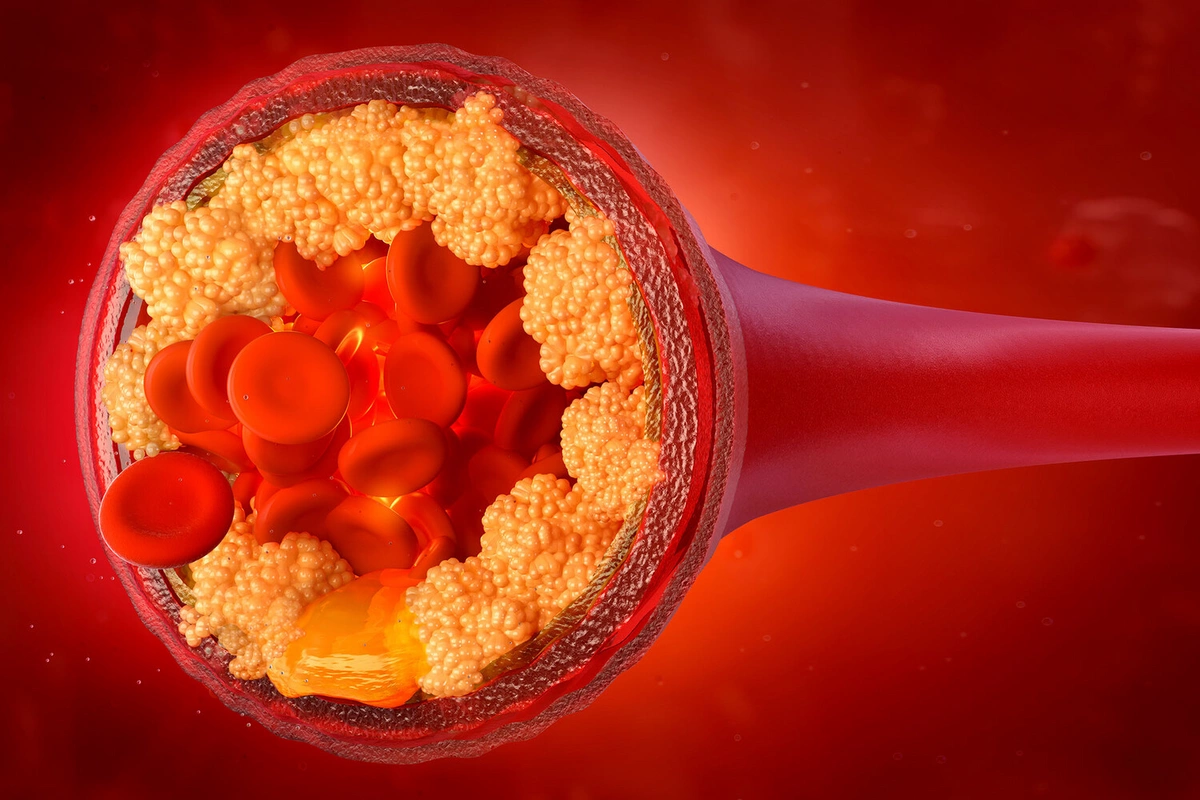
American chemists have developed molecules that allow controlling the biological activity of cholesterol using light. The work is published in the Journal of the American Chemical Society (JACS).
Cholesterol is often associated with cardiovascular diseases, but this molecule is vital for the body. It is a component of cell membranes and serves as a precursor for the synthesis of key hormones, including estrogen and testosterone. Despite this, many aspects of cholesterol behavior in the cell still remain poorly understood.
"Cholesterol participates in a huge number of processes that determine health and disease development, but due to its small size and chemical properties, it is extremely difficult to observe," explained Michael Zott, a postdoctoral researcher at the University of Pennsylvania and one of the authors of the study.
To overcome this limitation, scientists usually use so-called functional analogs - molecules that mimic cholesterol but are equipped with chemical "tags." In the new work, a team led by Dirk Trauner went further and created "photocholesterols" - cholesterol analogs with photosensitive fragments.
When exposed to light, such molecules change shape, which allows turning their biological activity on or off. This opens the way to so-called spatiotemporal control: a drug can be introduced into the body as a whole, but activated only in a specified area using a directed light beam.
"Some forms of light can penetrate deep enough into tissues," Trauner explained. "This allows activating the molecule in a strictly defined place and at a specific time, without affecting the entire organism."
According to Zott, the selectivity of these molecules makes it possible to create tools for the precise "switching on" and "switching off" of individual proteins, which in the future will help decode complex pathways of cholesterol transport in the cell.
In the future, the scientists plan to use light-controlled molecules for detailed mapping of cholesterol movement under normal and pathological conditions. In addition, a similar approach is intended to be applied to other lipids.
Similar News

Debunked: one of the main myths about testosterone
Scientists from the University of Gothenburg have established that fatigue and depression in men have no direct link to testosterone levels. The results of the...