

 Azərbaycanca
  По-русски
  English
 About us
WHO calls for structural changes in European countries to combat heat
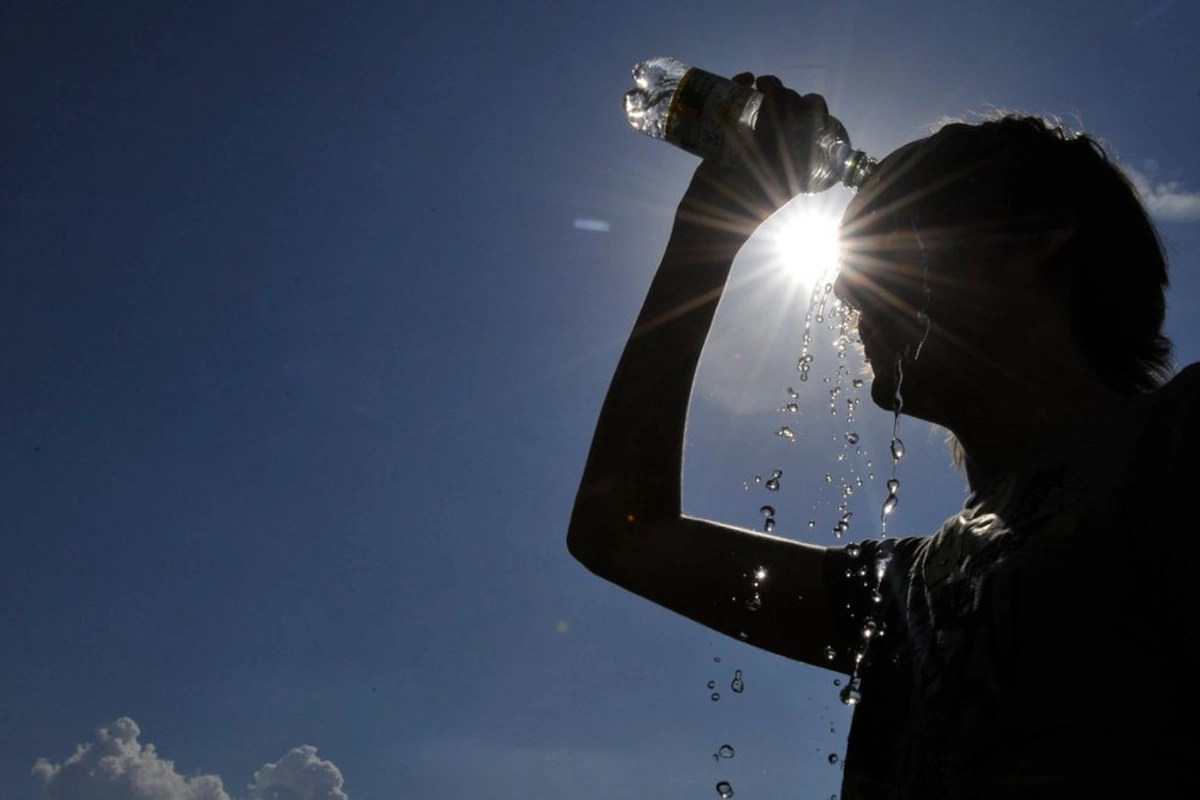
Healthcare systems in the World Health Organization (WHO) European Region are unable to restructure quickly enough in response to increasingly frequent episodes of abnormally high temperatures, while the economic damage from such delays continues to mount.
This statement was made by WHO Regional Director for Europe Hans Kluge in a comment to TASS.
"Healthcare systems are not adapting fast enough, and the economic costs associated with this lag are growing. Every euro not invested in preventive measures translates into rising costs for emergency medical care, inpatient treatment, and lost labor productivity," he noted, responding to a question about whether Europe is keeping pace with the new realities of a hotter climate.
Kluge also cited calculations by the international insurance group Allianz, according to which cumulative GDP losses from extreme heat could reach $240 billion in France, $147 billion in Italy, and $131 billion in Germany by 2030.
The WHO representative emphasized that sustainably overcoming the problem is impossible without structural reforms.
"To counteract the 'urban heat island' effect, communities need to increase the number of shaded areas, green spaces, and establish cooling centers," he explained.
In addition, Kluge drew attention to the need for building modernization to protect against overheating, as well as the need for ongoing adjustments to working conditions in light of the changing climate, not only during peak temperature periods.
The European Region is one of six WHO regions. It comprises 53 states in Europe and Central Asia, including Russia, Turkey, countries of the Caucasus region, Kazakhstan, Kyrgyzstan, and Tajikistan.

Similar News

Iran has suspended the fulfillment of obligations under the memorandum of understanding with the US
Iran has suspended the fulfillment of its obligations under the memorandum of understanding reached with the United States. As reported by Tasnim, this was anno...