

 Azərbaycanca
  По-русски
  English
 About us
# USA Resets Tariff Policy: What Will Change Starting February 24
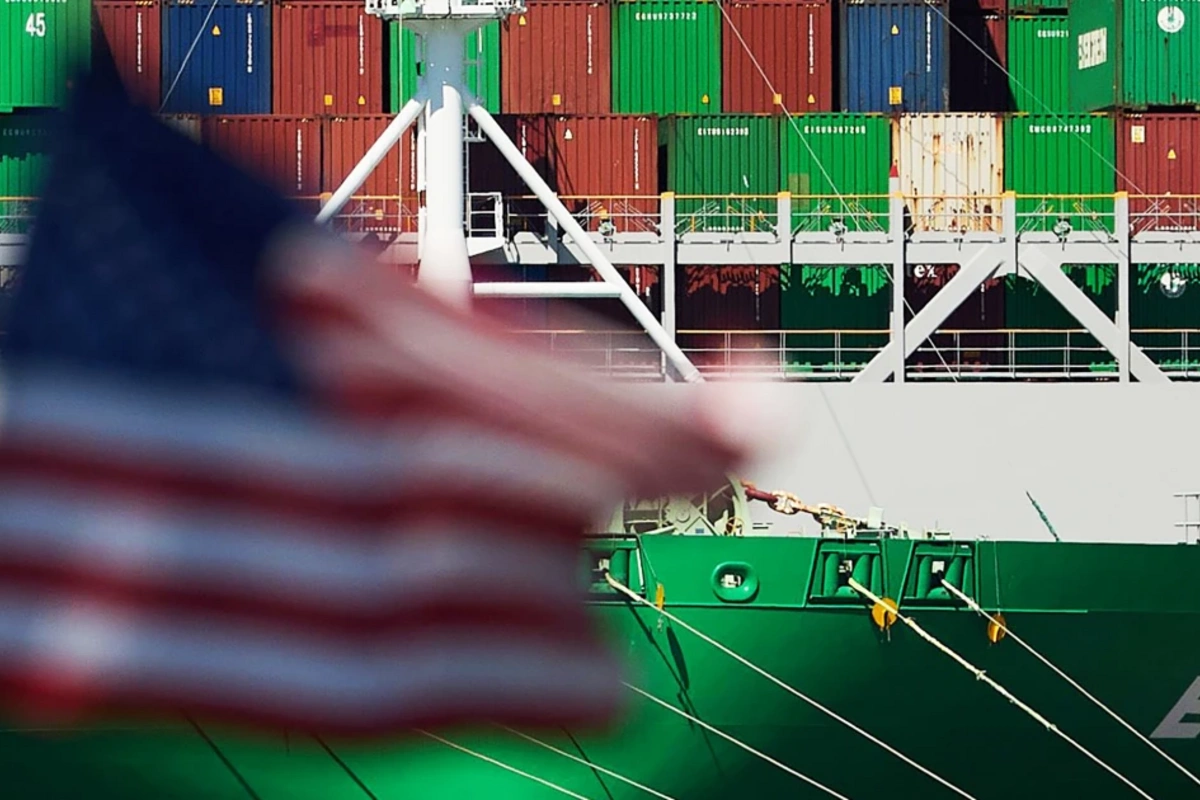
US President Donald Trump announced the signing of an executive order providing for the introduction of 10% tariffs on imports from all countries.
He posted the corresponding publication on February 20 on Truth Social.
According to the head of the White House, he "signed in the Oval Office [an order] on a global 10% tariff on all countries, which will take effect almost immediately."
The additional 10% tariff on imports to the US will take effect on February 24 and will be in effect for 150 days, the statement says.
It indicates that the additional tariff will not apply to US imports of certain critical minerals, energy carriers, natural resources, fertilizers not produced domestically, certain types of agricultural products, medicines, certain types of electronics, automobiles and other means of transportation, as well as products used in the aerospace industry. In addition, imports of national security-related products to the US, as well as goods whose import is provided for by the trilateral trade agreement between the US, Mexico, and Canada (USMCA), are exempt from the additional tariff.
The US has also canceled certain customs tariffs following a corresponding Supreme Court decision, according to a statement posted on February 20 on the White House website.
It indicates that tariffs introduced under the pretext of the emergency powers law are being terminated. In particular, this concerns tariffs introduced by the US in April 2025 on products from 185 countries and territories. Additionally, tariffs introduced against China, Mexico, and Canada under the pretext of combating illegal migration and drug smuggling are being terminated, as well as those against countries that purchased oil or gas from Venezuela. Furthermore, the executive order under which the US in August 2025 introduced additional 25% tariffs against India in connection with its purchase of Russian oil has been terminated. These tariffs were terminated on February 7. Also terminated are executive orders under which the US could introduce tariffs against countries supplying oil to Cuba, as well as countries importing goods or services from Iran.
The corresponding executive orders "should no longer be in effect," and the collection of tariffs provided for by them "should be terminated as soon as possible," the document notes.
The US Supreme Court ruled that the American administration exceeded its authority by introducing import tariffs against other countries under the pretext of the International Emergency Economic Powers Act (IEEPA). At the same time, the highest judicial authority did not clarify whether the US should return the money previously paid to it as tariffs.
On April 2, 2025, the American leader announced the introduction of customs tariffs on products from 185 countries and territories. Later, he changed the tariff rate on imports of goods from some countries. On August 29, the Court of Appeals in the District of Columbia ruled that the head of state did not possess the necessary authority to introduce many of the tariffs he announced. On September 4, the American administration appealed to the Supreme Court with a request to overturn the mentioned ruling.
Similar News
Another country has urged its citizens to leave Iran "as soon as possible"
The Serbian Ministry of Foreign Affairs has urged citizens of the republic who are in Iran to leave the country. "Due to rising tensions and the risk of deterio...